

 English
 English
 Español
- Type:
- Industry News
- Date
- 2026-Oct-09
Industry News
What Should Buyers Check Before Choosing a Cotton Quilt?
Cotton quilts continue to attract attention from buyers who want bedding that feels comfortable without becoming excessively heavy or complicated to maintain. Yet choosing the right quilt involves more than checking the fabric label. For retailers, hospitality buyers, and bedding distributors, factors such as cotton quality, filling, quilting construction, breathability, washing requirements, and size consistency can directly influence customer satisfaction. When evaluating Cotton Quilts For Sale, understanding how these details affect actual use makes purchasing decisions much more practical.
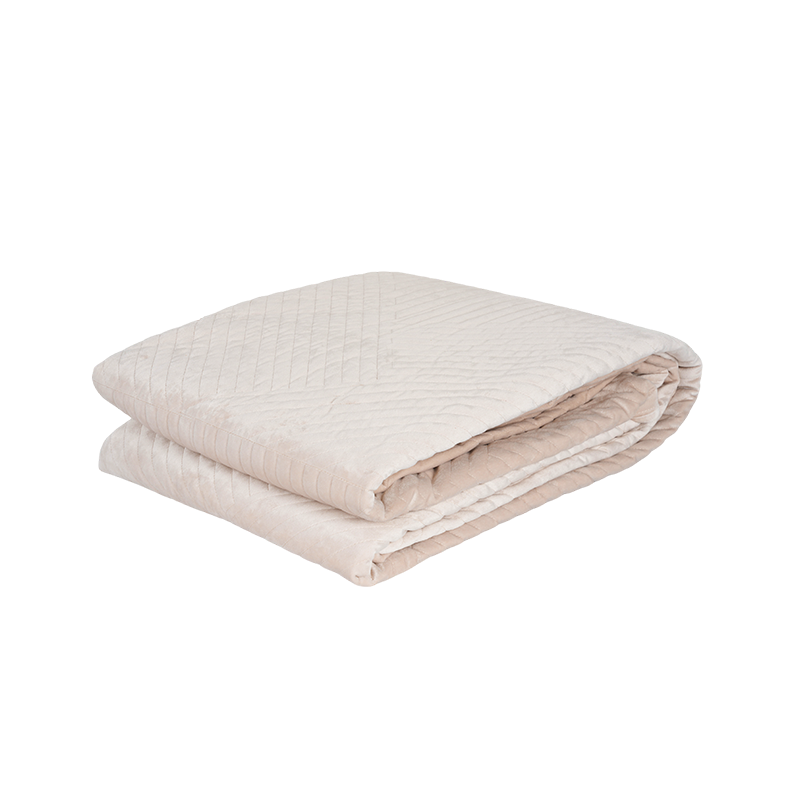
Look Beyond the Cotton Label
Not every cotton quilt delivers the same sleeping experience. The quality of the outer fabric, the type of cotton used, and the way the layers are assembled can all affect softness, airflow, durability, and appearance.
From a manufacturer's perspective, we recommend looking at the complete construction instead of relying on a single material description. A buyer should consider the shell fabric, filling, stitching method, edge finishing, and overall weight together. These details provide a clearer picture of how the quilt may perform after repeated use and washing.
Choose Filling According to the Intended Use
The filling affects both warmth and weight. Cotton-filled quilts are generally associated with a lighter, breathable feel, making them suitable for warmer climates or customers who prefer less bulky bedding. Other filling options may provide different levels of insulation and loft.
For buyers serving different markets, it is useful to match filling selection with the expected sleeping environment rather than treating one construction as suitable for every season. A lightweight quilt may work well as a standalone summer layer, while a thicker construction can be combined with other bedding during colder periods.
Breathability Matters for Everyday Comfort
Temperature regulation has become an important consideration in bedding selection, particularly for people who tend to sleep warm. Cotton is naturally breathable, and lightweight cotton quilts can allow air to circulate more easily than heavily insulated bedding. Current bedding discussions continue to highlight cotton and other natural fibers for warm-weather comfort.
For manufacturers, fabric density and quilt construction need to be considered together. Simply increasing fabric weight does not necessarily create a better product. The goal is to achieve an appropriate balance between hand feel, structure, airflow, and intended seasonal use.
Pay Attention to Quilting and Stitch Density
The quilting pattern does more than create visual appeal. Stitching helps keep the filling distributed across the quilt and contributes to the product's overall structure. Uneven stitching or poorly finished seams can become more noticeable after repeated laundering.
When evaluating a supplier, buyers should inspect:
- Stitch consistency across the main quilted areas
- Edge and corner finishing
- Filling distribution
- Seam strength around stress points
- Surface appearance after washing
These manufacturing details can have a direct effect on how the quilt looks and feels over time.
Make Care Requirements Clear Before Ordering
Ease of care is an important part of product selection, especially for retailers and hospitality customers. Different cotton fabrics, fillings, and quilting constructions can have different washing requirements. Care instructions should therefore be based on the actual finished product rather than a generic recommendation.
For machine-washable constructions, buyers should confirm the recommended water temperature, washing cycle, drying method, and detergent requirements. Proper care can help reduce unnecessary wear on fabric, seams, and filling.
Consistency Matters in Bulk Purchasing
For wholesale buyers, receiving a visually attractive sample is only the first step. Production consistency is equally important when multiple batches are expected. Differences in fabric shade, dimensions, stitching, filling distribution, or finishing can create problems when products are sold as part of the same collection.
A reliable manufacturing process should therefore include material inspection, dimensional checks, stitching inspection, and finished-product assessment before shipment. Clear specifications established before production also make communication easier between the buyer and factory.
Design Should Support Both Comfort and Market Demand
Current bedding preferences show growing interest in texture, natural materials, relaxed styling, and breathable layers rather than overly complicated bedroom arrangements. This creates opportunities for buyers to select cotton quilts that combine practical comfort with adaptable design.
For manufacturers, the most useful approach is to develop the product around its intended market, season, fabric preference, size requirements, and care expectations. For buyers comparing Cotton Quilts For Sale, examining material, construction, filling, finishing, and production consistency together can lead to a more dependable purchasing decision and a product that performs well beyond its first impression.
Related Products
-
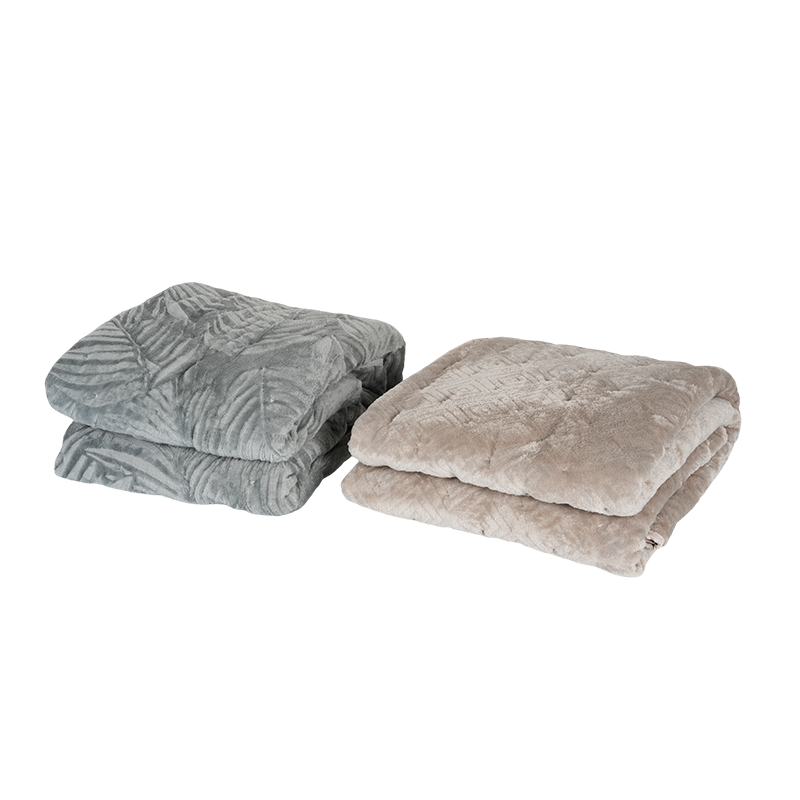
Durable Fluffy-and-warm Quilt
Crafted with meticulous attention to detail, our Durable Fluffy-and-Warm Quit redefines cozy comfort for any season. Whether you’re seeking a soft r...
View More -
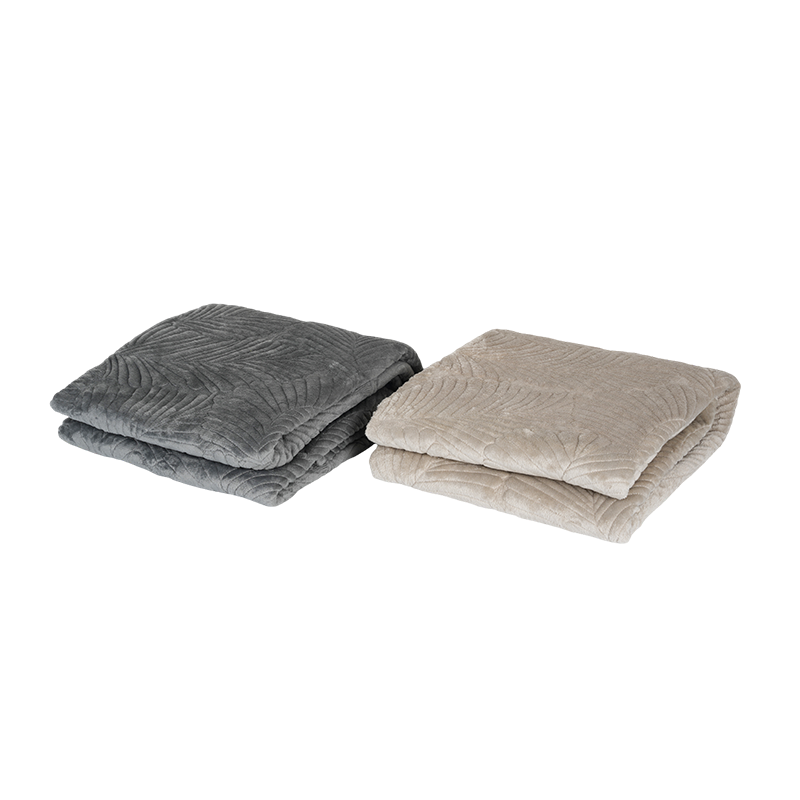
Comfortable Cottony-soft Quilt
Crafted with a focus on comfort and style, our Comfortable Cottony-soft Quilt redefines cozy relaxation for any setting. Whether you’re seeking a to...
View More -
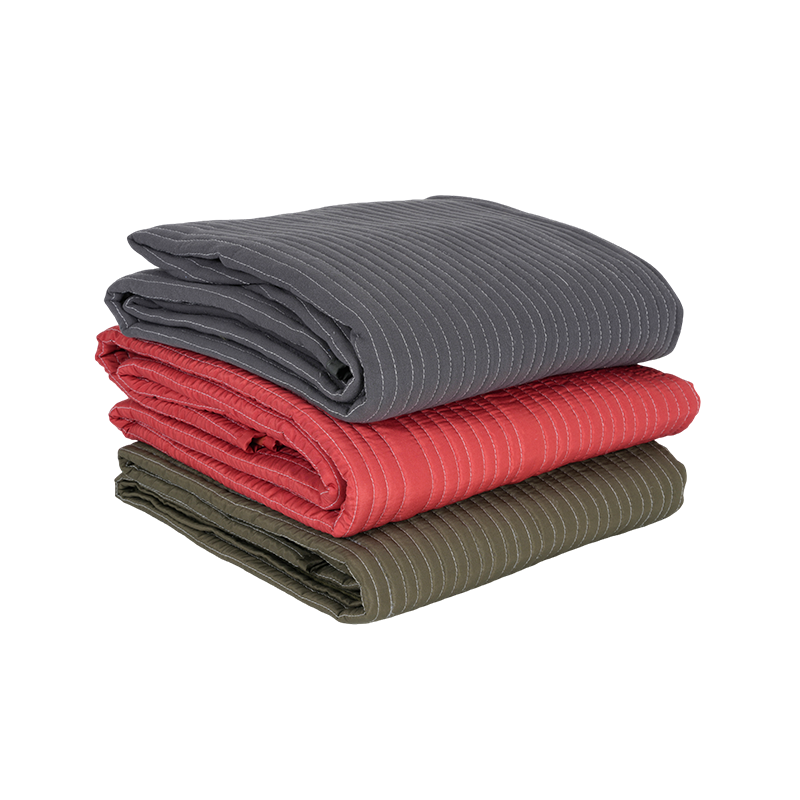
Breathable Colorfully-vivid Quilt
Crafted to elevate your relaxation experience, the Breathable Colorfully-vivid Quilt combines innovative textile technology with a vibrant palette, in...
View More -
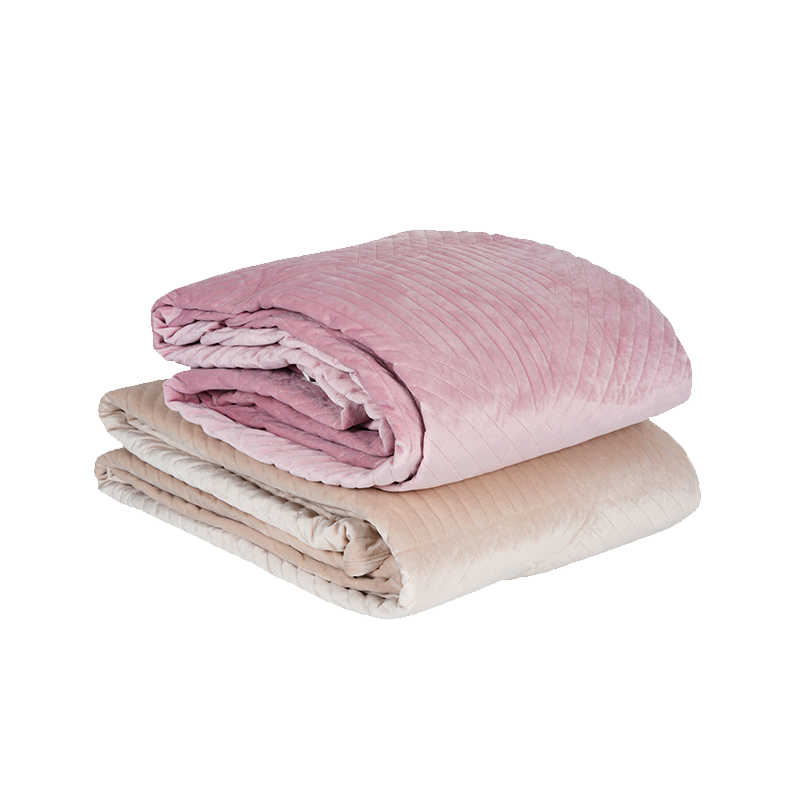
Fluffy Striped-distinct Quilt
Crafted to elevate your relaxation sanctuary, the Fluffy Striped-distinct Quilt redefines cozy sophistication with its tactile allure and timeless des...
View More -
Rustic Warmly-pleasant Quilt
Crafted to embrace the essence of cozy simplicity, our Rustic Warmly-pleasant Quilt is a timeless addition to any home. This quilt combines the rustic...
View More -
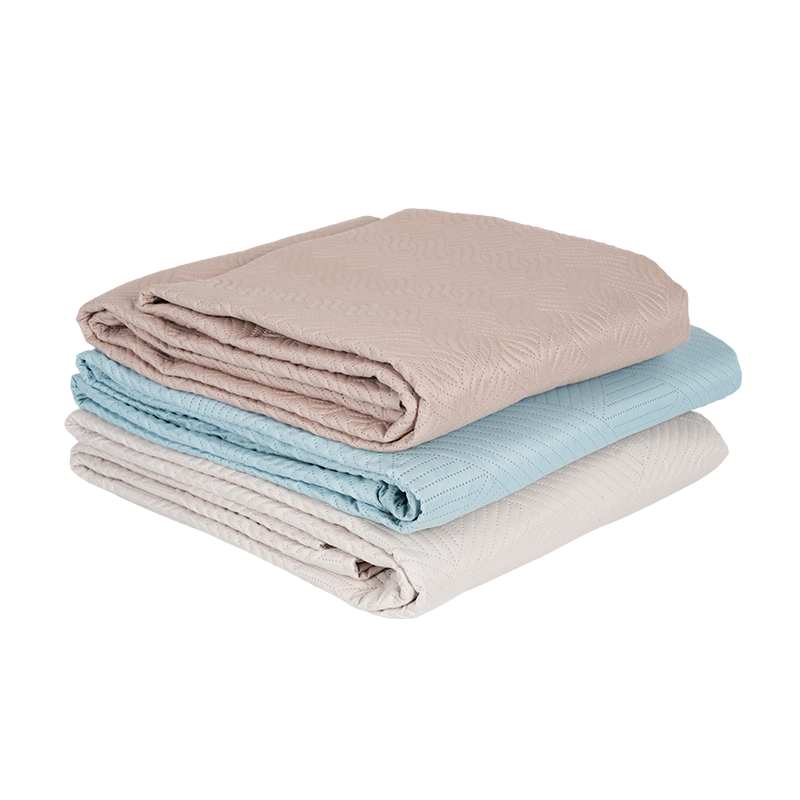
Plain Silky-smooth Quilt
Crafted with meticulous attention to detail, our Plain Silky-smooth Quilt redefines cozy living through its seamless blend of simplicity and sophistic...
View More -
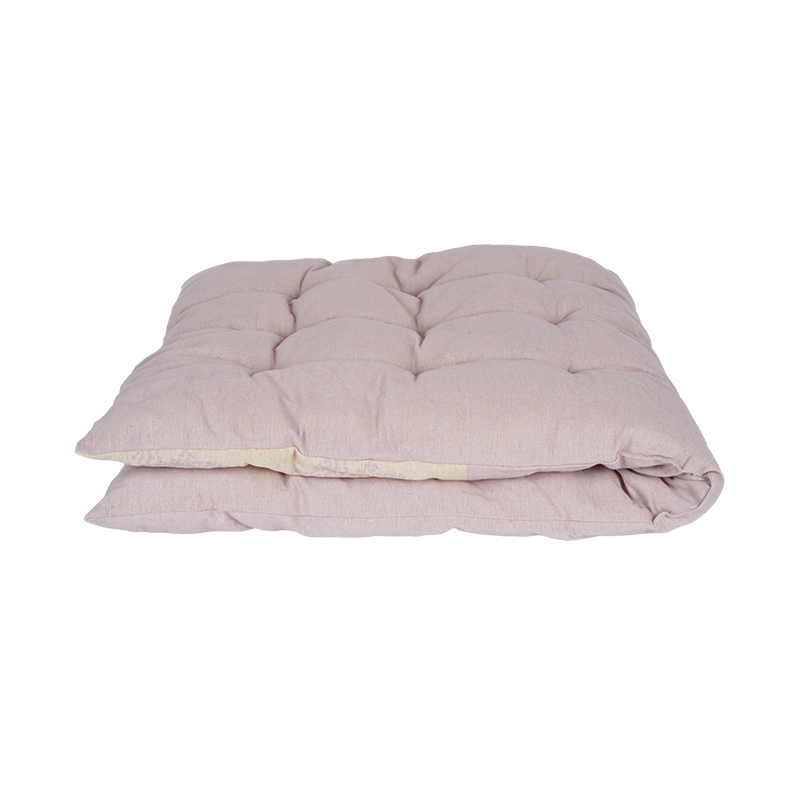
Thick Cozily-soft Quilt
Crafted to elevate your downtime, the Thick Cozily-soft Quilt is a sanctuary of texture and tranquility. This luxurious piece combines tactile indulge...
View More -
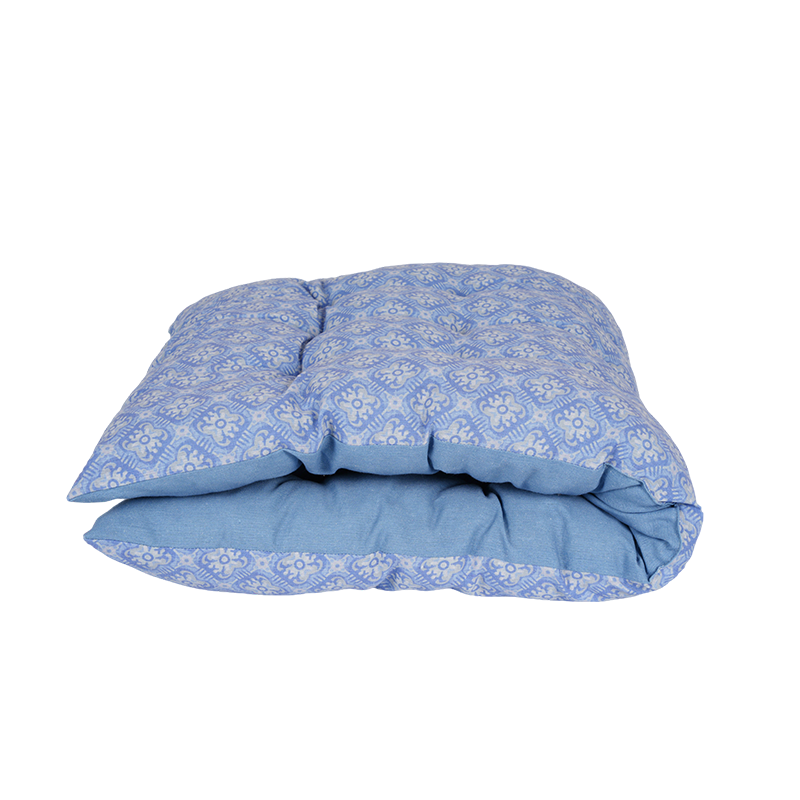
Printed Patterned-intricate Quilt
Crafted with meticulous attention to detail, our Printed Patterned Intricate Quilt combines timeless elegance with modern comfort, making it a good ad...
View More

Copyright © Pujiang County Dongxing Home Textile Crafts Co., Ltd. All Rights Reserved.

Information
-

Phone: +86 189-6797-5628
-

E-mail: [email protected]
-
 Address: No. 388, Jinlei Avenue, Pujiang County, Jinhua City, Zhejiang Province, China
Links
Contact Us
