

 English
 English
 Español
- Type:
- Industry News
- Date
- 2026-Oct-16
Industry News
Home / News / Industry News / What Should Wholesale Buyers Check Before Ordering Cotton Quilts in Bulk?
Bulk bedding orders can look straightforward until differences appear between the approved sample and the finished shipment. For retailers, hospitality suppliers, and importers, small variations in size, filling distribution, stitching, fabric shade, or shrinkage can create problems after the products reach the market. When evaluating Cotton Quilts For Sale, buyers should therefore look beyond appearance and examine how the product is constructed, inspected, packed, and prepared for repeated use.
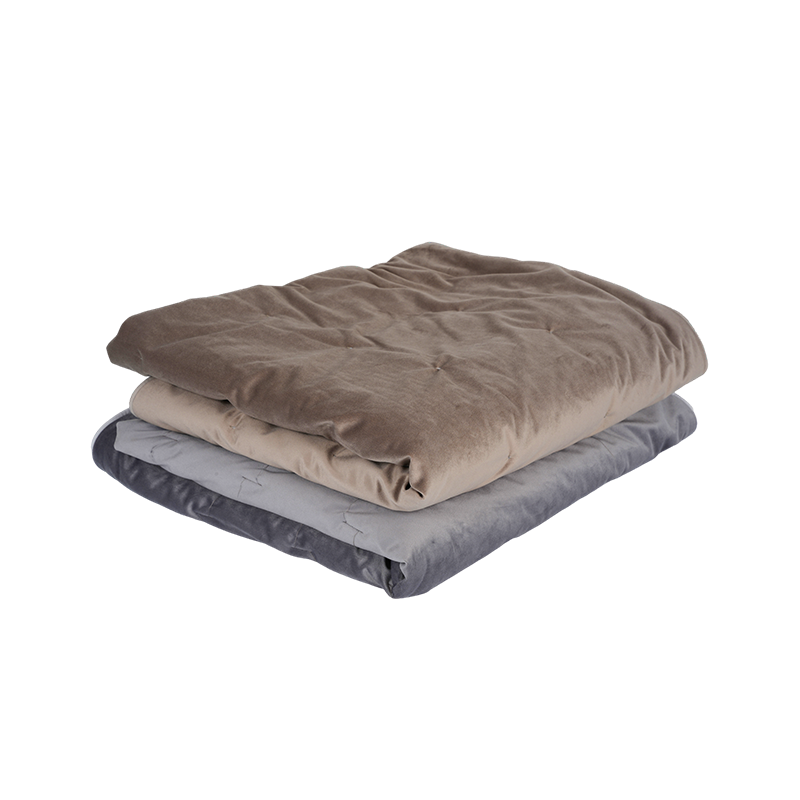
Quilt sizing needs more attention than simply matching a standard bed size. Different markets can use different mattress dimensions, and buyers may also want additional overhang at the sides of the bed. A few centimeters of variation can become noticeable when the quilt is displayed on a finished bed.
From a manufacturing perspective, the finished dimensions should be confirmed before cutting fabric and beginning bulk production. Buyers should clearly specify the intended size, allowable tolerance, edge construction, and whether the measurement is taken before or after washing. This creates a practical reference for both the factory and the purchasing team.
A quilt can have the correct overall weight while still feeling inconsistent if the filling is not distributed evenly. Thin areas may feel different from thicker sections, while excessive filling in one area can affect the quilt's drape and appearance.
The quilting structure plays an important role here. Stitching needs to keep the filling positioned during normal use and laundering without making the surface unnecessarily rigid. For wholesale buyers, checking several areas of a production sample can reveal more than inspecting the center of the quilt alone.
Cotton remains popular in bedding because it can provide a soft hand feel and good breathability. Current bedding coverage continues to emphasize lightweight, breathable materials for warmer sleeping conditions, with cotton among the commonly discussed options.
However, fabric selection should also consider washing, shrinkage, surface texture, color requirements, and the intended retail position. A manufacturer should evaluate the outer fabric together with the filling and quilting method rather than treating the shell material as an isolated specification.
A quilt may look correct when it leaves the production line but change after washing. Fabric shrinkage, filling movement, seam performance, and surface appearance all need to be considered when developing a washable cotton quilt.
For buyers, it is useful to establish the care method before finalizing the product. If the target customer expects machine washing, the construction should be assessed with that use in mind. Care instructions should also match the actual materials and manufacturing process rather than being copied from another product.
Decorative quilting patterns can make a product visually distinctive, but functional stitching deserves equal attention. Loose threads, inconsistent stitch lines, poorly finished corners, or weak edge seams can affect the product during handling and repeated use.
A practical inspection should cover:
These checks are especially useful when a buyer is developing a private-label bedding collection and expects multiple production batches to maintain the same appearance.
For wholesale bedding, consistency can be just as important as the initial sample. Retailers often need several colors or sizes within one collection, so noticeable differences between production batches can complicate inventory management and product presentation.
Manufacturers can reduce this risk by confirming fabric references, color standards, construction details, packaging requirements, and inspection procedures before production. Clear specifications also make it easier to identify whether a variation comes from the fabric, finishing process, or production conditions.
A successful bulk order should perform beyond the warehouse inspection. Buyers should consider how the quilt will be displayed, packaged, washed, stored, and used by the final customer. Lightweight cotton constructions are particularly relevant to markets where consumers want flexible bedding that can be layered according to seasonal conditions. The Sleep Foundation also notes that cotton quilts can provide a lighter alternative to heavier bedding and can be layered when temperatures change.
For manufacturers, this means product development should connect material selection with construction, inspection, packaging, and intended use. For buyers comparing Cotton Quilts For Sale, checking these details before placing a bulk order can reduce avoidable quality issues and create a more consistent product line for the market.
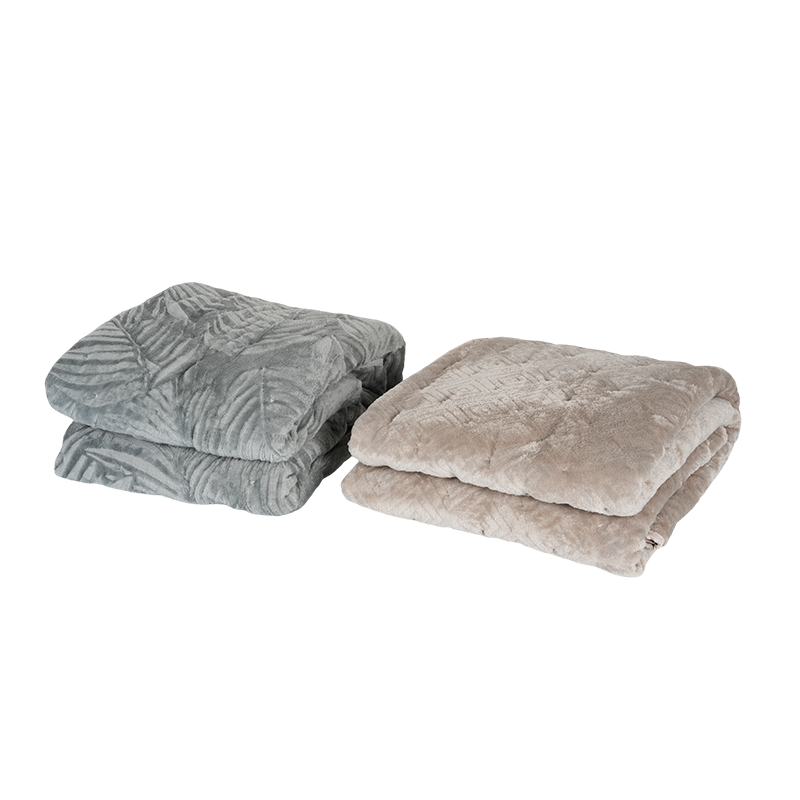
Crafted with meticulous attention to detail, our Durable Fluffy-and-Warm Quit redefines cozy comfort for any season. Whether you’re seeking a soft r...
View More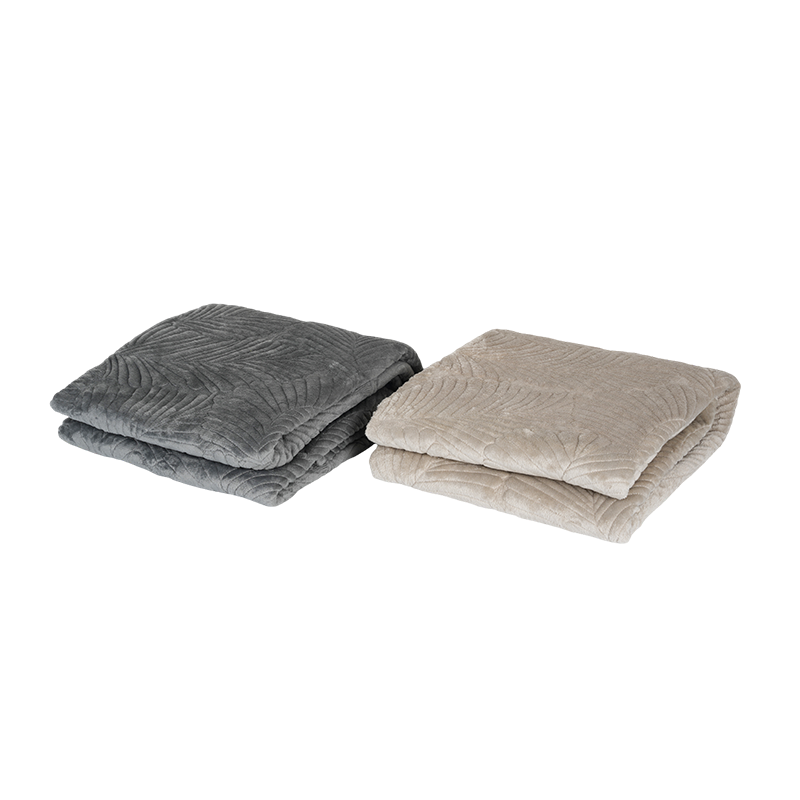
Crafted with a focus on comfort and style, our Comfortable Cottony-soft Quilt redefines cozy relaxation for any setting. Whether you’re seeking a to...
View More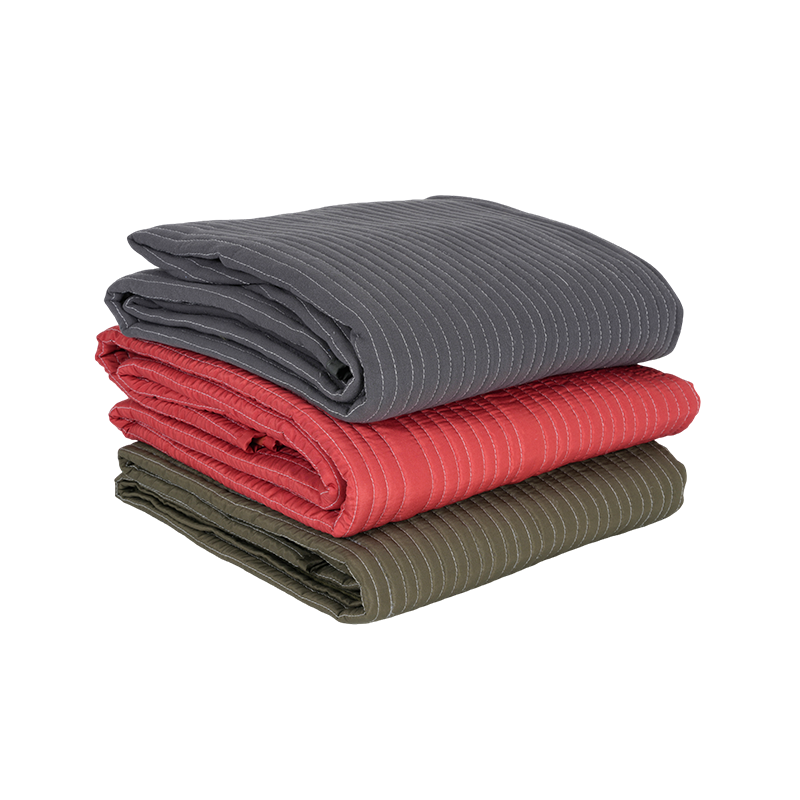
Crafted to elevate your relaxation experience, the Breathable Colorfully-vivid Quilt combines innovative textile technology with a vibrant palette, in...
View More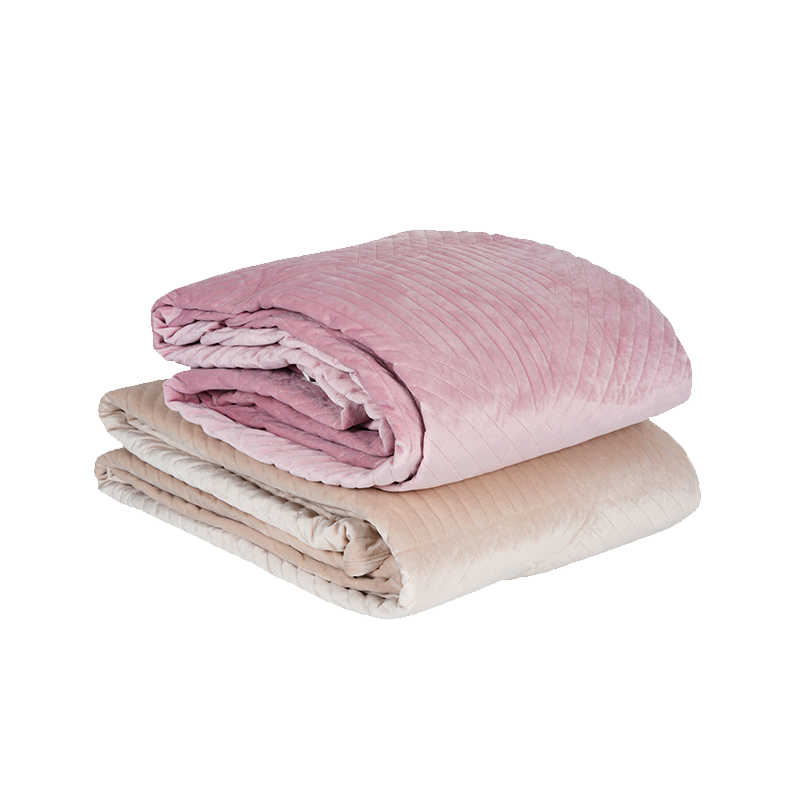
Crafted to elevate your relaxation sanctuary, the Fluffy Striped-distinct Quilt redefines cozy sophistication with its tactile allure and timeless des...
View More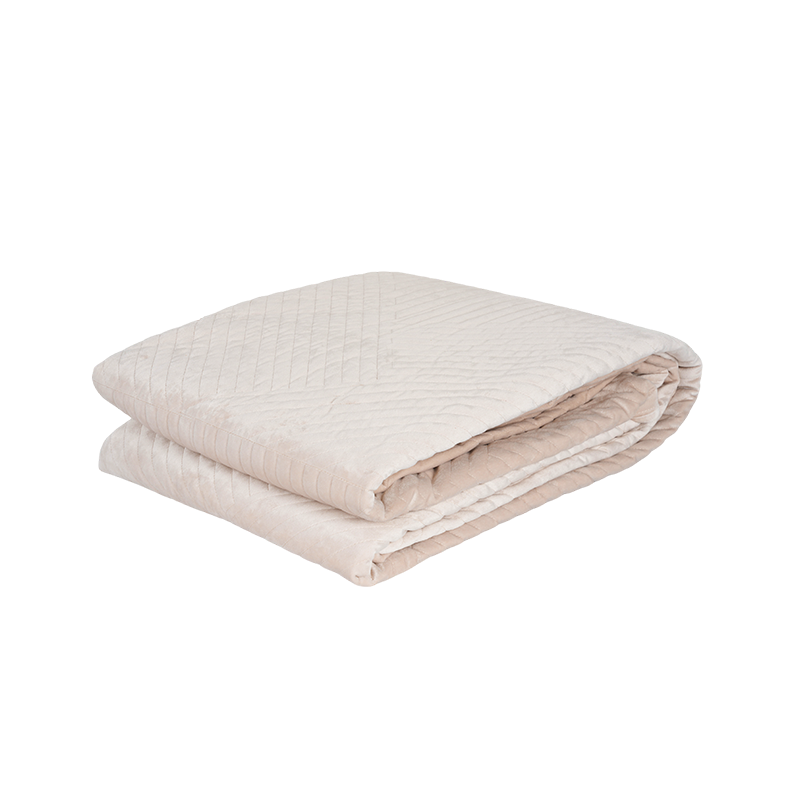
Crafted to embrace the essence of cozy simplicity, our Rustic Warmly-pleasant Quilt is a timeless addition to any home. This quilt combines the rustic...
View More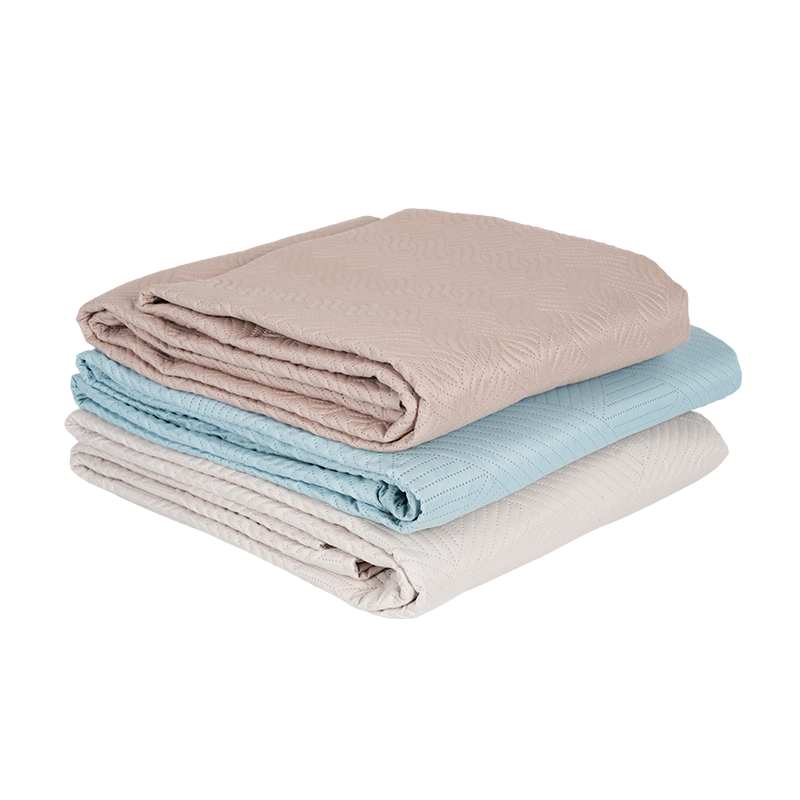
Crafted with meticulous attention to detail, our Plain Silky-smooth Quilt redefines cozy living through its seamless blend of simplicity and sophistic...
View More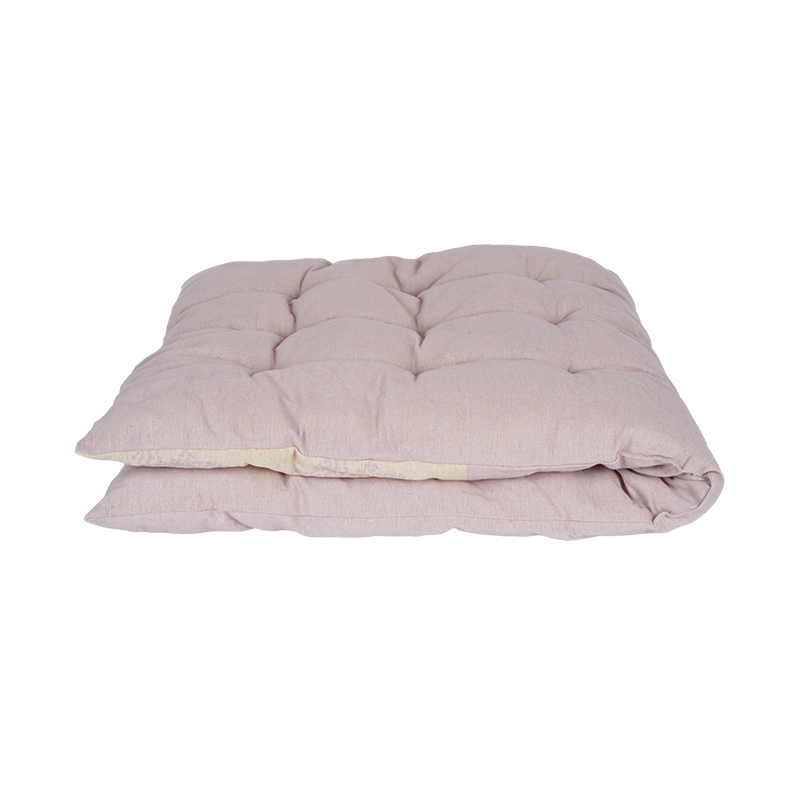
Crafted to elevate your downtime, the Thick Cozily-soft Quilt is a sanctuary of texture and tranquility. This luxurious piece combines tactile indulge...
View More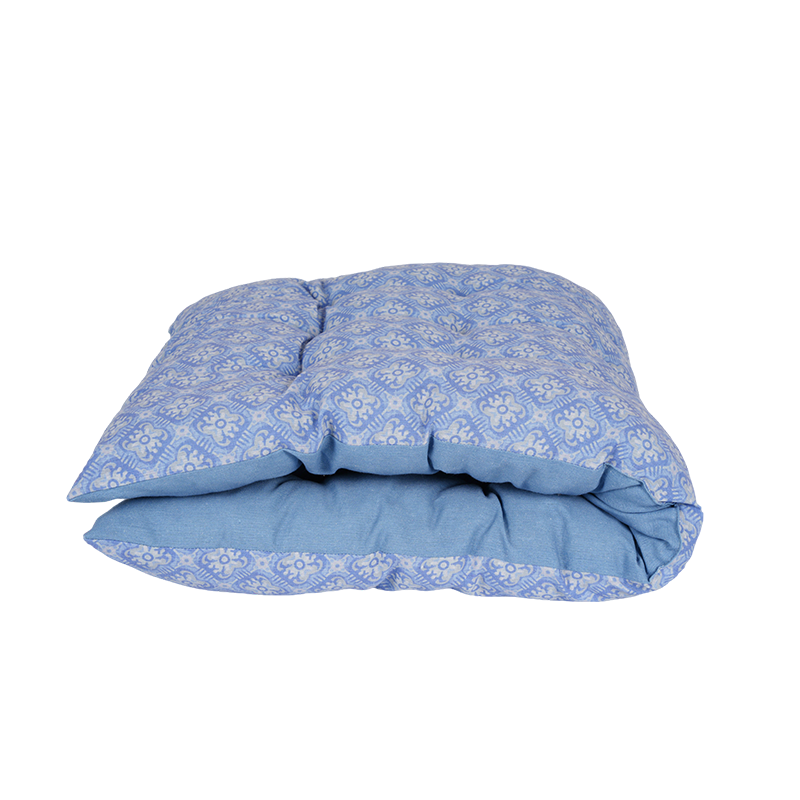
Crafted with meticulous attention to detail, our Printed Patterned Intricate Quilt combines timeless elegance with modern comfort, making it a good ad...
View More
Copyright © Pujiang County Dongxing Home Textile Crafts Co., Ltd. All Rights Reserved.


Phone: +86 189-6797-5628

E-mail: [email protected]

