

 English
 English
 Español
- Type:
- Industry News
- Date
- 2026-Oct-02
Industry News
Home / News / Industry News / How Can Cotton Quilts Meet the Demand for Lighter, More Comfortable Bedding?
Bedding buyers are paying closer attention to how a quilt feels during everyday use, especially when choosing products for changing seasons, warmer climates, or layered bedroom styling. Recent bedding coverage has highlighted renewed interest in lightweight quilts, natural fibers, reversible designs, and more layered bedroom interiors. For retailers and hospitality buyers, this creates a practical sourcing question: how can Cotton Quilts For Sale combine comfortable materials, useful weight, attractive design, and dependable manufacturing without becoming difficult to manage as a product line?
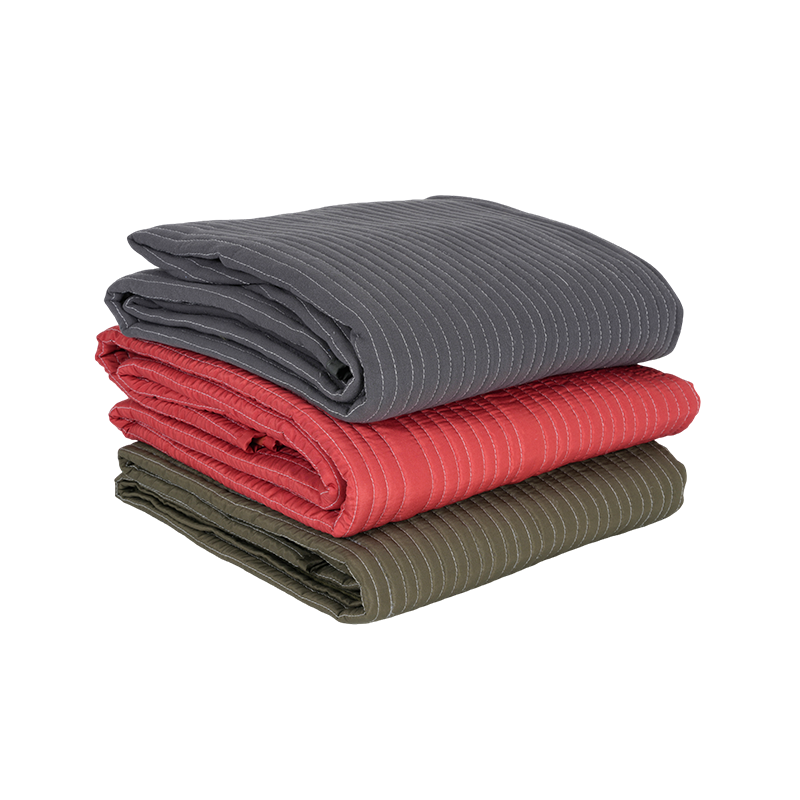
A quilt does not always need to provide the bulk associated with a heavy comforter. For many users, a lighter construction can provide greater flexibility because the quilt can be used alone in warmer weather or combined with another layer when temperatures drop.
Cotton is frequently considered for this type of application because its natural fiber structure can support breathability and a lighter hand feel. Current bedding guidance also identifies cotton quilts as suitable for people who prefer lighter bedding or live in warmer environments.
For manufacturers, material selection needs to consider more than appearance. The outer fabric, filling, stitching, and overall construction all influence how a quilt feels when used on a bed.
Cotton can provide a familiar textile feel while allowing manufacturers to develop different weights, patterns, and constructions for specific market requirements. For buyers, this makes it easier to build a collection around seasonal use rather than relying on one heavy bedding format.
A practical product evaluation may include:
Seasonal flexibility is another reason lightweight quilts are attracting attention. Recent retail coverage has focused on quilts that can transition from summer into fall without creating excessive warmth.
Instead of designing a separate heavy product for every temperature condition, brands can consider quilt collections that work as standalone bedding or as part of a layered setup. This approach can also give retailers more flexibility when presenting bedding collections to customers with different sleeping preferences.
From a manufacturing perspective, achieving this flexibility requires careful coordination between fabric, filling, quilting structure, and finished weight.
Function is only one part of the buying decision. Bedroom styling has also become important, with recent interior coverage showing renewed interest in traditional quilted textures, nostalgic patterns, florals, and layered bedspreads.
For retailers, this creates opportunities to combine practical bedding performance with designs that fit different interior styles. Reversible construction, coordinated patterns, subtle textures, and classic quilting can give one product greater visual flexibility without changing its fundamental purpose.
As a manufacturer, we consider both construction and appearance during development so that the finished quilt can meet practical bedding requirements while remaining suitable for different retail collections.
Material sourcing has become a more important part of textile procurement. In 2026, OEKO-TEX reported growing regulatory and market attention to traceability, with requirements in major markets increasingly emphasizing documentation of where textile products come from and how they are made.
For buyers sourcing cotton bedding, asking about fiber composition, material documentation, production processes, and applicable certifications can make supplier evaluation more straightforward. These details are especially relevant for brands selling into markets where customers increasingly expect clearer information about textile materials.
A bedding collection may need different sizes, patterns, colors, quilting methods, packaging formats, or seasonal weights. Treating every variation as a completely separate product can make production and inventory management more complicated.
A more practical approach is to establish a consistent manufacturing base while allowing selected elements to be customized. This can help buyers develop private-label or retail collections without unnecessarily increasing production complexity.
Clear communication about dimensions, materials, construction, packaging, and care instructions also helps reduce misunderstandings during product development.
For buyers comparing Cotton Quilts For Sale, the decision should extend beyond surface appearance or price. Material composition, quilt construction, weight, seasonal flexibility, care requirements, design options, and supplier communication all influence whether a product can work effectively within a retail or hospitality range.
As a manufacturer, we focus on turning these practical requirements into bedding products with consistent construction and flexible design options. By combining cotton-based materials with thoughtful quilting and production control, we can support buyers looking for comfortable, adaptable quilts that fit changing consumer preferences and different market applications.
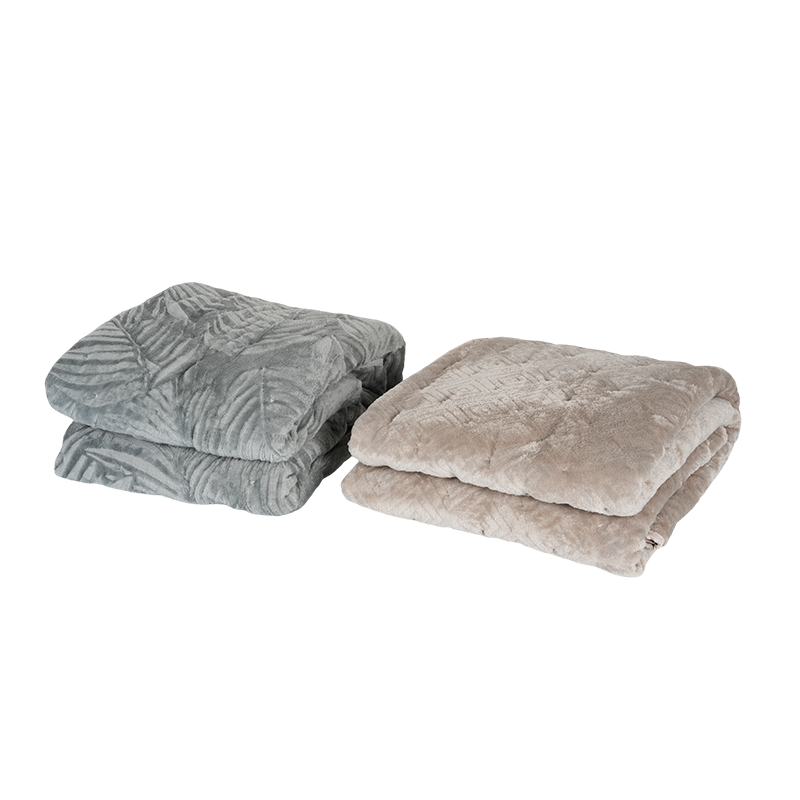
Crafted with meticulous attention to detail, our Durable Fluffy-and-Warm Quit redefines cozy comfort for any season. Whether you’re seeking a soft r...
View More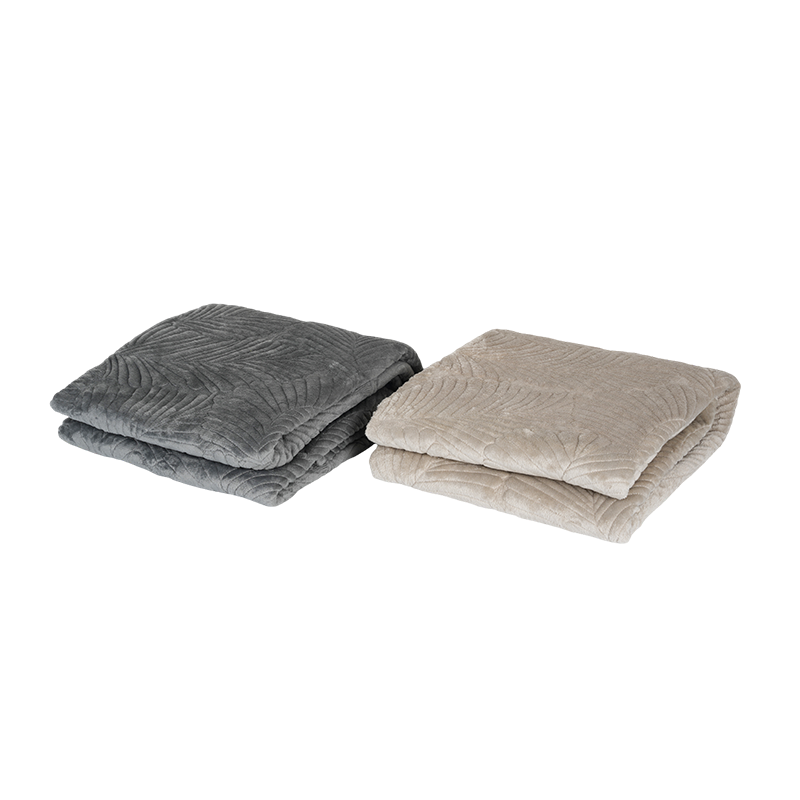
Crafted with a focus on comfort and style, our Comfortable Cottony-soft Quilt redefines cozy relaxation for any setting. Whether you’re seeking a to...
View More
Crafted to elevate your relaxation experience, the Breathable Colorfully-vivid Quilt combines innovative textile technology with a vibrant palette, in...
View More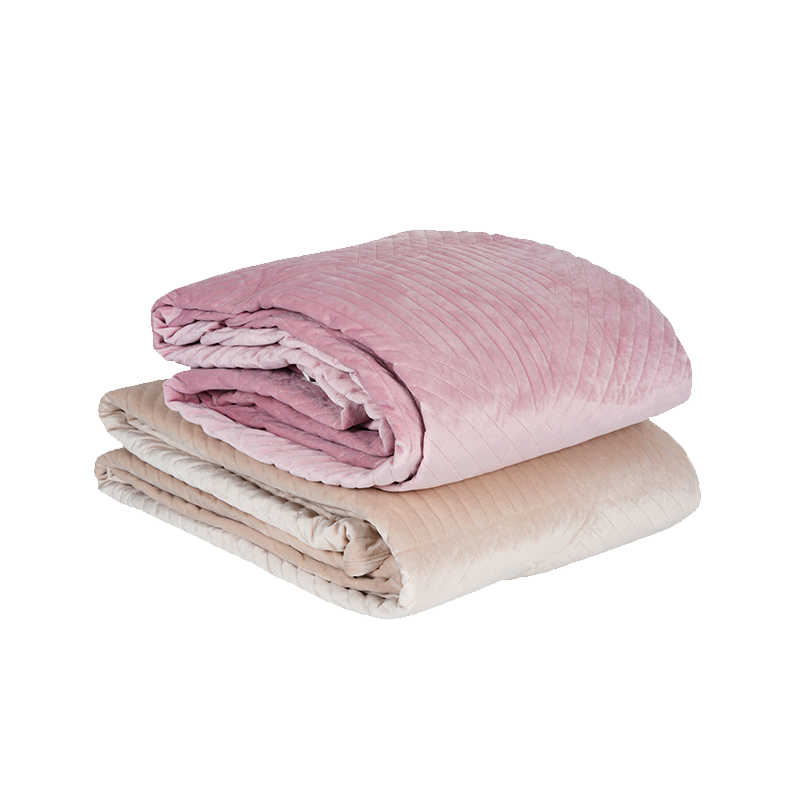
Crafted to elevate your relaxation sanctuary, the Fluffy Striped-distinct Quilt redefines cozy sophistication with its tactile allure and timeless des...
View More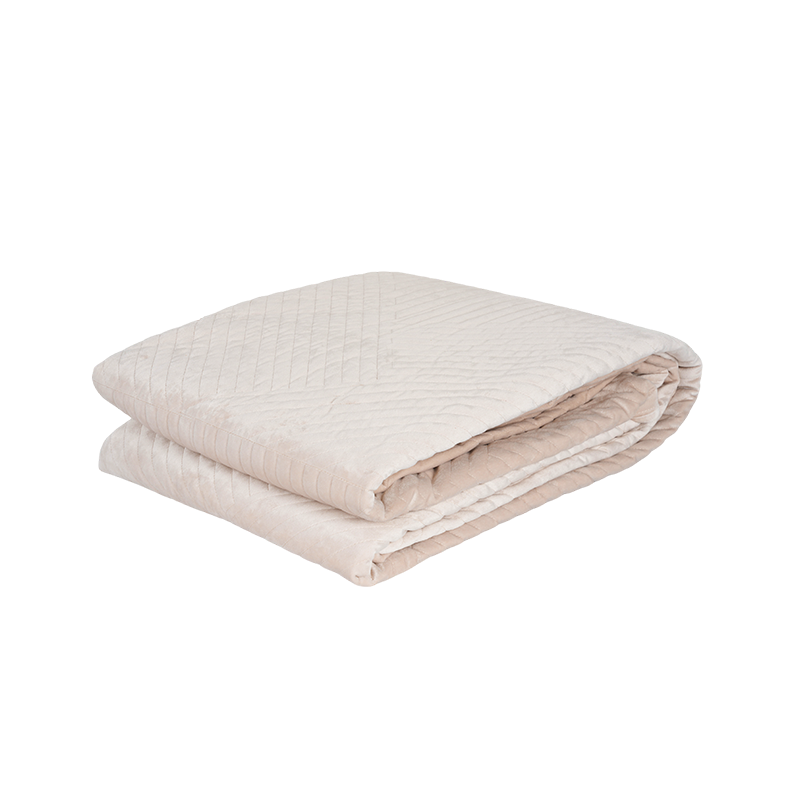
Crafted to embrace the essence of cozy simplicity, our Rustic Warmly-pleasant Quilt is a timeless addition to any home. This quilt combines the rustic...
View More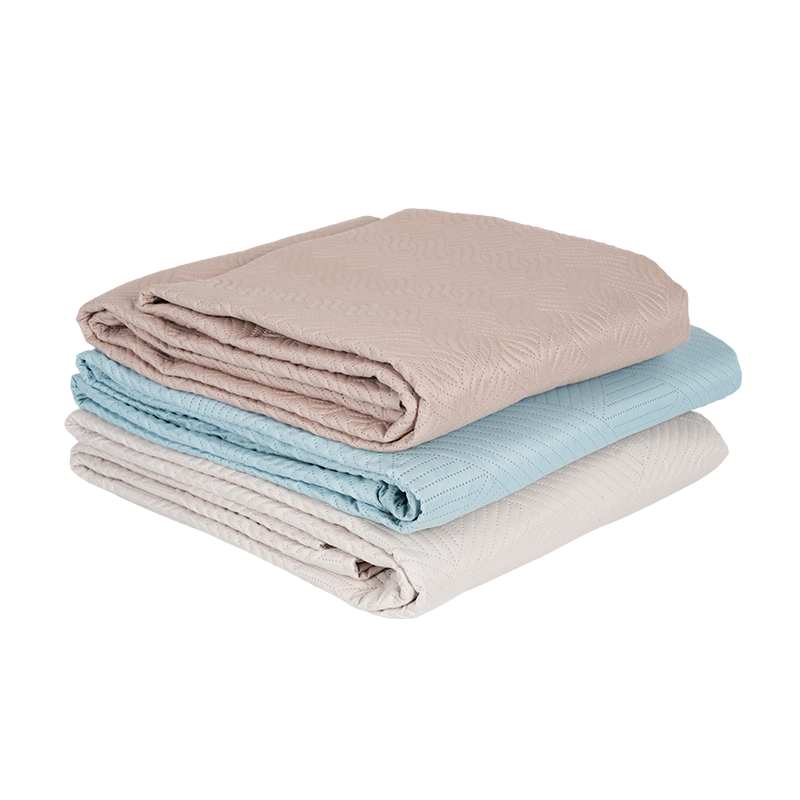
Crafted with meticulous attention to detail, our Plain Silky-smooth Quilt redefines cozy living through its seamless blend of simplicity and sophistic...
View More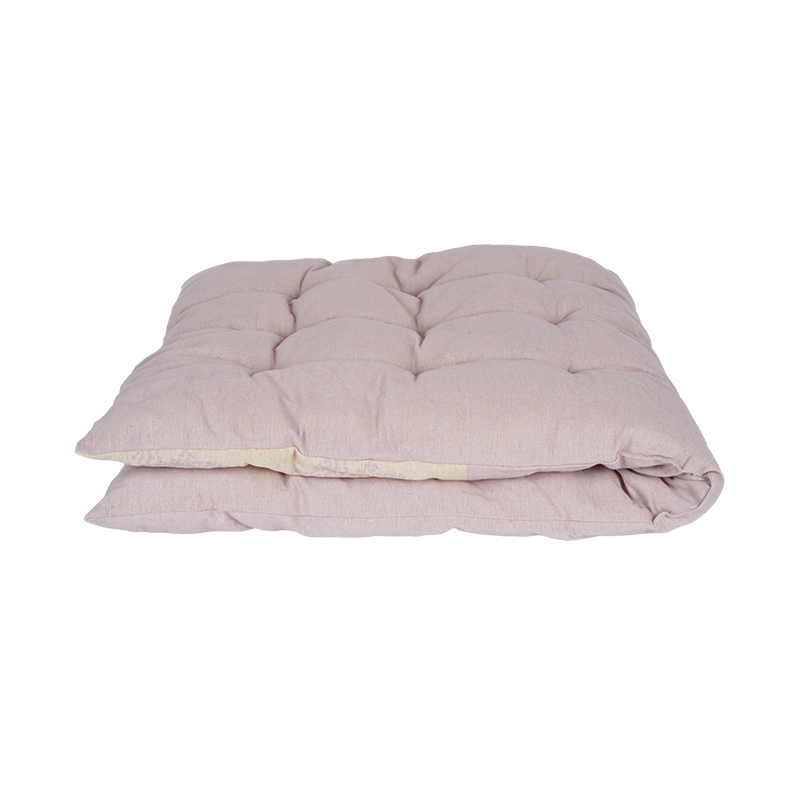
Crafted to elevate your downtime, the Thick Cozily-soft Quilt is a sanctuary of texture and tranquility. This luxurious piece combines tactile indulge...
View More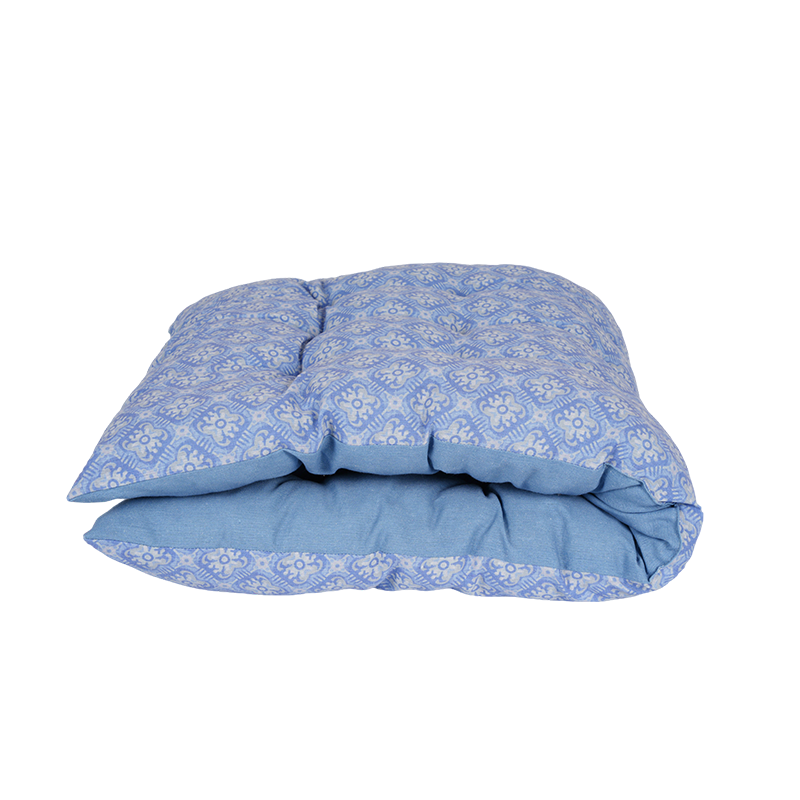
Crafted with meticulous attention to detail, our Printed Patterned Intricate Quilt combines timeless elegance with modern comfort, making it a good ad...
View More
Copyright © Pujiang County Dongxing Home Textile Crafts Co., Ltd. All Rights Reserved.


Phone: +86 189-6797-5628

E-mail: [email protected]

