

 English
 English
 Español
- Type:
- Industry News
- Date
- 2026-Sep-25
Industry News
Home / News / Industry News / When Should Retailers Reconsider Their Throw Pillow Sourcing Strategy?
For home décor retailers, furniture brands, and wholesale distributors, throw pillows may appear to be simple decorative products, but sourcing decisions can influence collection consistency, customer experience, and inventory management. A pillow that performs well during sampling may encounter different challenges after repeated handling, transportation, display, or everyday use. For buyers working with a Throw Pillow Manufacturer, the key is to evaluate the entire product specification before scaling an order rather than judging a collection only by its appearance.
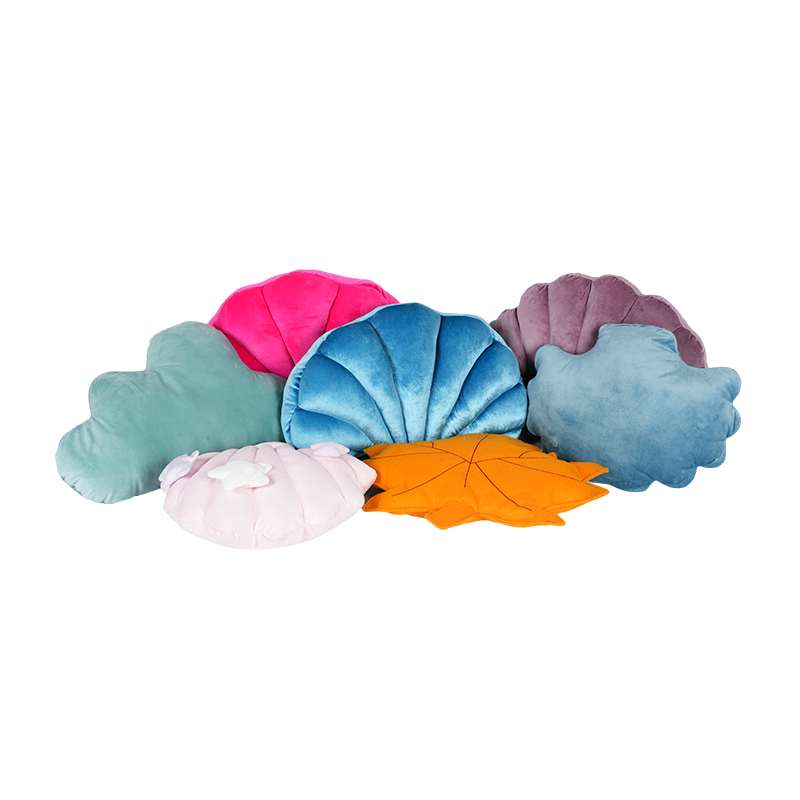
Fabric is often the first feature noticed by consumers, but it also affects durability, maintenance, texture, and product positioning. A soft velvet may suit a premium living-room collection, while a woven or linen-look fabric may better support a relaxed interior concept.
Retailers should consider the actual environment before selecting materials. For frequently handled cushions, the fabric should be evaluated for surface stability, abrasion resistance, color consistency, and cleaning requirements. This helps prevent a situation where an attractive material becomes difficult to maintain once the product reaches the end user.
The filling determines much of a pillow's softness, loft, recovery, and overall shape. If the filling is too loose, the cushion may appear flat after use. If it is excessively firm, it may lose the relaxed appearance expected from a decorative pillow.
Instead of requesting a general specification such as “soft filling,” buyers can work with manufacturers to define the desired feel and appearance more clearly. Filling material, quantity, distribution, and inner construction should be considered together.
This is especially useful when a retailer plans to offer several pillow sizes within the same collection.
Even when fabric and filling are carefully selected, inconsistent stitching can affect the finished appearance. Uneven seams, loose threads, corner deformation, or inconsistent piping may become more noticeable when several cushions are displayed side by side.
For wholesale production, buyers should review construction details during sample approval. Manufacturers can establish reference specifications for seam allowance, stitching density, edge finishing, zipper placement, and decorative elements.
Clear production standards make it easier to maintain a consistent appearance across larger orders.
A common sourcing challenge is developing too many unrelated designs. While a broad assortment may seem attractive, excessive variation can make a collection harder to merchandise and manage.
A more practical approach is to create coordinated pillow groups. For example, a retailer can combine one textured solid, one subtle pattern, and one decorative accent while keeping the color palette connected.
This structure allows buyers to create multiple combinations for sofas, beds, lounge chairs, and showroom displays without developing every product from scratch.
Transportation is another factor that should be considered before mass production. The volume of finished cushions can affect carton planning, warehouse space, and shipping efficiency.
Depending on the product construction, buyers may discuss suitable folding or compression methods with the manufacturer. Packaging should protect the fabric and finished shape while allowing the pillow to recover properly after unpacking.
Early communication between the purchasing team and factory can reduce packaging adjustments after production has already started.
For private-label home décor brands, customization can help a collection maintain a distinct market identity. Customization may involve fabric selection, dimensions, colors, patterns, labels, filling, trims, embroidery, or packaging.
However, customization should remain connected to the intended sales channel. A practical manufacturer can help buyers distinguish between changes that improve product differentiation and changes that unnecessarily increase development complexity.
This balance is particularly important for retailers testing a new collection before expanding into additional colors or sizes.
The right supplier should be able to discuss more than individual samples. Buyers need a manufacturing partner capable of translating design concepts into repeatable specifications and maintaining consistency during bulk production.
As a Throw Pillow Manufacturer,works with international home décor and furniture customers on fabric selection, filling configuration, dimensions, construction, customization, labeling, and packaging. By evaluating the product from both design and production perspectives, manufacturers and buyers can build throw pillow collections that remain practical from sampling through bulk delivery and final retail presentation.
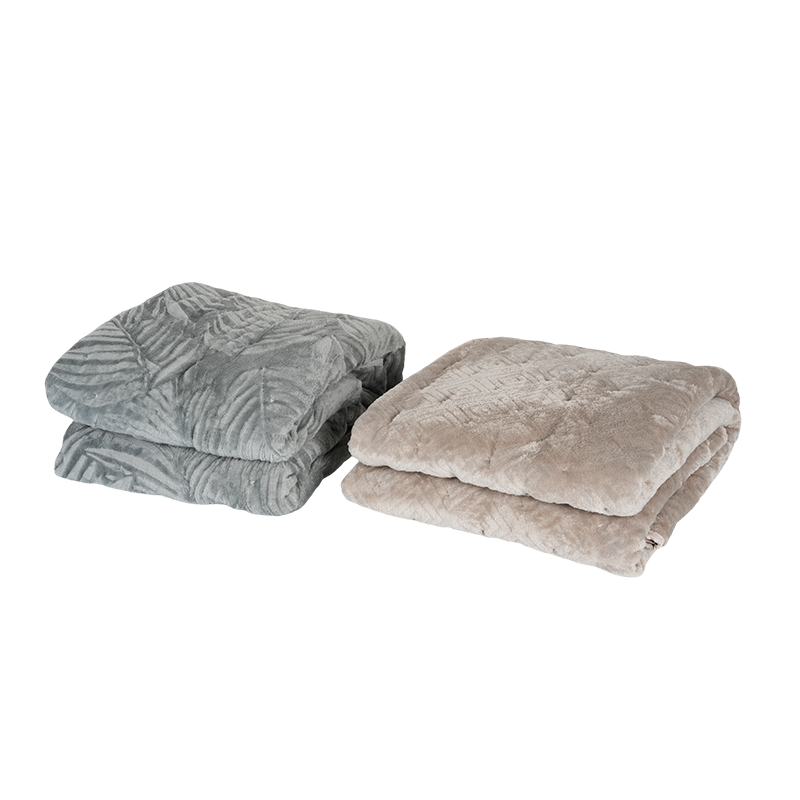
Crafted with meticulous attention to detail, our Durable Fluffy-and-Warm Quit redefines cozy comfort for any season. Whether you’re seeking a soft r...
View More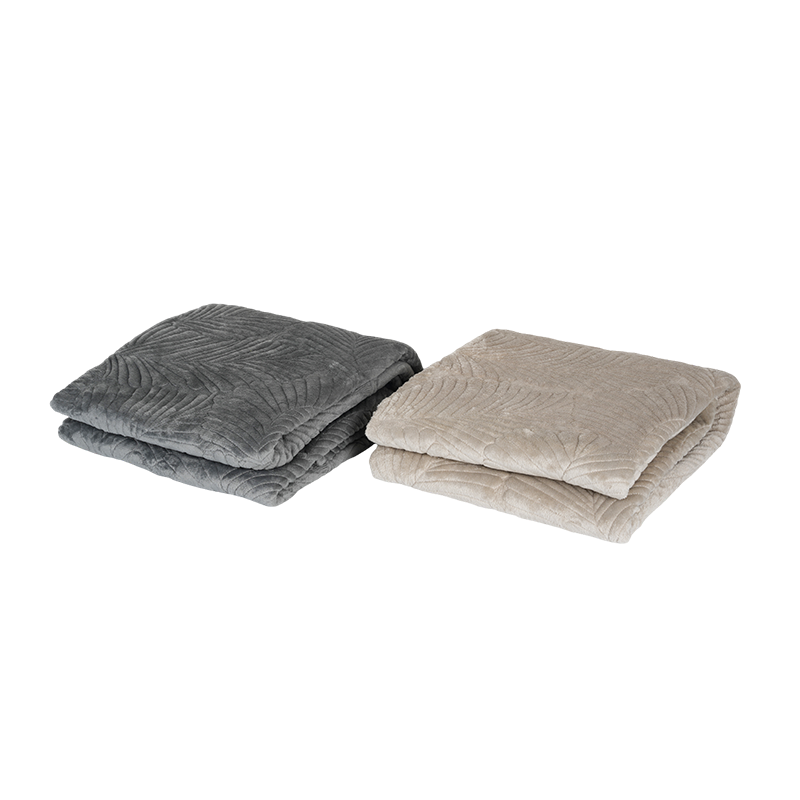
Crafted with a focus on comfort and style, our Comfortable Cottony-soft Quilt redefines cozy relaxation for any setting. Whether you’re seeking a to...
View More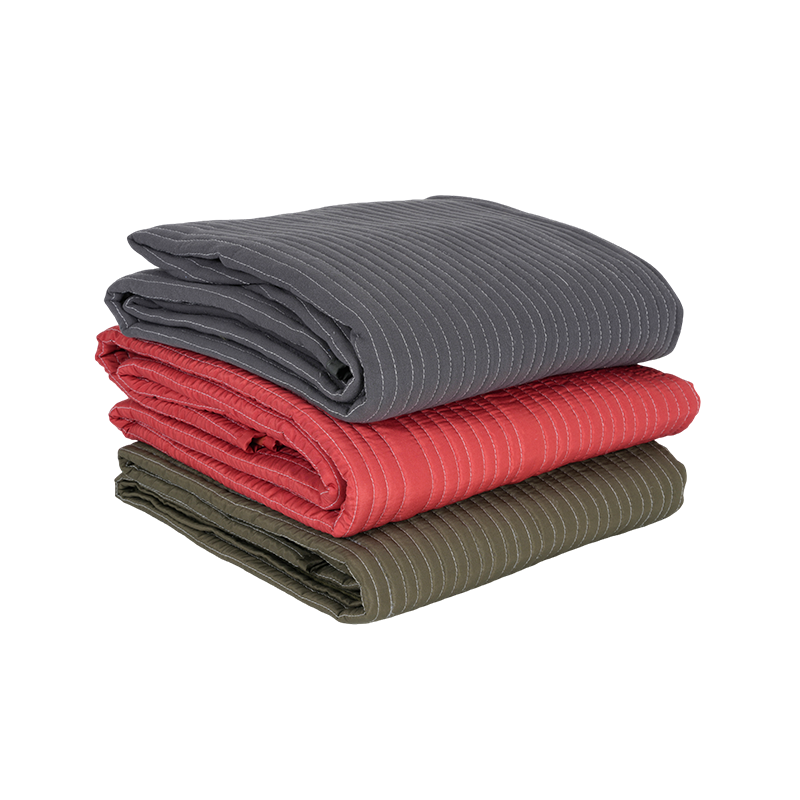
Crafted to elevate your relaxation experience, the Breathable Colorfully-vivid Quilt combines innovative textile technology with a vibrant palette, in...
View More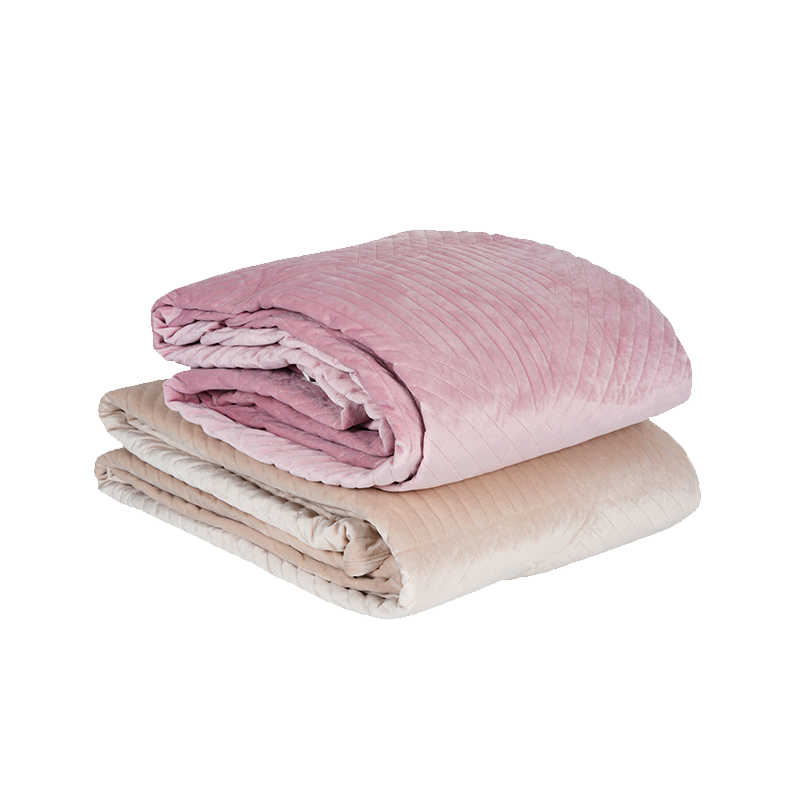
Crafted to elevate your relaxation sanctuary, the Fluffy Striped-distinct Quilt redefines cozy sophistication with its tactile allure and timeless des...
View More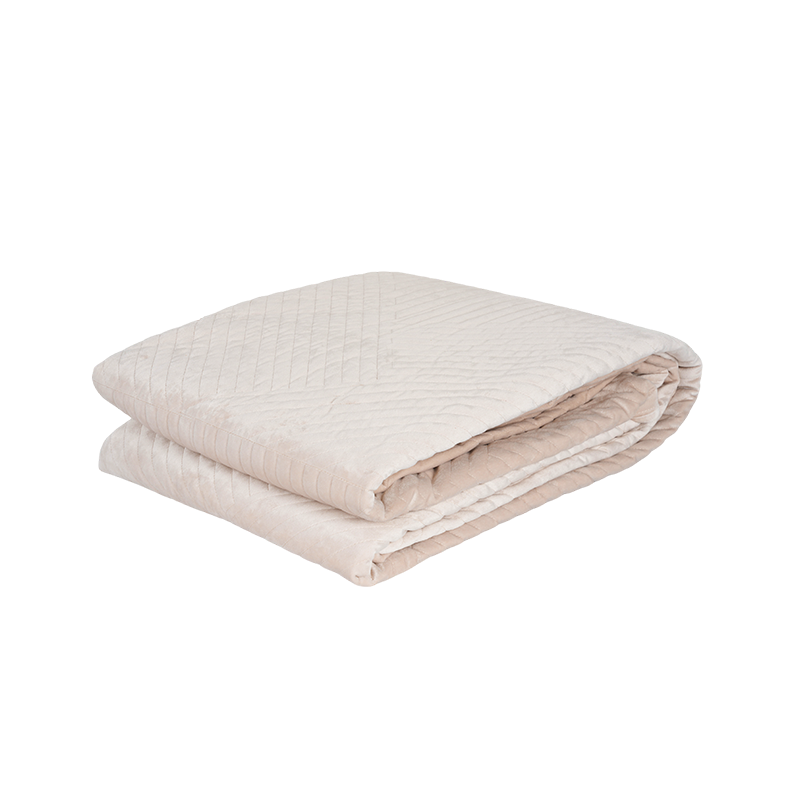
Crafted to embrace the essence of cozy simplicity, our Rustic Warmly-pleasant Quilt is a timeless addition to any home. This quilt combines the rustic...
View More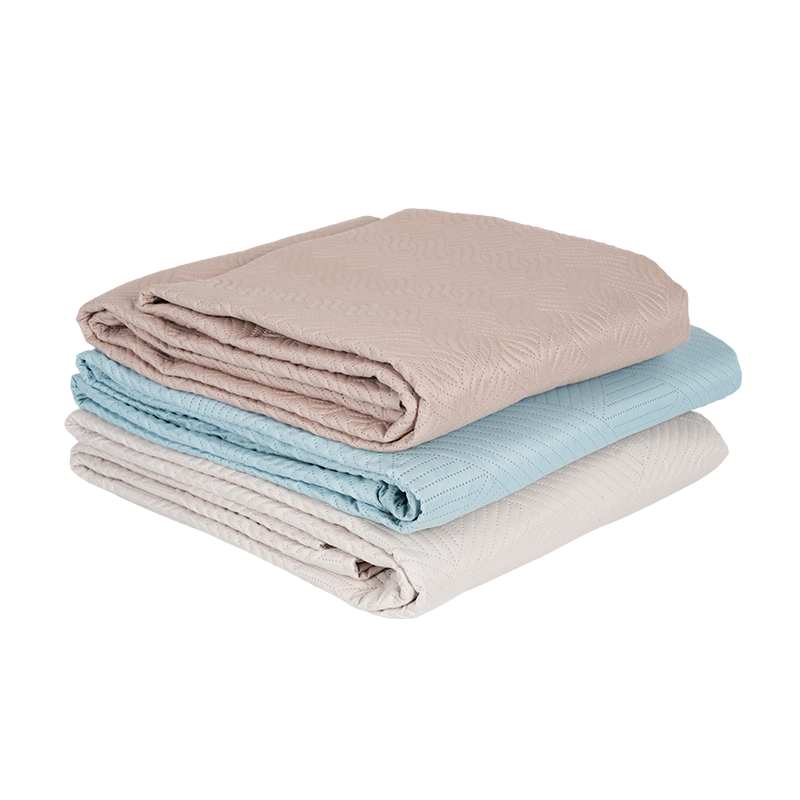
Crafted with meticulous attention to detail, our Plain Silky-smooth Quilt redefines cozy living through its seamless blend of simplicity and sophistic...
View More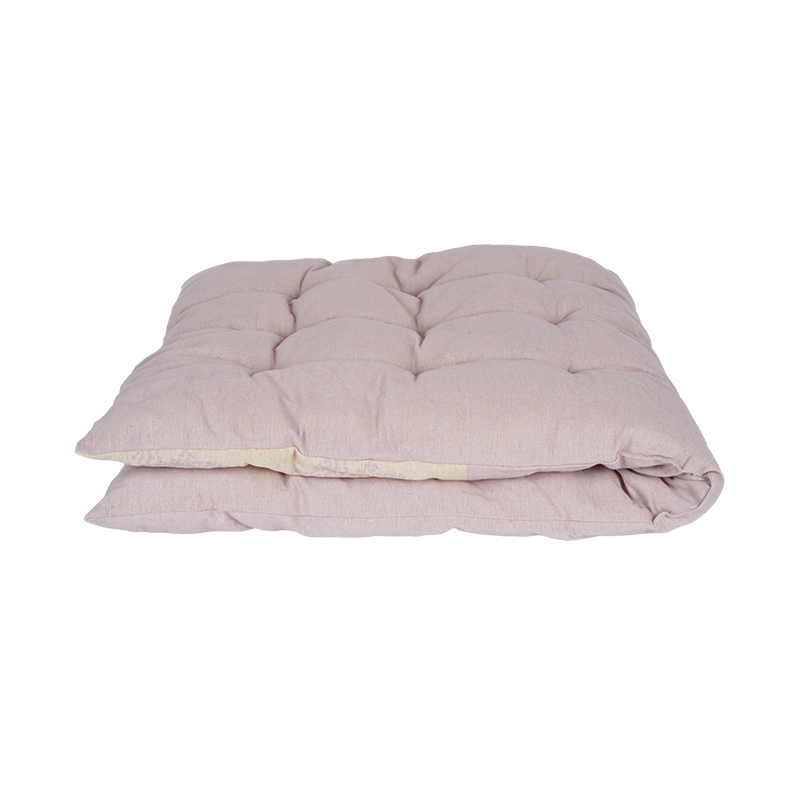
Crafted to elevate your downtime, the Thick Cozily-soft Quilt is a sanctuary of texture and tranquility. This luxurious piece combines tactile indulge...
View More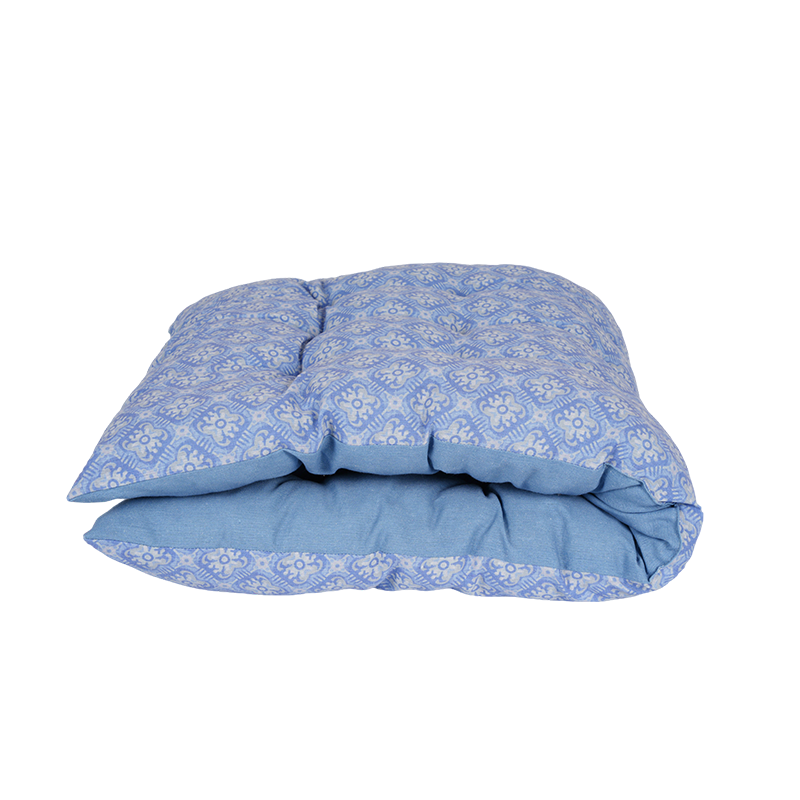
Crafted with meticulous attention to detail, our Printed Patterned Intricate Quilt combines timeless elegance with modern comfort, making it a good ad...
View More
Copyright © Pujiang County Dongxing Home Textile Crafts Co., Ltd. All Rights Reserved.


Phone: +86 189-6797-5628

E-mail: [email protected]

