

 English
 English
 Español
- Type:
- Industry News
- Date
- 2026-Sep-11
Industry News
Home / News / Industry News / What Should Buyers Look for When Selecting Throw Pillows for Different Furniture Collections?
For furniture brands, home décor retailers, hospitality projects, and wholesale distributors, choosing the right decorative cushion involves more than matching a fabric to a sofa. A pillow that looks attractive in a product photo may perform differently when used on a deep sofa, accent chair, bed, or commercial seating area. For buyers working with a Throw Pillow Manufacturer, understanding the relationship between filling, construction, fabric, size, and intended use can make product development more predictable while helping create collections that deliver both visual appeal and everyday comfort.
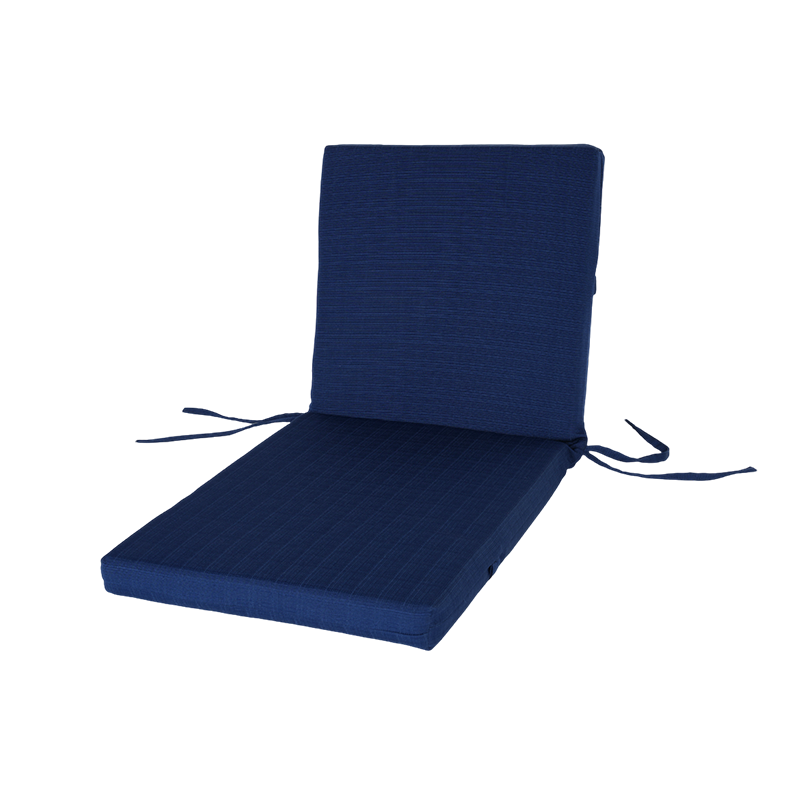
The same throw pillow specification may not work equally well across every furniture type. A soft accent pillow can complement a residential sofa, while a firmer construction may be more suitable for showroom seating or hospitality environments where cushions are handled frequently.
Before confirming a bulk order, purchasing teams should define where the pillows will be used. Key considerations include:
Clarifying the application at the beginning helps manufacturers recommend suitable dimensions, filling levels, fabric constructions, and finishing details.
Filling is one of the most important factors influencing how a throw pillow feels and maintains its shape. Polyester fiberfill, down-alternative materials, foam-based constructions, and blended fillings can produce different levels of softness, loft, and support.
For decorative applications, buyers often want a cushion that looks full without becoming excessively firm. A well-balanced filling specification can help the pillow maintain its intended silhouette while allowing consumers to reshape it during everyday use.
Manufacturers should therefore evaluate filling density and recovery together rather than treating softness as the only performance target.
Fabric affects more than the visual character of a pillow. It can influence touch, abrasion resistance, cleaning requirements, color presentation, and overall product positioning.
For a premium residential collection, velvet or textured woven fabrics can create a richer tactile experience. Linen-look materials may suit relaxed or natural interior themes, while durable synthetic blends can be considered for furniture collections requiring easier maintenance.
For commercial buyers, fabric selection should also take account of cleaning routines and expected frequency of use. A decorative cushion intended for a hotel lounge, for example, may require a different material strategy from one designed primarily for occasional home styling.
A collection becomes easier to merchandise when different pillow dimensions work together visually. Standard square cushions can provide the foundation, while lumbar or rectangular styles introduce variation without requiring an entirely unrelated design language.
Rather than creating numerous independent products, buyers can build coordinated groups around:
This approach gives retailers more styling combinations while keeping product development more organized.
For wholesale and private-label programs, consistency between approved samples and mass production is a major purchasing consideration. Small differences in filling, stitching tension, fabric shade, or finished dimensions can become noticeable when products are displayed together.
A capable manufacturer should establish clear specifications before production, including fabric composition, filling material, dimensions, stitching method, labeling, and packaging requirements. Sample approval should then provide a reference for subsequent production batches.
This process is particularly useful for brands ordering the same collection for multiple markets or sales channels.
Throw pillows are relatively lightweight, but their volume can influence storage and transportation. Buyers should discuss compression, folding, protective packaging, carton dimensions, and recovery requirements before placing a large order.
The packaging method should protect the product without compromising its final appearance. After unpacking, the pillow may need time to recover its original loft and shape, depending on its construction and filling.
Discussing these details during product development can prevent avoidable logistics and merchandising issues later.
The most effective throw pillow programs usually begin with the intended market rather than a single decorative trend. Residential retailers may prioritize softness and styling flexibility, furniture brands may need coordinated cushions for complete room collections, while hospitality buyers may place greater emphasis on durability and maintenance.
Our manufacturing approach focuses on helping customers translate these requirements into practical pillow specifications. As an experienced Throw Pillow Manufacturer, we support fabric selection, filling options, size development, construction details, private-label requirements, and bulk production planning. By connecting design decisions with real application needs, we help international buyers develop throw pillow collections that are attractive, functional, and easier to manage across different furniture and retail programs.
Crafted with meticulous attention to detail, our Durable Fluffy-and-Warm Quit redefines cozy comfort for any season. Whether you’re seeking a soft r...
View More
Crafted with a focus on comfort and style, our Comfortable Cottony-soft Quilt redefines cozy relaxation for any setting. Whether you’re seeking a to...
View More
Crafted to elevate your relaxation experience, the Breathable Colorfully-vivid Quilt combines innovative textile technology with a vibrant palette, in...
View More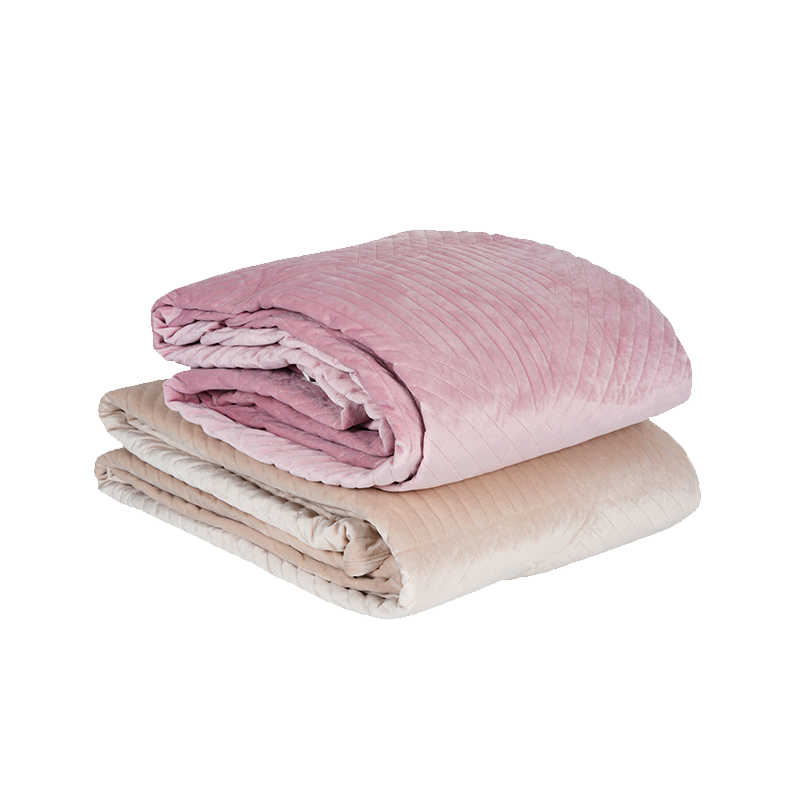
Crafted to elevate your relaxation sanctuary, the Fluffy Striped-distinct Quilt redefines cozy sophistication with its tactile allure and timeless des...
View More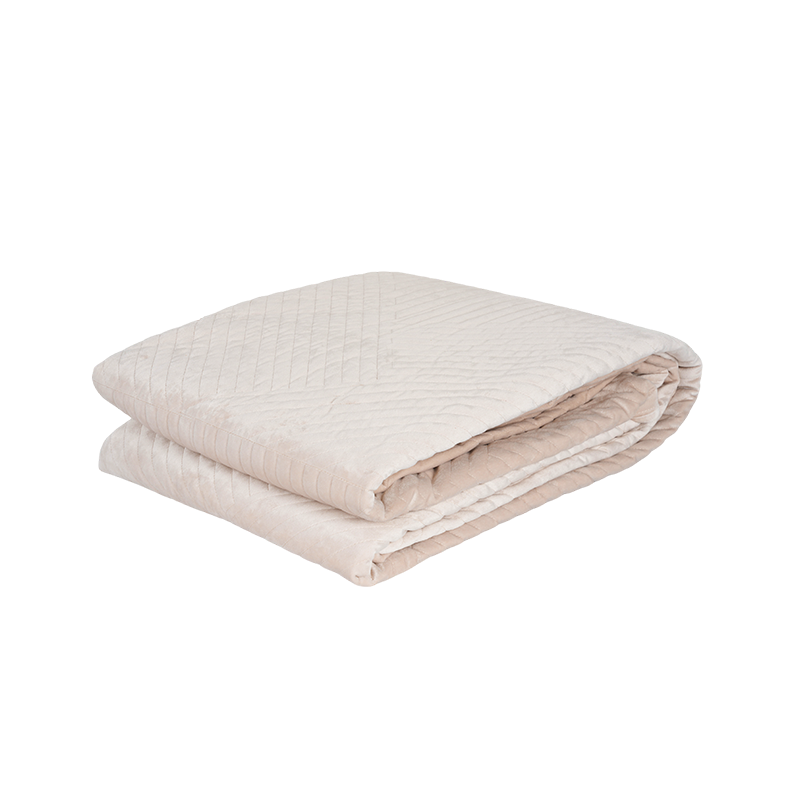
Crafted to embrace the essence of cozy simplicity, our Rustic Warmly-pleasant Quilt is a timeless addition to any home. This quilt combines the rustic...
View More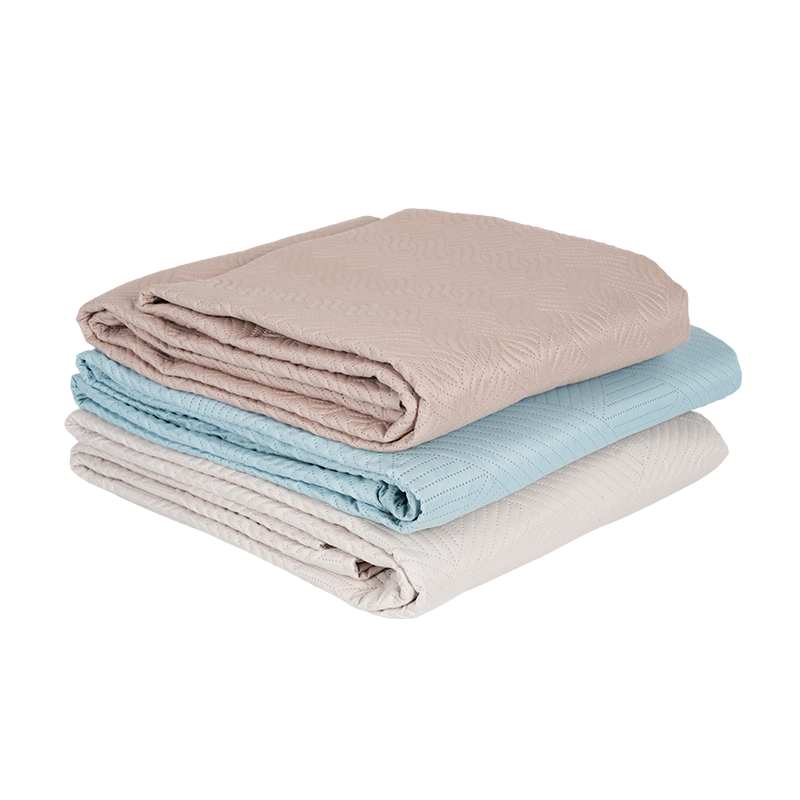
Crafted with meticulous attention to detail, our Plain Silky-smooth Quilt redefines cozy living through its seamless blend of simplicity and sophistic...
View More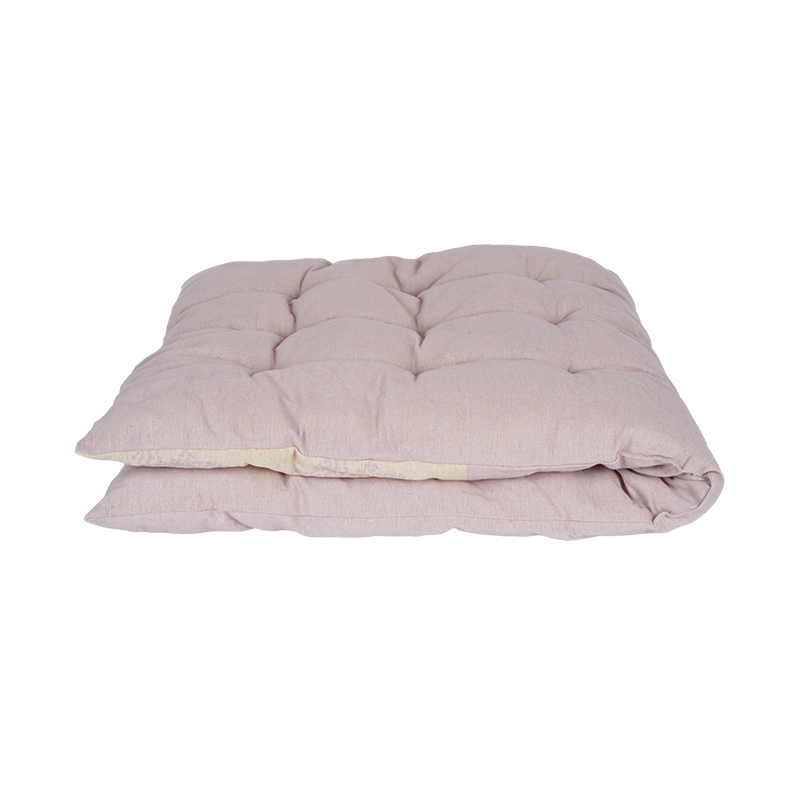
Crafted to elevate your downtime, the Thick Cozily-soft Quilt is a sanctuary of texture and tranquility. This luxurious piece combines tactile indulge...
View More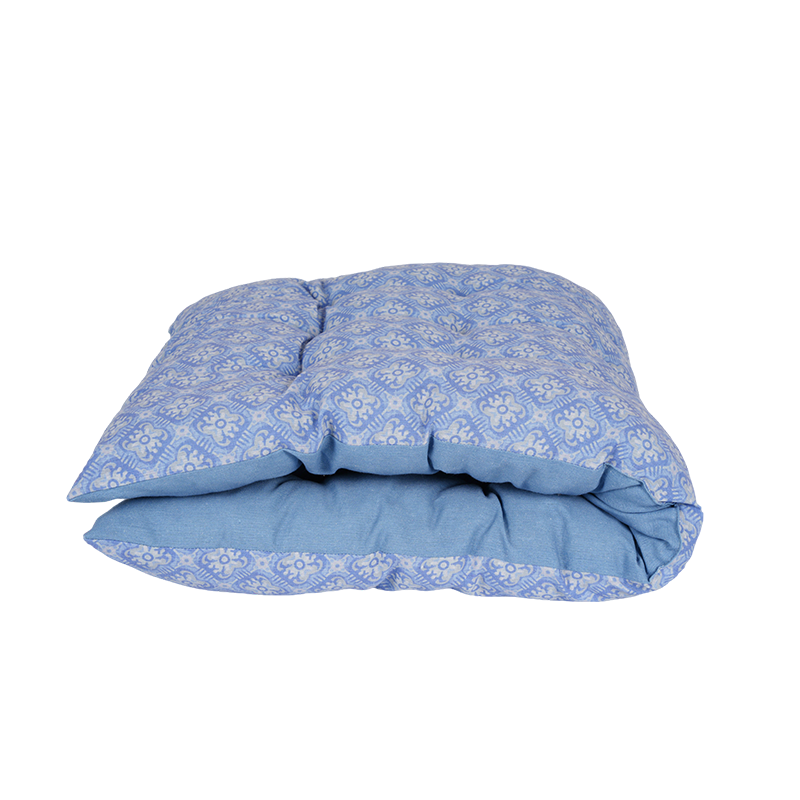
Crafted with meticulous attention to detail, our Printed Patterned Intricate Quilt combines timeless elegance with modern comfort, making it a good ad...
View More
Copyright © Pujiang County Dongxing Home Textile Crafts Co., Ltd. All Rights Reserved.


Phone: +86 189-6797-5628

E-mail: [email protected]

