

 English
 English
 Español
- Type:
- Industry News
- Date
- 2026-Sep-04
Industry News
Home / News / Industry News / How Can Throw Pillows Help Retailers Refresh Home Collections Without Overcomplicating Inventory?
For home décor brands, retailers, and furniture companies, updating a collection does not always require a complete change of furniture or large textile ranges. Well-designed throw pillows can introduce new colors, textures, patterns, and seasonal themes while working with existing sofas, beds, and lounge furniture. Current interior trends are placing greater attention on layered comfort, tactile materials, warm tones, and more individual styling rather than uniform interiors. For buyers, working with an experienced Throw Pillow Manufacturer can make it easier to develop coordinated collections while keeping product specifications and production requirements under control.
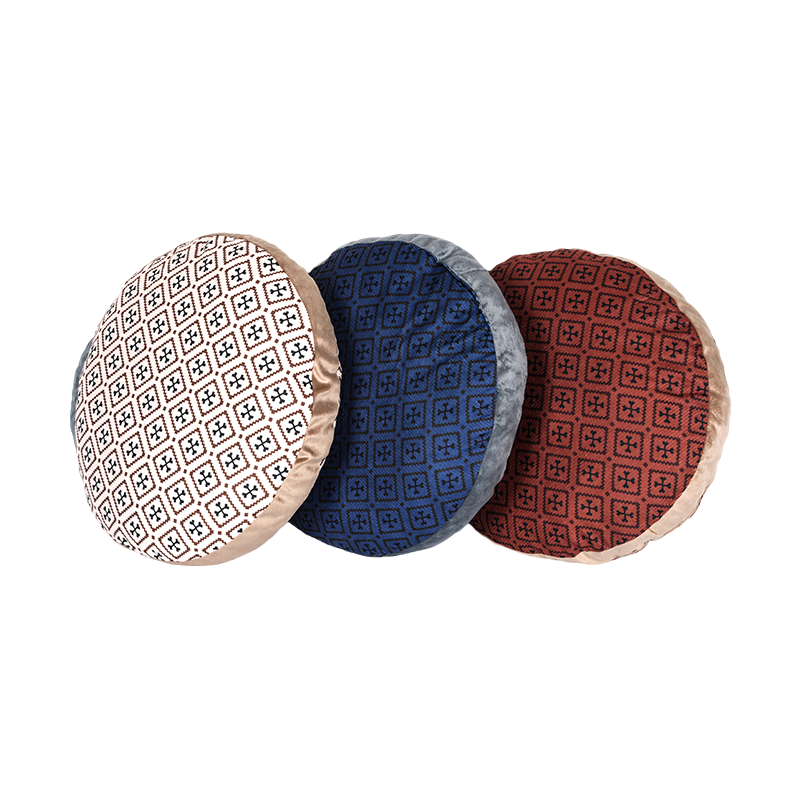
Recent home décor trends show stronger interest in spaces that feel comfortable, collected, and personal. Instead of relying on a single fabric or matching every item perfectly, designers are combining different textures and subtle pattern variations to create visual depth.
Throw pillows are particularly suitable for this approach because they can introduce tactile contrast without changing the main furniture. Woven surfaces, embroidery, velvet-like textures, printed fabrics, and natural-looking materials can be developed into coordinated pillow collections for different interior styles.
Seasonal collections can attract customers, but overly specific designs may have a shorter selling period. A more practical approach is to combine seasonal colors or patterns with shapes and materials that remain suitable beyond one season.
For example, current fall color directions include tones such as terracotta, olive, sage, deep teal, and other warm shades. These colors can be incorporated through pillow covers while maintaining compatibility with neutral furniture and broader home décor collections.
This gives retailers more flexibility when planning collections and reduces the need to redesign every supporting product.
Material selection should reflect the intended retail positioning and usage environment. A decorative pillow for a premium living-room collection may require a different fabric construction and filling from a frequently used cushion for hospitality or contract furniture.
Buyers should evaluate:
These details influence both the appearance of the finished product and its suitability for the intended market.
For brands developing private-label home décor collections, customization provides greater control over product appearance and specifications. Instead of selecting a standard pillow and changing only the label, buyers can work with manufacturers on dimensions, fabrics, patterns, trims, fillings, packaging, and other product details.
This is particularly useful when a collection requires several coordinated pillow designs. A manufacturer can help maintain consistency across different sizes and constructions while adapting the products to the buyer's technical requirements.
For OEM projects, providing clear artwork, dimensions, fabric requirements, filling specifications, and packaging expectations at the development stage can also reduce unnecessary revisions before mass production.
A visually attractive pillow still needs to perform well in everyday environments. Recent interior design commentary has also highlighted the importance of choosing decorative elements that remain practical rather than relying only on what photographs well.
For commercial buyers, this means considering where the product will be used. Residential décor, hospitality projects, furniture showrooms, seasonal retail collections, and outdoor applications can require different fabric and construction choices.
A practical development process should therefore consider both the visual concept and expected usage conditions before finalizing the product.
When retailers order multiple pillow styles, consistency becomes an important part of quality control. Differences in dimensions, filling volume, stitching, color, or fabric appearance can make products from the same collection look inconsistent on the sales floor.
An experienced manufacturer should therefore have defined production and inspection procedures covering material preparation, cutting, sewing, filling, finishing, and final inspection. Clear specifications also make repeat orders easier to manage when a successful design needs to be reproduced later.
For overseas buyers, this manufacturing consistency can be as important as the initial product sample.
The current home décor market offers opportunities for retailers to refresh their collections through smaller visual changes, including texture, color, pattern, and material combinations. Wholesale marketplaces currently show a broad range of throw pillow constructions, from embroidered and woven designs to lumbar shapes, outdoor styles, and different filling options.
For brands and furniture companies developing private-label collections, choosing the right Throw Pillow Manufacturer means looking beyond unit price. Product development support, material selection, customization capability, production consistency, and communication during sampling can all influence the success of a collection. A well-planned throw pillow program can give retailers a practical way to introduce new design directions while maintaining flexibility across different home décor markets.
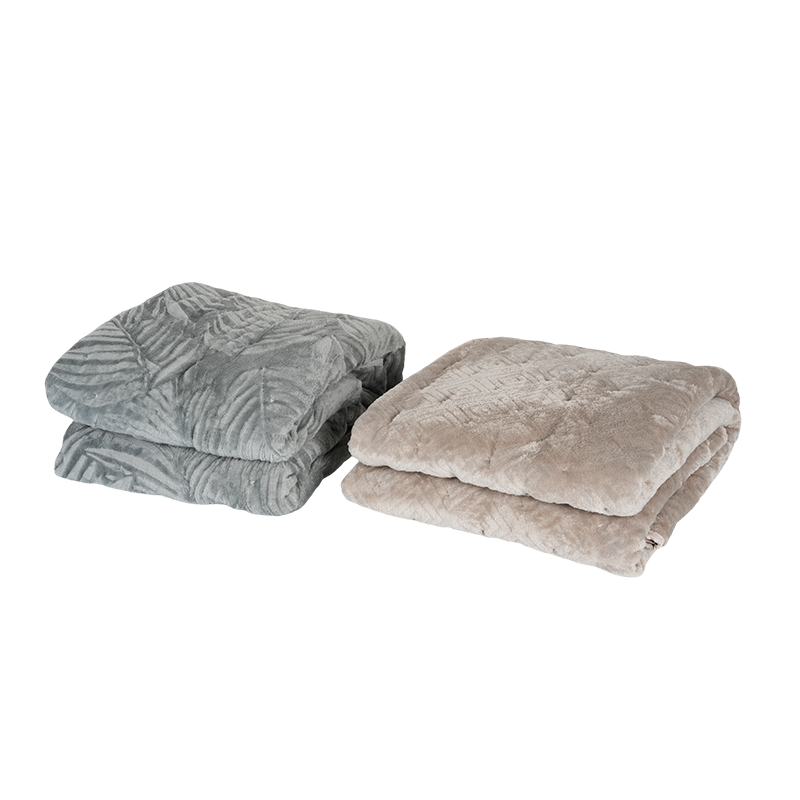
Crafted with meticulous attention to detail, our Durable Fluffy-and-Warm Quit redefines cozy comfort for any season. Whether you’re seeking a soft r...
View More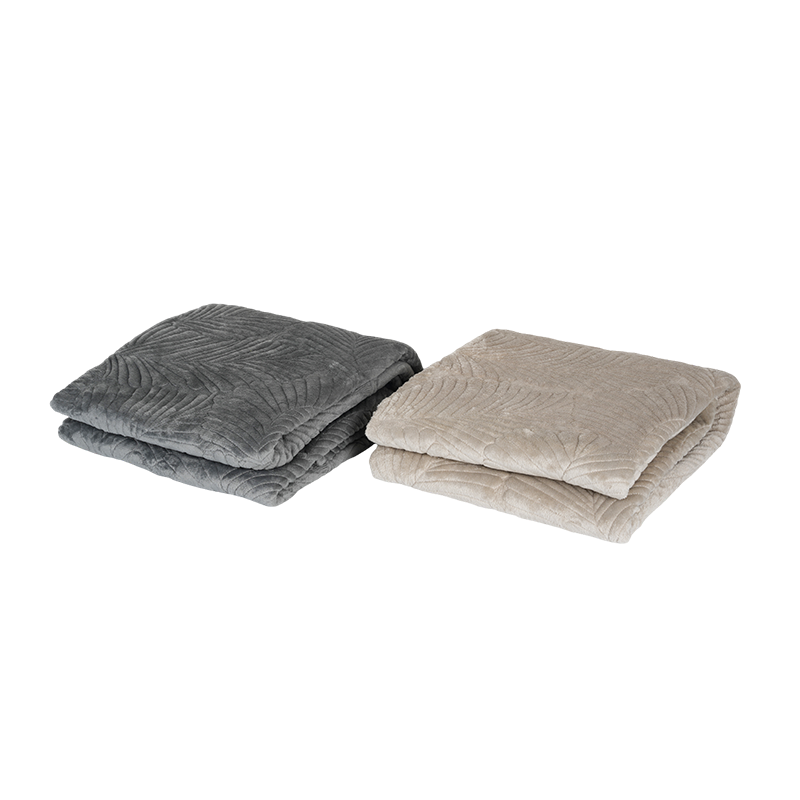
Crafted with a focus on comfort and style, our Comfortable Cottony-soft Quilt redefines cozy relaxation for any setting. Whether you’re seeking a to...
View More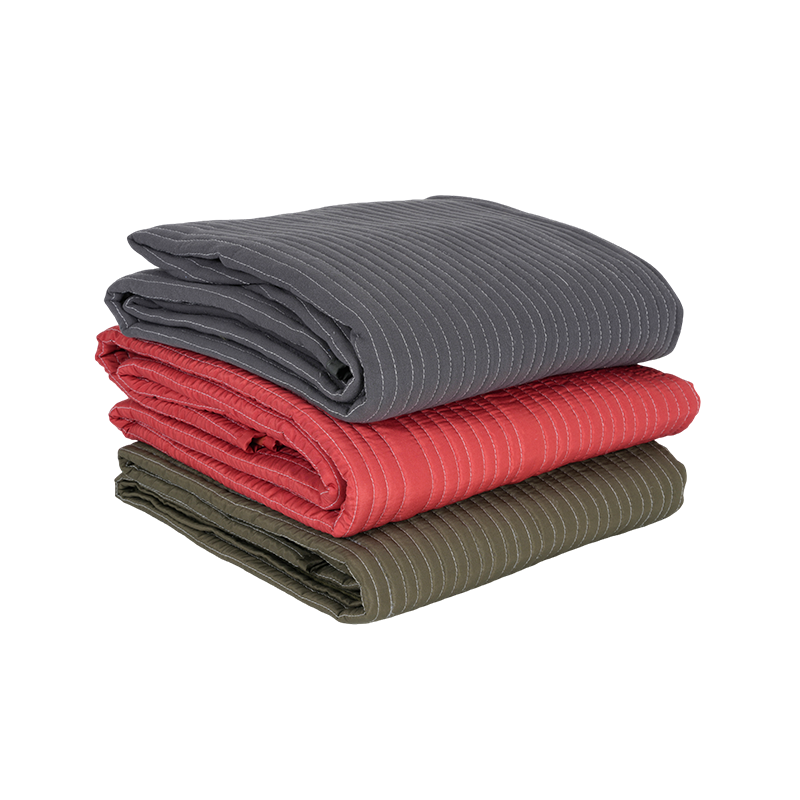
Crafted to elevate your relaxation experience, the Breathable Colorfully-vivid Quilt combines innovative textile technology with a vibrant palette, in...
View More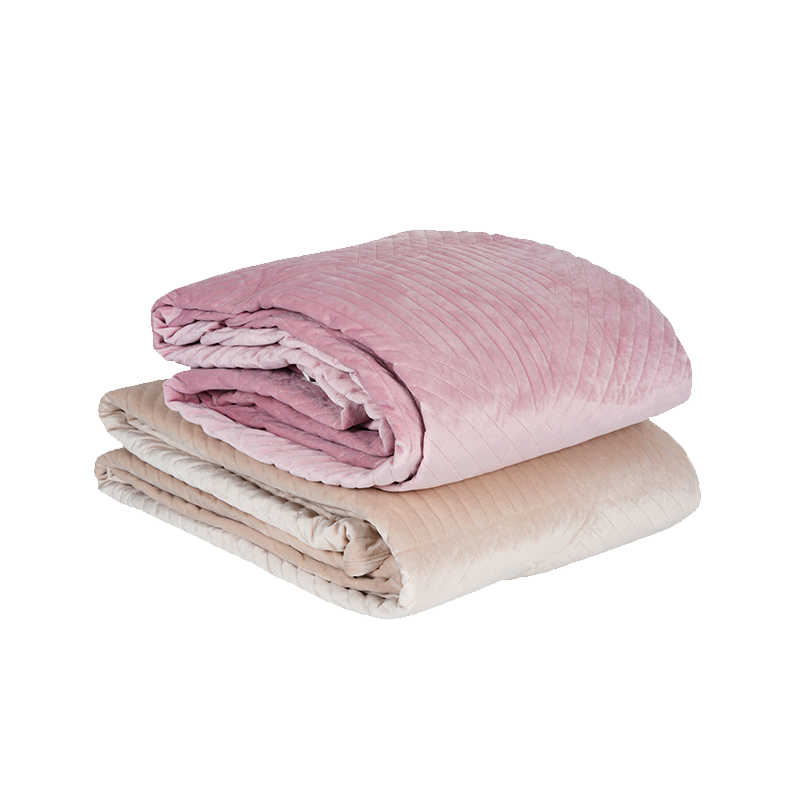
Crafted to elevate your relaxation sanctuary, the Fluffy Striped-distinct Quilt redefines cozy sophistication with its tactile allure and timeless des...
View More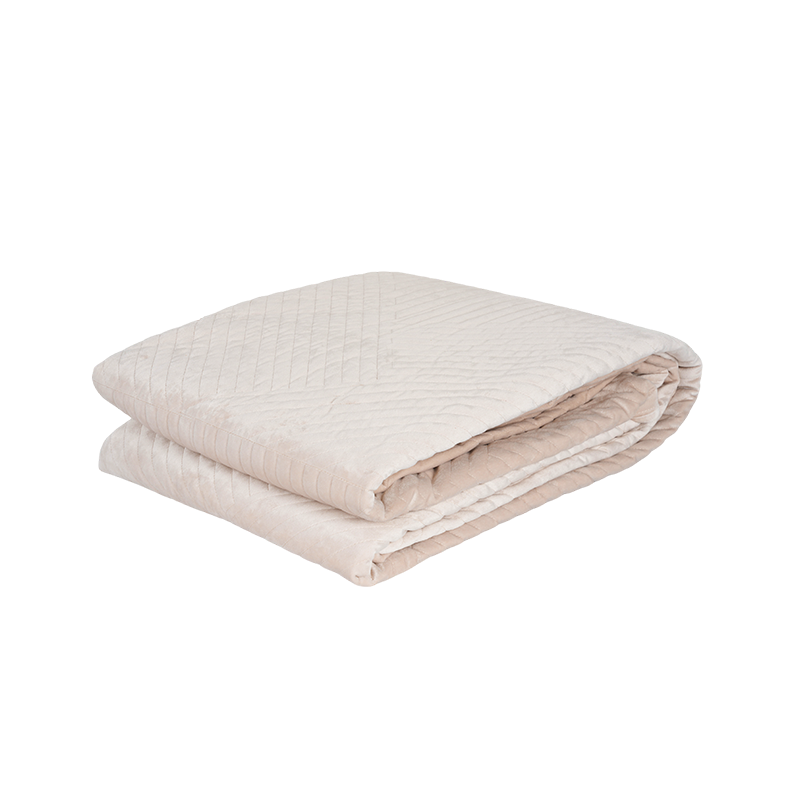
Crafted to embrace the essence of cozy simplicity, our Rustic Warmly-pleasant Quilt is a timeless addition to any home. This quilt combines the rustic...
View More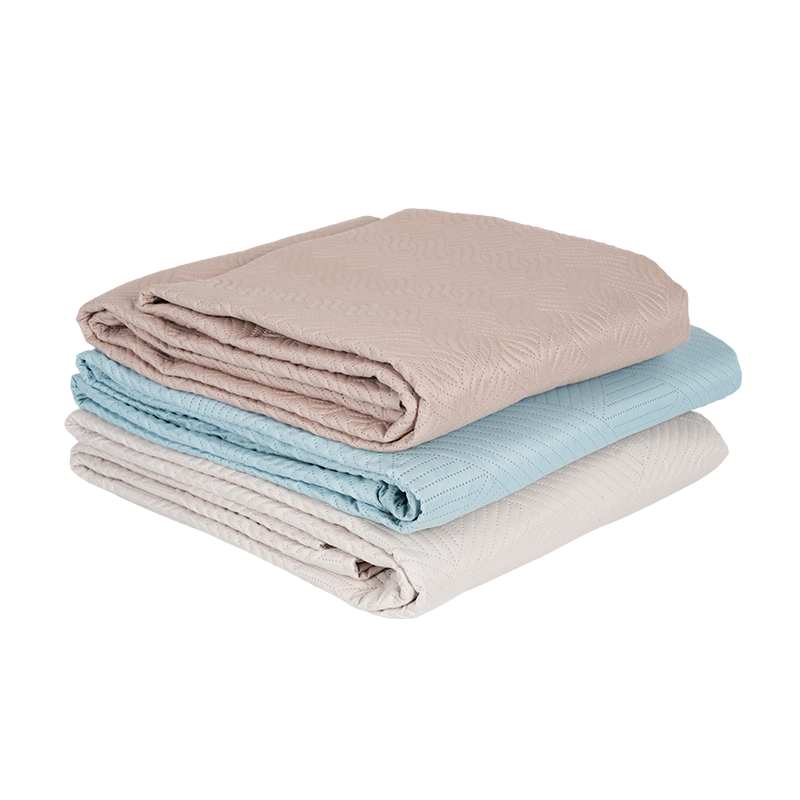
Crafted with meticulous attention to detail, our Plain Silky-smooth Quilt redefines cozy living through its seamless blend of simplicity and sophistic...
View More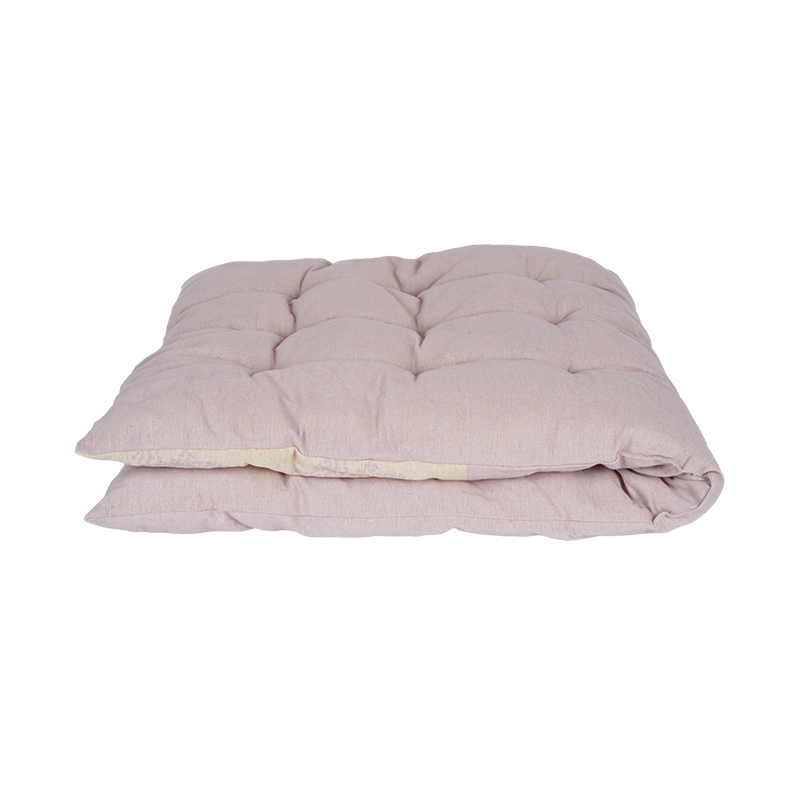
Crafted to elevate your downtime, the Thick Cozily-soft Quilt is a sanctuary of texture and tranquility. This luxurious piece combines tactile indulge...
View More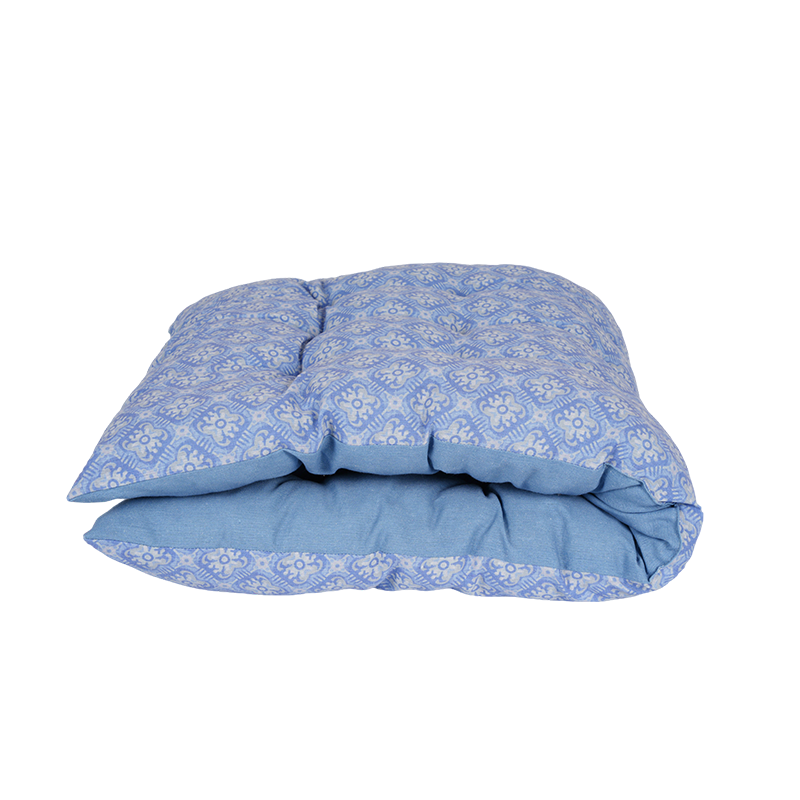
Crafted with meticulous attention to detail, our Printed Patterned Intricate Quilt combines timeless elegance with modern comfort, making it a good ad...
View More
Copyright © Pujiang County Dongxing Home Textile Crafts Co., Ltd. All Rights Reserved.


Phone: +86 189-6797-5628

E-mail: [email protected]

