

 English
 English
 Español
- Type:
- Industry News
- Date
- 2026-Nov-13
Industry News
What Should Buyers Consider When Customizing Outdoor Seat Cushions?
Outdoor seating is expected to provide comfort while coping with changing weather, frequent use, and different storage conditions. For furniture brands, hospitality suppliers, garden retailers, and project buyers, choosing the right cushion involves more than matching a color to an outdoor chair. Fabric performance, filling structure, water management, dimensions, and maintenance all influence the finished product. When developing Custom Outdoor Seat Cushions, buyers need to consider where the cushions will be used and how they will be maintained. A design that works well on a covered patio may not be suitable for an exposed poolside area or a busy commercial terrace.

Start With the Outdoor Environment
The first step in customization is identifying the intended application. Outdoor cushions used on residential balconies may experience less frequent use than those installed in hotel lounges, restaurant terraces, or public leisure areas. Exposure to direct sunlight, rain, humidity, dust, and regular handling can also vary significantly.
Manufacturers should understand these conditions before recommending materials and construction methods. Buyers can provide details about the furniture type, installation location, expected usage frequency, and whether cushions will be stored indoors when not in use. This information helps narrow down suitable product configurations instead of relying on a general-purpose design.
Choose Fabric According to Exposure and Maintenance
Outdoor cushion fabric affects appearance, touch, cleaning, and resistance to environmental conditions. Buyers should compare fabric options according to their intended use rather than selecting solely by color or price.
Important points include:
- Resistance to fading under the expected level of sunlight exposure
- Surface characteristics and ease of routine cleaning
- Resistance to moisture and the fabric's drying behavior
- Abrasion performance for frequently used seating
- Color and texture consistency across larger orders
It is also important to distinguish water-resistant fabric from a completely waterproof cushion. Fabric performance alone does not determine whether moisture can enter through seams, zippers, or other openings.
Filling Determines the Seating Experience
Two cushions with similar dimensions can feel very different because of their filling materials and internal construction. Some applications require a firmer seating surface that maintains its shape during frequent use, while others may prioritize a softer feel for residential relaxation areas.
When selecting cushion filling, buyers should consider thickness, density, resilience, intended seating duration, and the structure of the furniture beneath it. The filling should support the user's weight without making the cushion uncomfortable or difficult to maintain.
Manufacturers can help evaluate different filling combinations through samples, allowing buyers to compare comfort and recovery before confirming a production specification.
Plan for Moisture Management
Moisture management is an important consideration for outdoor cushions, particularly in humid climates or areas exposed to occasional rain. Water can enter through seams and openings even when the outer fabric has water-resistant properties. If moisture remains inside the cushion, drying may take longer and storage can become more difficult.
Depending on the design, buyers can discuss features such as quick-drying filling materials, drainage-friendly construction, breathable components, and removable covers. No single feature guarantees that a cushion will remain dry in every condition. The complete structure and the recommended care routine should be evaluated together.
Accurate Dimensions Reduce Fit Problems
Custom cushions need to correspond with the furniture they are designed for. Small differences in seat depth, corner shape, thickness, or backrest angle can affect both appearance and comfort.
Before production, buyers should provide accurate measurements or physical furniture references where possible. For projects involving multiple furniture models, a dimension sheet with clear product identification can help prevent mix-ups during sampling and bulk manufacturing.
It is also useful to confirm whether cushions require ties, non-slip backing, special corner shapes, or removable covers to suit the furniture structure.
Make Cleaning and Replacement Part of the Design
For hospitality and commercial buyers, cushions may need to be cleaned regularly and replaced individually when wear occurs. Removable covers, accessible zippers, and clearly specified fabric options can make routine maintenance more manageable.
Buyers should discuss washing instructions, suitable cleaning methods, and the availability of replacement covers or matching materials before ordering. These details can influence long-term operating costs, especially when a project contains many identical seating units.
Develop a Cushion Specification With Your Manufacturer
Successful customization depends on coordinating fabric, filling, dimensions, stitching, moisture management, and packaging. As a manufacturer of Custom Outdoor Seat Cushions, we recommend confirming these requirements before sample approval rather than making decisions separately at each production stage. A clear product specification helps overseas buyers compare options, communicate expectations, and maintain consistency across repeat orders. By matching cushion construction to the actual outdoor environment, furniture brands and commercial buyers can create seating products that deliver a more suitable balance of comfort, appearance, and practical maintenance.
Related Products
-
Durable Fluffy-and-warm Quilt
Crafted with meticulous attention to detail, our Durable Fluffy-and-Warm Quit redefines cozy comfort for any season. Whether you’re seeking a soft r...
View More -
Comfortable Cottony-soft Quilt
Crafted with a focus on comfort and style, our Comfortable Cottony-soft Quilt redefines cozy relaxation for any setting. Whether you’re seeking a to...
View More -
Breathable Colorfully-vivid Quilt
Crafted to elevate your relaxation experience, the Breathable Colorfully-vivid Quilt combines innovative textile technology with a vibrant palette, in...
View More -
Fluffy Striped-distinct Quilt
Crafted to elevate your relaxation sanctuary, the Fluffy Striped-distinct Quilt redefines cozy sophistication with its tactile allure and timeless des...
View More -
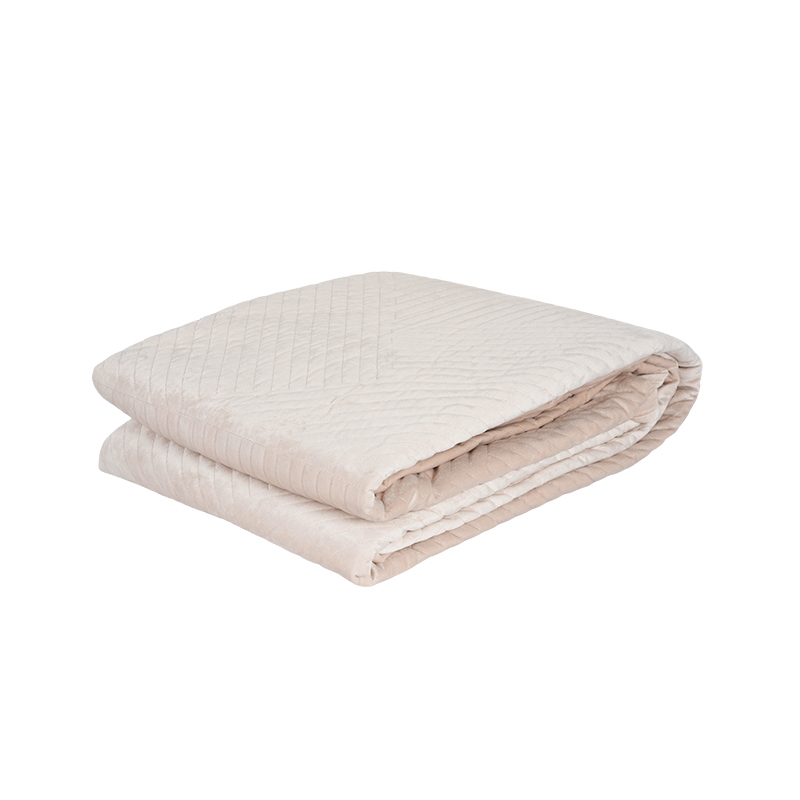
Rustic Warmly-pleasant Quilt
Crafted to embrace the essence of cozy simplicity, our Rustic Warmly-pleasant Quilt is a timeless addition to any home. This quilt combines the rustic...
View More -
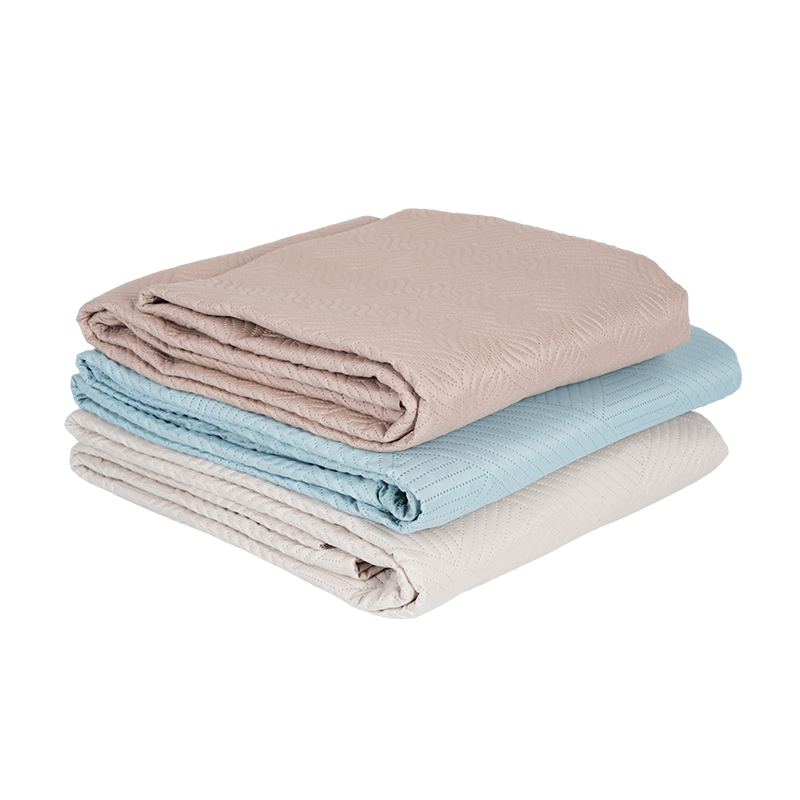
Plain Silky-smooth Quilt
Crafted with meticulous attention to detail, our Plain Silky-smooth Quilt redefines cozy living through its seamless blend of simplicity and sophistic...
View More -
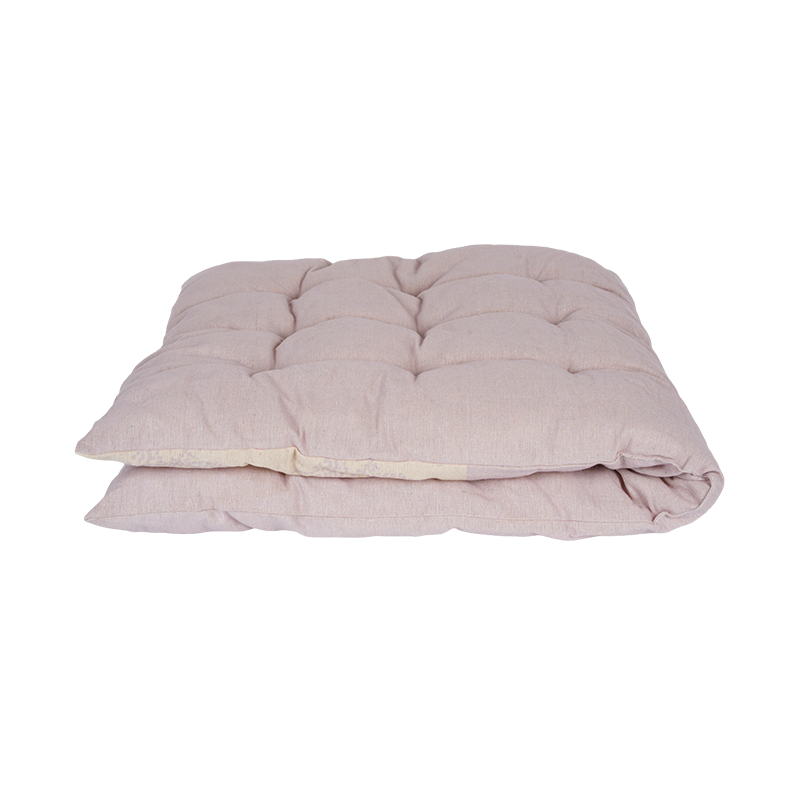
Thick Cozily-soft Quilt
Crafted to elevate your downtime, the Thick Cozily-soft Quilt is a sanctuary of texture and tranquility. This luxurious piece combines tactile indulge...
View More -
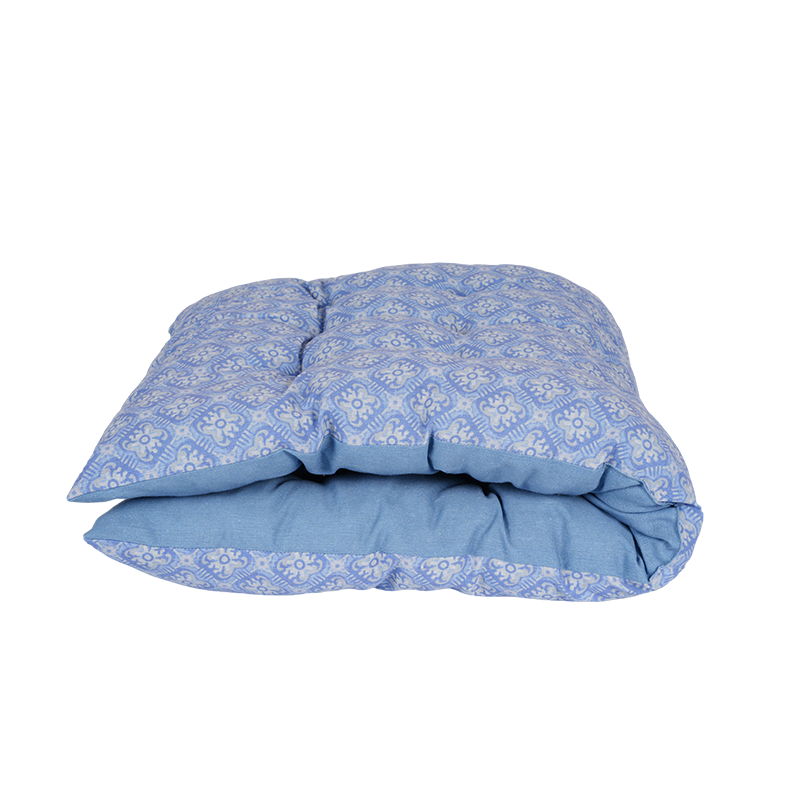
Printed Patterned-intricate Quilt
Crafted with meticulous attention to detail, our Printed Patterned Intricate Quilt combines timeless elegance with modern comfort, making it a good ad...
View More

Copyright © Pujiang County Dongxing Home Textile Crafts Co., Ltd. All Rights Reserved.

Information
-

Phone: +86 189-6797-5628
-

E-mail: [email protected]
-
 Address: No. 388, Jinlei Avenue, Pujiang County, Jinhua City, Zhejiang Province, China
Links
Contact Us
