

 English
 English
 Español
- Type:
- Industry News
- Date
- 2026-Nov-06
Industry News
Home / News / Industry News / How Can Custom Outdoor Seat Cushions Meet Different Furniture and Usage Requirements?
Outdoor seating is used in many settings, from residential patios and garden areas to hotel terraces, restaurants, and commercial outdoor spaces. However, cushions designed for these environments need to do more than complement the furniture's appearance. Buyers also need to consider dimensions, seating comfort, fabric suitability, maintenance, and the conditions in which the cushions will be used. For manufacturers and wholesale buyers, Custom Outdoor Seat Cushions offer an opportunity to match cushion designs with different furniture styles and project requirements.
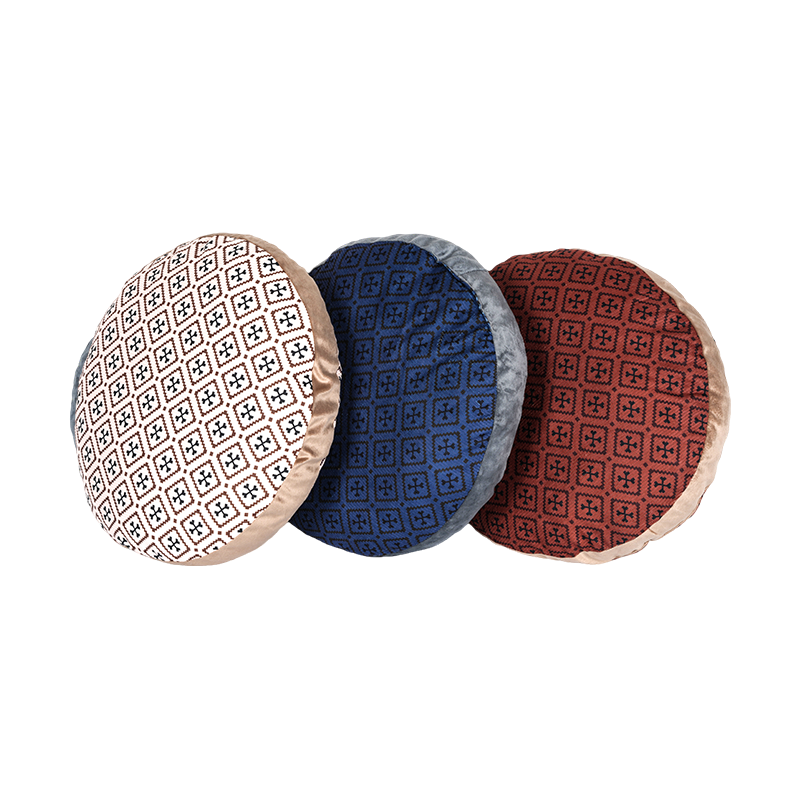
A cushion that does not fit its furniture properly can affect both appearance and everyday use. A seat cushion that is too large may extend beyond the furniture frame, while one that is too small can leave parts of the seating surface uncovered.
Before requesting a quotation, buyers should prepare accurate measurements of the seat length, width, thickness, and, where relevant, backrest dimensions. For curved or irregular furniture, photographs, templates, or drawings can help clarify the required shape.
Manufacturers can use these details to review the proposed dimensions and identify questions that need to be resolved before production. Confirming measurements and tolerances at the sampling stage can also help reduce avoidable discrepancies in larger orders.
Fabric selection should reflect the intended environment rather than appearance alone. Cushions used in covered balconies may have different requirements from those placed in open gardens, poolside areas, or commercial seating spaces.
When comparing fabric options, buyers can review several properties:
These properties can vary between fabric types and individual specifications. Buyers should therefore request relevant technical information instead of assuming that every fabric described as suitable for outdoor use provides the same performance.
The filling is another consideration when developing an outdoor cushion specification. Different filling materials and constructions can produce different levels of firmness, support, and overall feel.
Buyers should consider how the cushion will be used. A cushion for occasional decorative seating may have different requirements from one intended for restaurant chairs or frequently used lounge furniture.
Rather than selecting a filling based only on its name, procurement teams should communicate their preferred thickness, firmness, intended application, and maintenance expectations. Where possible, reviewing a sample can help buyers assess whether the proposed construction meets their practical requirements.
Customization involves more than choosing a color or pattern. The final specification may include cushion dimensions, shape, thickness, fabric, filling, edge finishing, and other construction details.
Buyers should also confirm whether the cushions need to match an existing furniture collection or follow a new project design. Consistent color references, approved samples, and clear drawings can make communication between buyers and manufacturers more efficient.
For wholesale orders, it is useful to establish which details must remain consistent across the order and which can vary between product styles. This helps both sides understand the scope of customization before production begins.
A clear inquiry gives manufacturers a better basis for evaluating production requirements and preparing quotations. Before placing a bulk order, buyers should organize the following information:
If some details are not yet finalized, buyers can identify them as pending rather than leaving them open to interpretation. This makes it easier to review samples, confirm specifications, and manage changes before an order moves forward.
Outdoor cushion projects often involve several connected decisions. A change in furniture dimensions may affect cushion shape, while a fabric selection can influence appearance, maintenance, and the information required for product evaluation.
Manufacturers need clear project information to assess these requirements and communicate which details can be supported by their actual materials and production processes. Buyers should also request confirmation of product specifications, sample arrangements, inspection expectations, and order details before approving production.
For businesses sourcing Custom Outdoor Seat Cushions, a well-defined specification is a practical starting point for achieving a suitable balance between furniture fit, comfort, appearance, and intended use. By preparing accurate measurements and discussing material and construction requirements early, buyers and manufacturers can build a clearer foundation for customized orders.
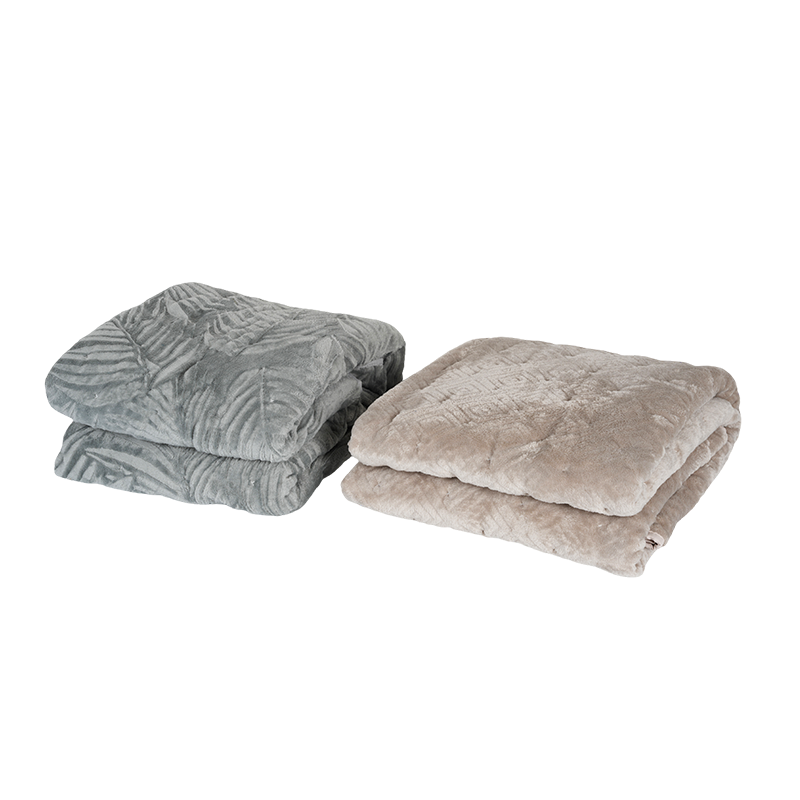
Crafted with meticulous attention to detail, our Durable Fluffy-and-Warm Quit redefines cozy comfort for any season. Whether you’re seeking a soft r...
View More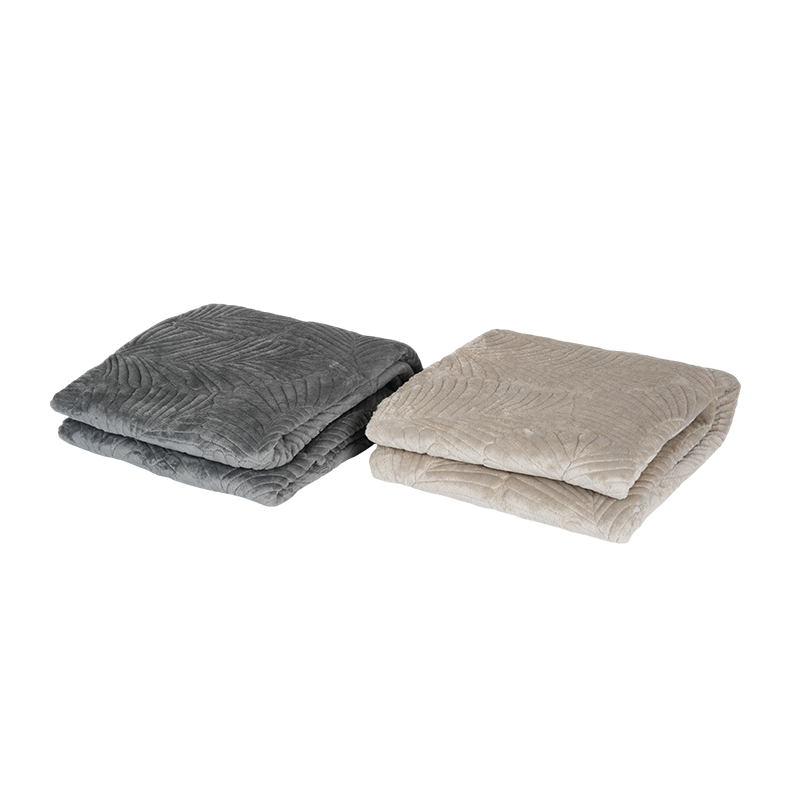
Crafted with a focus on comfort and style, our Comfortable Cottony-soft Quilt redefines cozy relaxation for any setting. Whether you’re seeking a to...
View More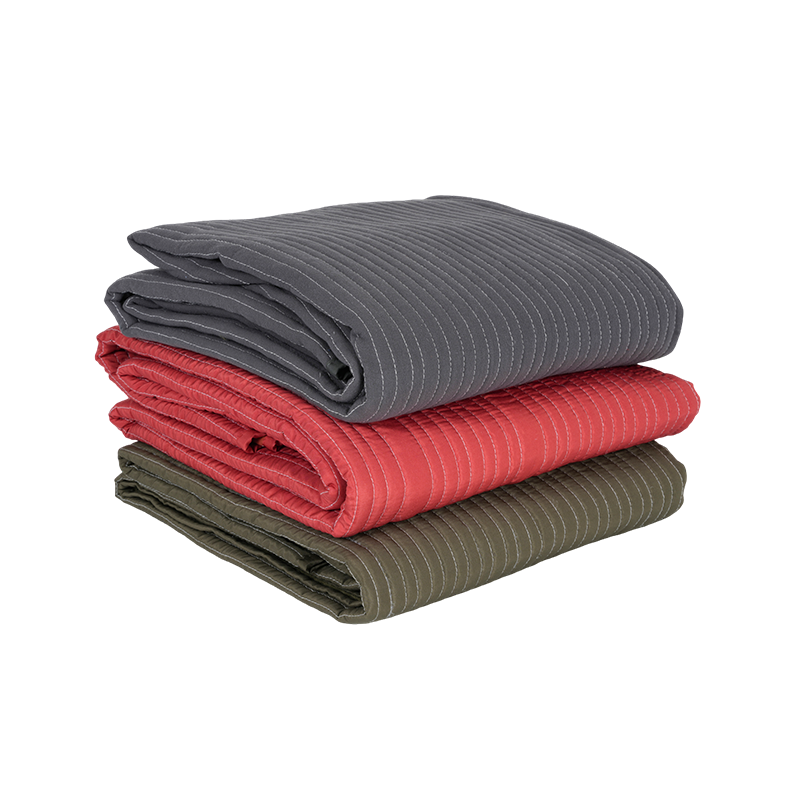
Crafted to elevate your relaxation experience, the Breathable Colorfully-vivid Quilt combines innovative textile technology with a vibrant palette, in...
View More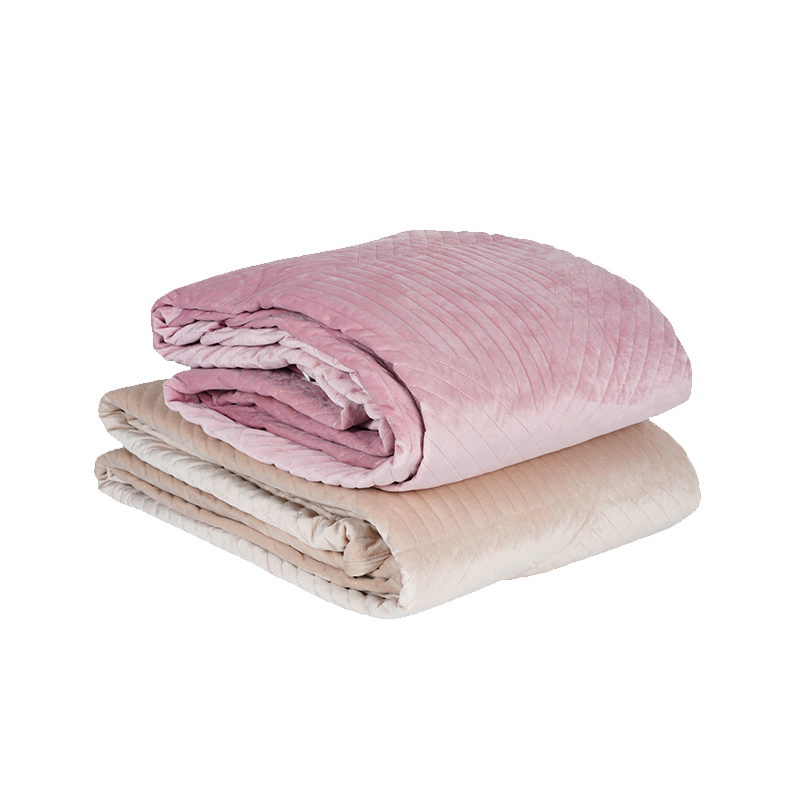
Crafted to elevate your relaxation sanctuary, the Fluffy Striped-distinct Quilt redefines cozy sophistication with its tactile allure and timeless des...
View More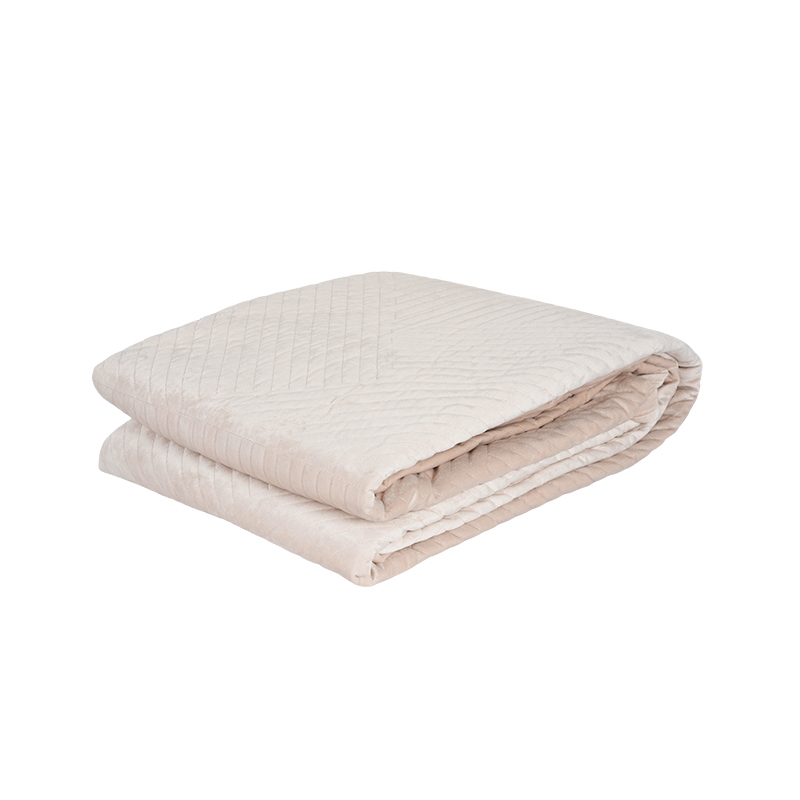
Crafted to embrace the essence of cozy simplicity, our Rustic Warmly-pleasant Quilt is a timeless addition to any home. This quilt combines the rustic...
View More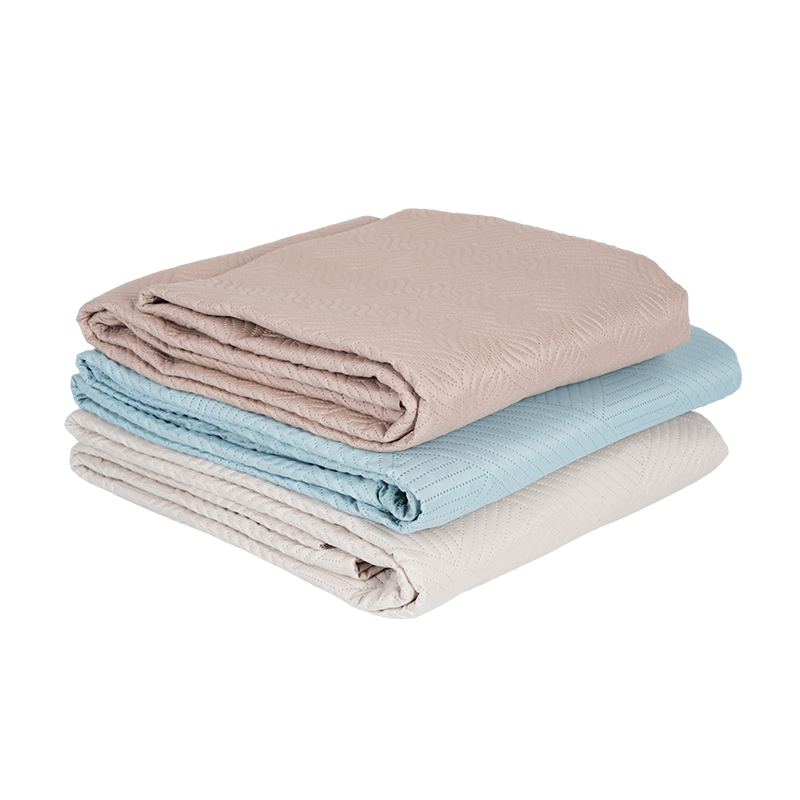
Crafted with meticulous attention to detail, our Plain Silky-smooth Quilt redefines cozy living through its seamless blend of simplicity and sophistic...
View More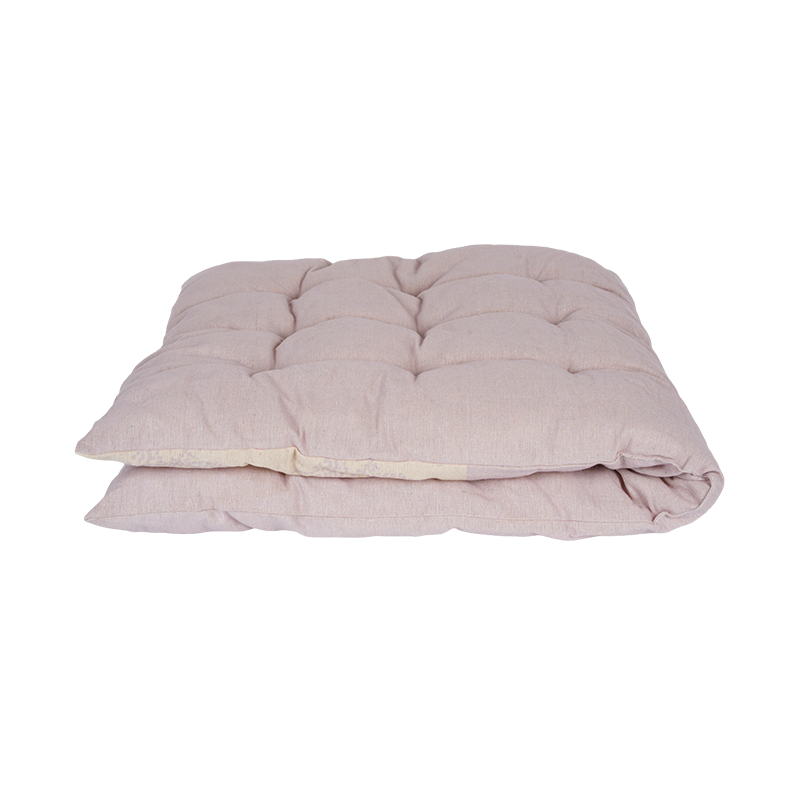
Crafted to elevate your downtime, the Thick Cozily-soft Quilt is a sanctuary of texture and tranquility. This luxurious piece combines tactile indulge...
View More
Crafted with meticulous attention to detail, our Printed Patterned Intricate Quilt combines timeless elegance with modern comfort, making it a good ad...
View More
Copyright © Pujiang County Dongxing Home Textile Crafts Co., Ltd. All Rights Reserved.


Phone: +86 189-6797-5628

E-mail: [email protected]

