

 English
 English
 Español
- Type:
- Industry News
- Date
- 2026-Oct-30
Industry News
How Can Buyers Tell If a Cotton Quilt Is Built for Long-Term Use?
A quilt can look attractive when it is new, yet its real quality becomes clearer after repeated use, washing, folding, and storage. For overseas retailers and bedding buyers, this creates a practical challenge: how can a product be evaluated before placing a larger order? When reviewing Cotton Quilts For Sale, it is useful to look beyond labels and photographs and examine the fabric, filling, quilting, finishing, and care performance as one complete product.

Start With the Fabric Construction
The word “cotton” alone does not describe the full performance of a quilt. Fabric construction, finishing, weight, texture, and fiber quality can all affect how the finished product feels and performs.
Recent bedding guidance has placed greater emphasis on actual fiber quality and construction rather than relying on marketing terms or isolated specifications. From a manufacturing perspective, buyers should ask for clear information about the outer fabric and how it is processed. This makes it easier to compare products on a consistent basis instead of choosing only by appearance.
Examine the Filling From More Than One Area
The filling should remain reasonably distributed throughout the quilt. If some sections contain noticeably more material than others, the finished product may develop an uneven appearance or feel different across the sleeping surface.
A useful sample inspection is to check the center, corners, edges, and several quilted sections. Buyers can also gently fold and handle the product to see whether the filling shifts excessively. For manufacturers, the relationship between filling, stitching, and fabric needs to be considered during development rather than corrected only after production begins.
Look Closely at the Quilting
Quilting provides both structure and visual character. More importantly, it helps keep the filling positioned within defined sections during normal use and laundering.
The stitching should be consistent, with attention given to corners, edges, intersections, and areas where different layers meet. Loose threads or uneven lines may indicate finishing issues that become more noticeable during repeated handling.
For wholesale buyers, a practical inspection should include:
- Stitch consistency across the quilt
- Secure thread ends and seams
- Even filling between quilted sections
- Clean and stable edge finishing
- Consistent appearance across the full surface
These details can tell buyers more about manufacturing control than a product photograph can.
Do Not Judge Comfort by Thickness Alone
A thicker quilt is not automatically more comfortable. The appropriate construction depends on climate, sleeping habits, season, and whether the quilt is intended to be used alone or layered with other bedding.
Current bedding trends continue to emphasize breathable and lighter-feeling materials, with cotton remaining a common choice for customers seeking comfortable bedding across warmer conditions. For manufacturers, this means product development should balance filling, fabric, quilting density, and finished weight rather than simply adding more material.
Washing Performance Should Be Discussed Early
Bedding is exposed to repeated washing, so care performance should be considered before bulk production. Fabric shrinkage, color stability, seam strength, filling movement, and surface appearance can all change during laundering.
A buyer developing a washable cotton quilt should confirm the recommended care method and test the finished construction accordingly. Recent bedding evaluations also consider washability alongside factors such as fabric strength and resistance to surface wear when assessing product performance.
For manufacturers, matching care instructions to the actual fabric and filling is an important part of responsible product development.
Consistency Is Critical for Wholesale Orders
A strong sample is useful, but it does not automatically guarantee a consistent bulk order. Retail buyers need the same dimensions, fabric appearance, filling distribution, quilting pattern, and finishing across production batches.
This is where a clear production specification becomes valuable. Before manufacturing begins, the buyer and factory should confirm the finished size, material composition, stitching details, color reference, packaging, labeling, and inspection requirements. The more clearly these points are defined, the easier it becomes to maintain consistency across repeat orders.
Choose Construction Over Marketing Claims
Cotton remains relevant in bedding because consumers commonly associate it with comfort, reliability, softness, and breathability. Industry consumer research continues to show strong interest in cotton-rich bedding and these practical attributes.
For manufacturers and buyers, however, the material name should be the beginning of the evaluation rather than the conclusion. When comparing Cotton Quilts For Sale, examining fabric construction, filling distribution, quilting, washing performance, finishing, and batch consistency provides a much clearer basis for purchasing decisions. A well-developed cotton quilt should not depend on exaggerated claims; its value should be evident in the way it is made and how reliably it performs in everyday use.
Related Products
-
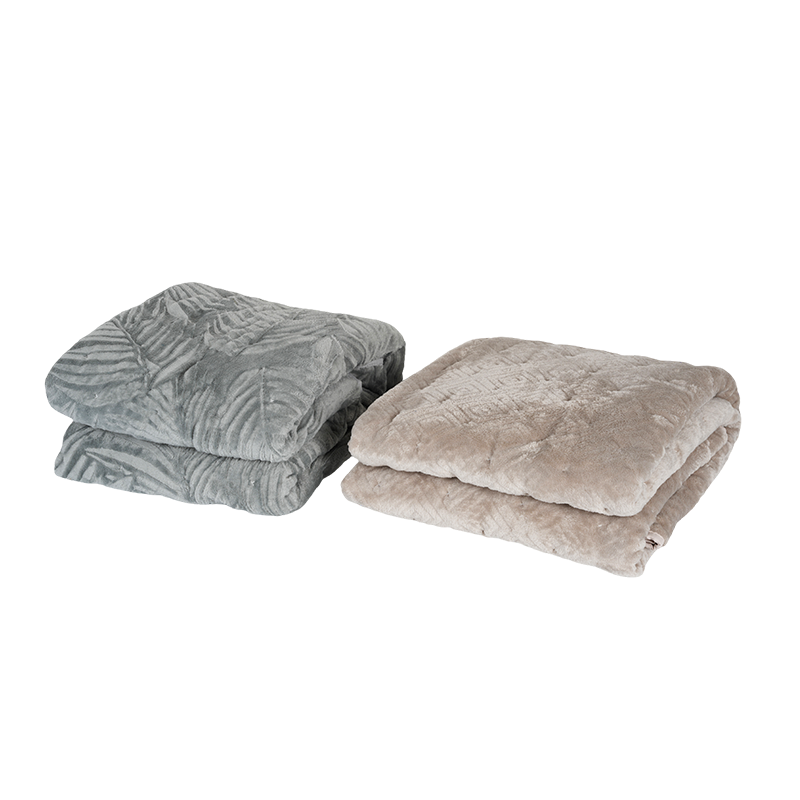
Durable Fluffy-and-warm Quilt
Crafted with meticulous attention to detail, our Durable Fluffy-and-Warm Quit redefines cozy comfort for any season. Whether you’re seeking a soft r...
View More -
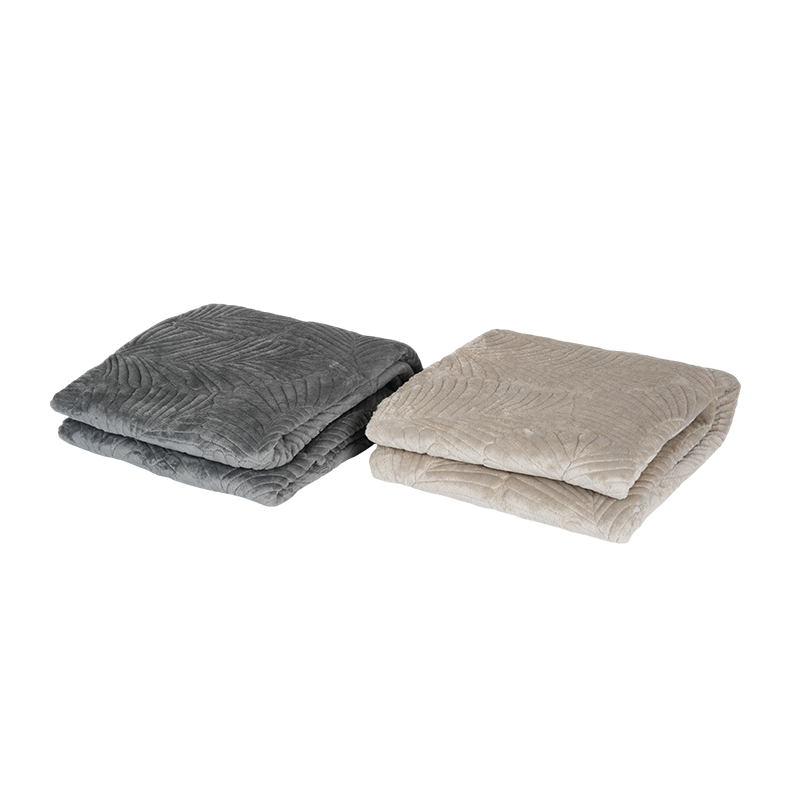
Comfortable Cottony-soft Quilt
Crafted with a focus on comfort and style, our Comfortable Cottony-soft Quilt redefines cozy relaxation for any setting. Whether you’re seeking a to...
View More -
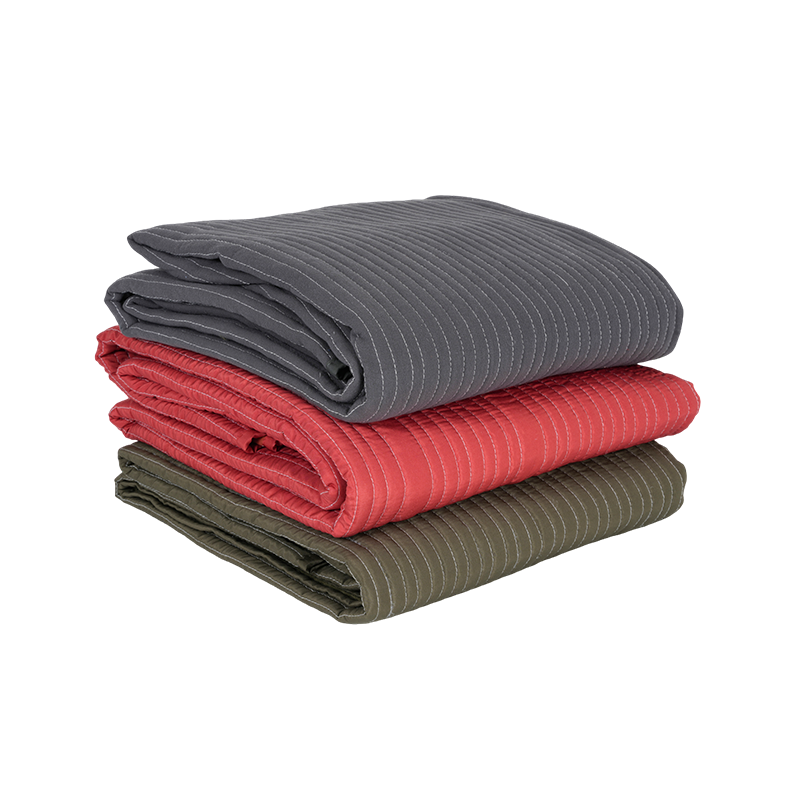
Breathable Colorfully-vivid Quilt
Crafted to elevate your relaxation experience, the Breathable Colorfully-vivid Quilt combines innovative textile technology with a vibrant palette, in...
View More -
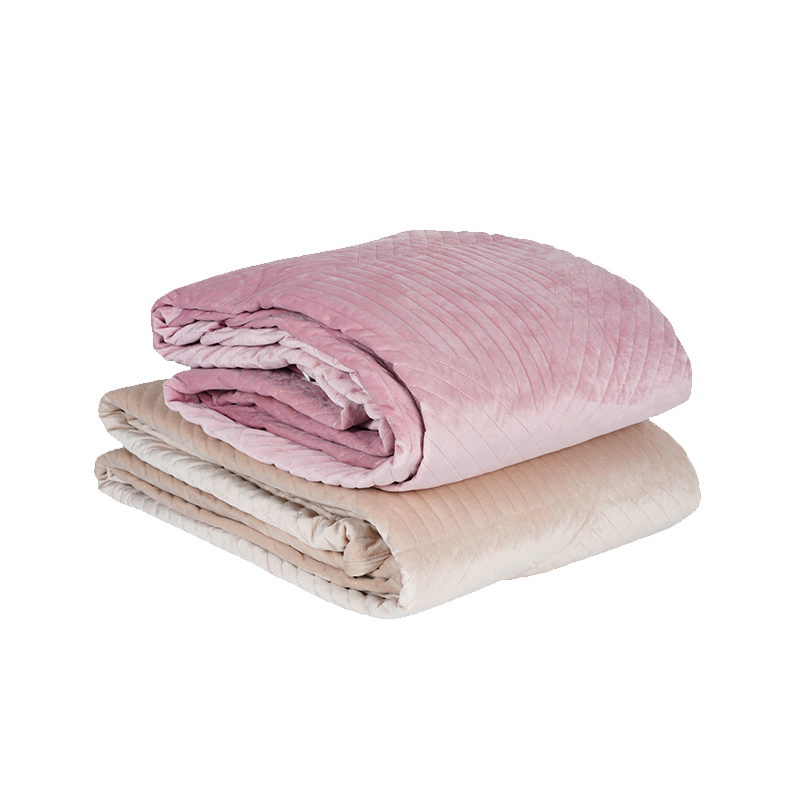
Fluffy Striped-distinct Quilt
Crafted to elevate your relaxation sanctuary, the Fluffy Striped-distinct Quilt redefines cozy sophistication with its tactile allure and timeless des...
View More -
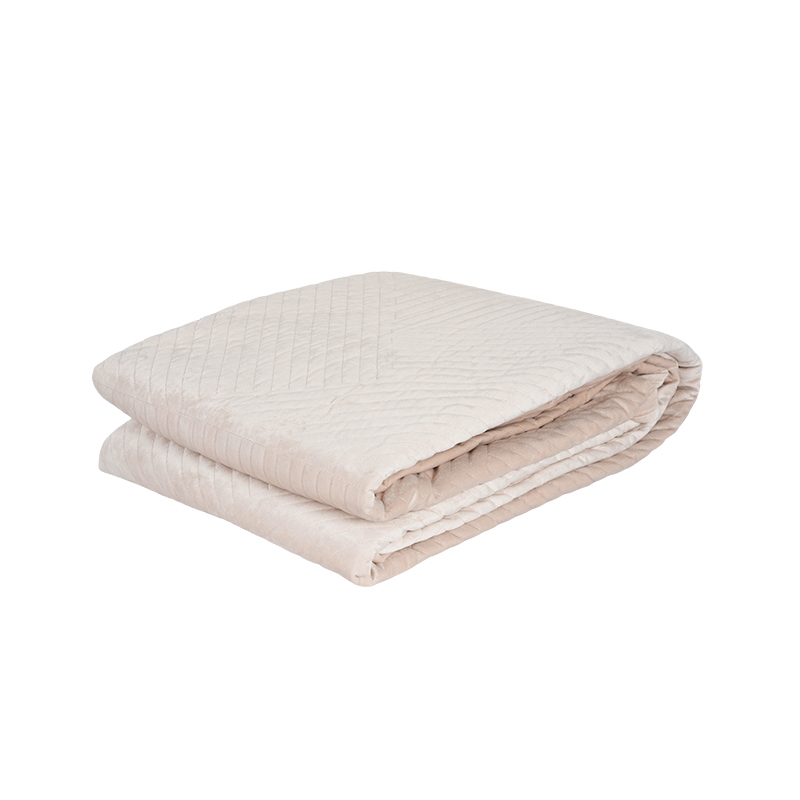
Rustic Warmly-pleasant Quilt
Crafted to embrace the essence of cozy simplicity, our Rustic Warmly-pleasant Quilt is a timeless addition to any home. This quilt combines the rustic...
View More -
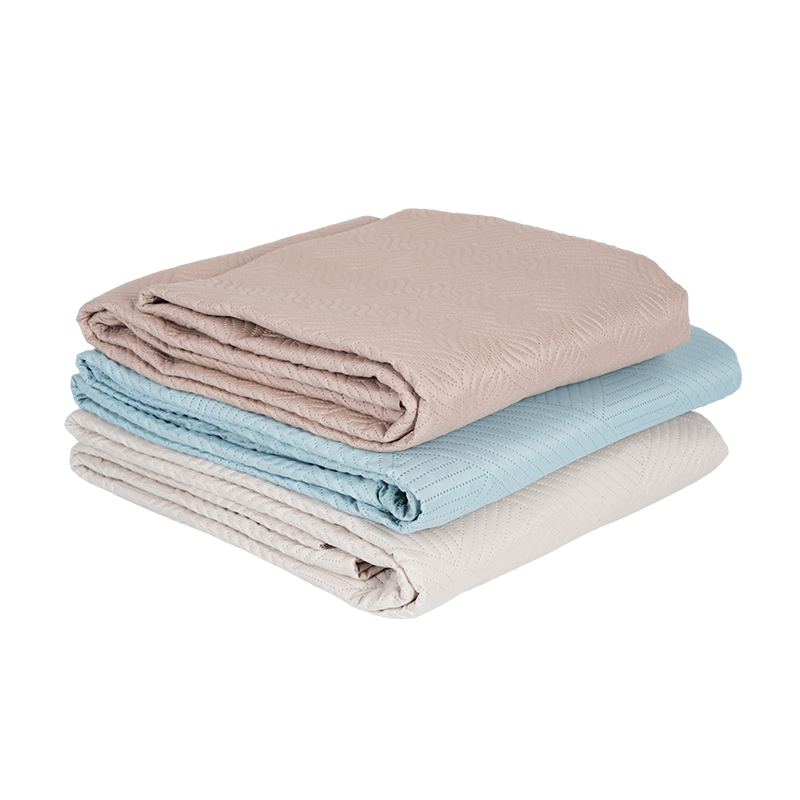
Plain Silky-smooth Quilt
Crafted with meticulous attention to detail, our Plain Silky-smooth Quilt redefines cozy living through its seamless blend of simplicity and sophistic...
View More -
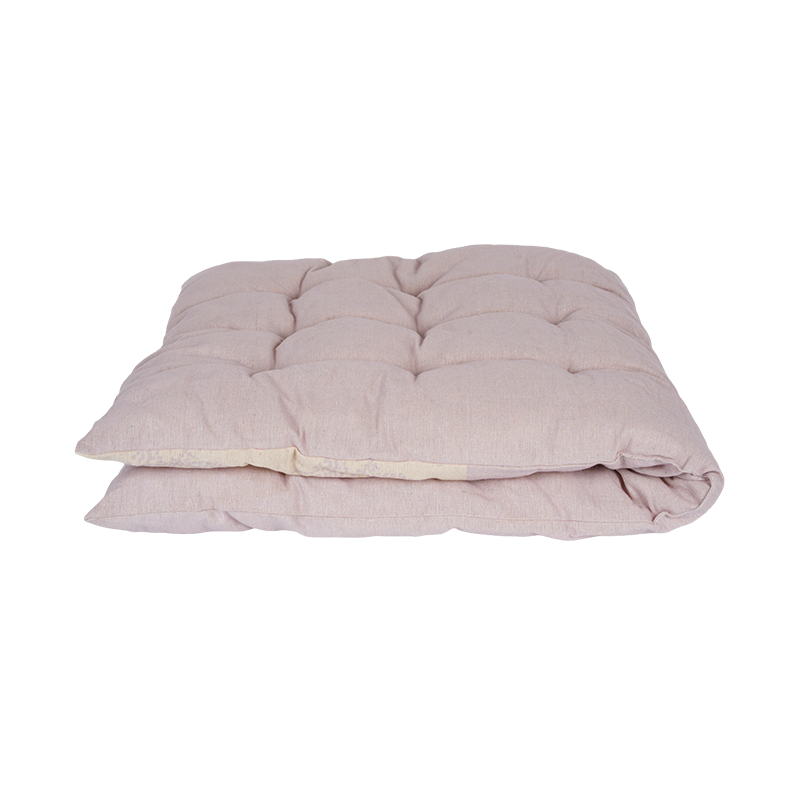
Thick Cozily-soft Quilt
Crafted to elevate your downtime, the Thick Cozily-soft Quilt is a sanctuary of texture and tranquility. This luxurious piece combines tactile indulge...
View More -
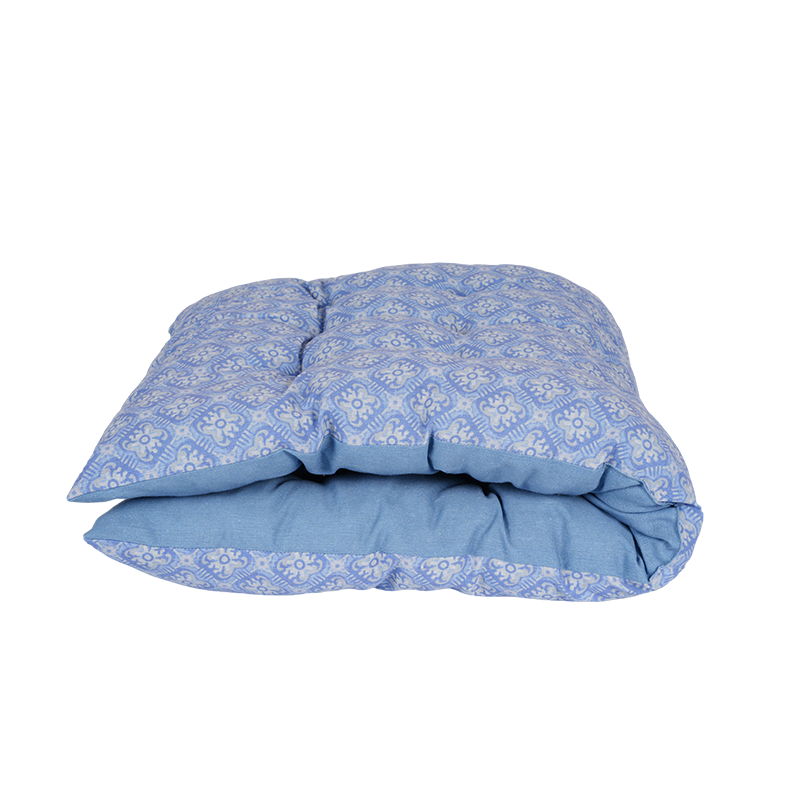
Printed Patterned-intricate Quilt
Crafted with meticulous attention to detail, our Printed Patterned Intricate Quilt combines timeless elegance with modern comfort, making it a good ad...
View More

Copyright © Pujiang County Dongxing Home Textile Crafts Co., Ltd. All Rights Reserved.

Information
-

Phone: +86 189-6797-5628
-

E-mail: [email protected]
-
 Address: No. 388, Jinlei Avenue, Pujiang County, Jinhua City, Zhejiang Province, China
Links
Contact Us
