

 English
 English
 Español
- Type:
- Industry News
- Date
- 2026-Oct-23
Industry News
How Can Cotton Quilts Be Designed for Different Seasons and Markets?
Bedding buyers serving overseas markets often face a simple but important question: should one quilt construction be used throughout the year, or should the product range change with seasonal demand? Cotton bedding remains relevant because buyers associate it with comfort, breathability, and everyday practicality. However, the right product structure depends on climate, sleeping habits, retail positioning, and how customers intend to layer their bedding. For businesses sourcing Cotton Quilts For Sale, understanding these differences can help create a more practical product range instead of relying on one construction for every market.

Start With the Climate, Not the Calendar
Seasonal demand is not identical across countries. A quilt suitable for a cool autumn market may feel too heavy in a warm or humid region. Likewise, customers in colder climates may expect a quilt that provides additional insulation or can be layered with other bedding.
From a manufacturing perspective, product development should begin with the intended environment. Lightweight constructions can be considered for warmer conditions, while more substantial designs may be appropriate for cooler seasons. This approach allows buyers to build collections around actual customer needs rather than simply assigning products to spring, summer, autumn, or winter.
Lightweight Does Not Mean Less Useful
A lighter quilt can serve several purposes beyond warm-weather sleeping. It can work as a standalone layer, an additional cover during transitional weather, or part of a layered bedding arrangement.
Current bedding coverage continues to emphasize lightweight and breathable materials for people who prefer less heat during sleep. Cotton is frequently discussed in this context because its fiber structure can support air movement and moisture absorption.
For manufacturers, the challenge is to balance fabric, filling, quilting, and finished weight. Simply reducing material is not enough; the finished quilt still needs appropriate structure, coverage, and durability for its intended use.
Build a Range Instead of One Standard Product
Wholesale buyers can often benefit from offering several related constructions rather than relying on a single quilt specification. A product range might distinguish itself through:
- Different finished weights for warmer and cooler conditions
- Multiple fabric textures or surface finishes
- Seasonal colors and patterns
- Different bed sizes for target markets
- Lightweight and layered-use options
This type of assortment can give retailers more flexibility when responding to seasonal changes. Recent wholesale bedding research also shows that quilts and coverlets are being stocked across a wide range of retail and home-focused channels, with buyers looking for different aesthetics and functional roles.
Pay Attention to the Quilting Structure
The quilting pattern influences more than appearance. It helps control how filling is distributed and can affect the way a quilt folds, drapes, and behaves during washing.
For a manufacturer, the stitching pattern should match the selected filling and fabric construction. Large quilted sections may create a different hand feel from smaller stitched areas, while edge construction affects how the finished product holds its shape.
Buyers developing private-label bedding should therefore evaluate the complete construction rather than choosing a pattern only because it looks attractive in product photographs.
Make Materials Part of the Product Story
Cotton continues to have a strong position in bedding because consumers often associate it with softness, comfort, breathability, and reliability. Cotton-focused industry research also indicates continued consumer interest in cotton-rich bedding and natural-fiber characteristics.
However, manufacturers should avoid treating “cotton” as a complete specification. Buyers need to understand the fabric construction, filling composition, finishing process, care requirements, and intended use. Clear material information makes it easier for retailers to position the product accurately and avoid exaggerated claims.
Consider Washing and Long-Term Handling
Seasonal bedding is still a practical product that may be washed and stored repeatedly. This makes care performance important when selecting a quilt for retail or hospitality use.
Before bulk production, buyers should confirm washing instructions and evaluate how the fabric, filling, seams, and quilting respond to the expected care process. Proper finishing and consistent stitching can help maintain the product's appearance and structure through normal handling.
Plan the Collection Around the Customer
A successful bedding range does not need to contain every possible construction. It needs to contain products that make sense for the market being served. For a manufacturer, this means discussing climate, target customer, preferred fabric, finished size, seasonal positioning, packaging, and expected care before production begins.
For buyers comparing Cotton Quilts For Sale, this broader approach can make product selection more effective. Instead of asking which quilt is suitable for everyone, it is more useful to determine which cotton quilt construction fits a particular climate, season, retail channel, and customer expectation. That can create a more coherent product range while giving buyers greater flexibility as market demand changes.
Related Products
-
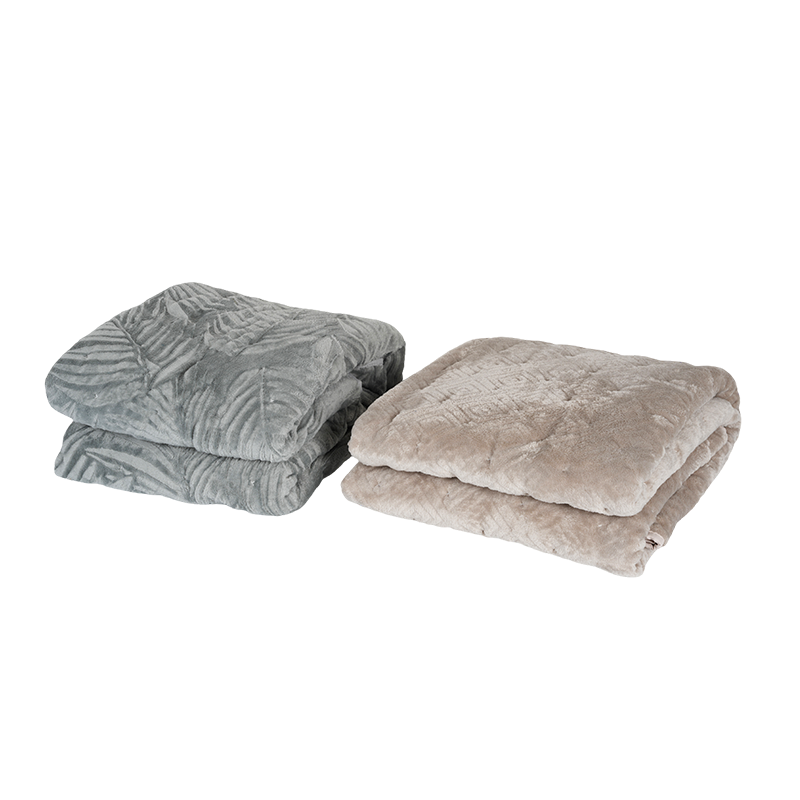
Durable Fluffy-and-warm Quilt
Crafted with meticulous attention to detail, our Durable Fluffy-and-Warm Quit redefines cozy comfort for any season. Whether you’re seeking a soft r...
View More -
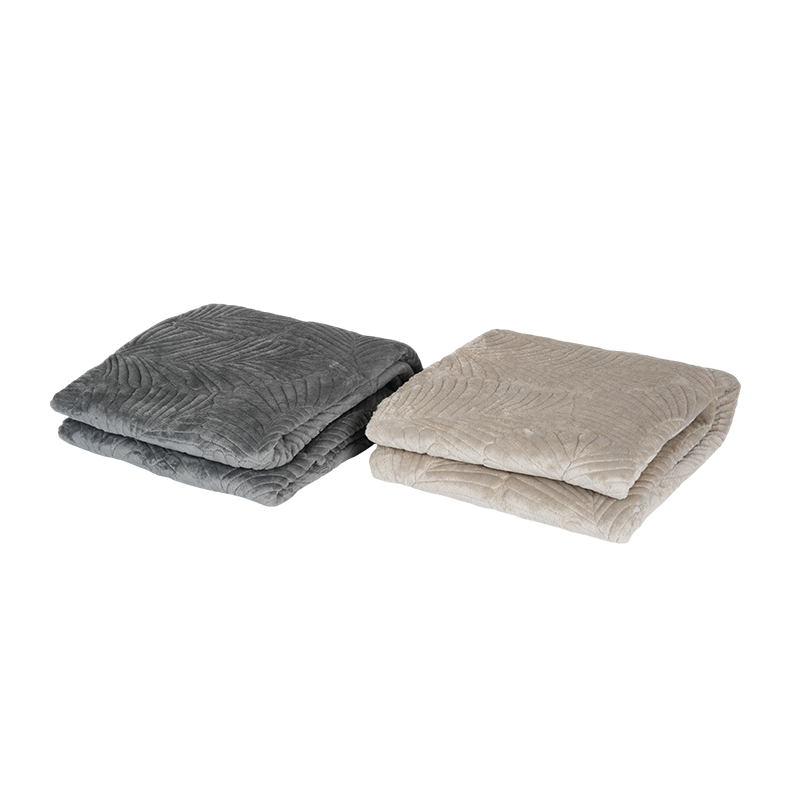
Comfortable Cottony-soft Quilt
Crafted with a focus on comfort and style, our Comfortable Cottony-soft Quilt redefines cozy relaxation for any setting. Whether you’re seeking a to...
View More -
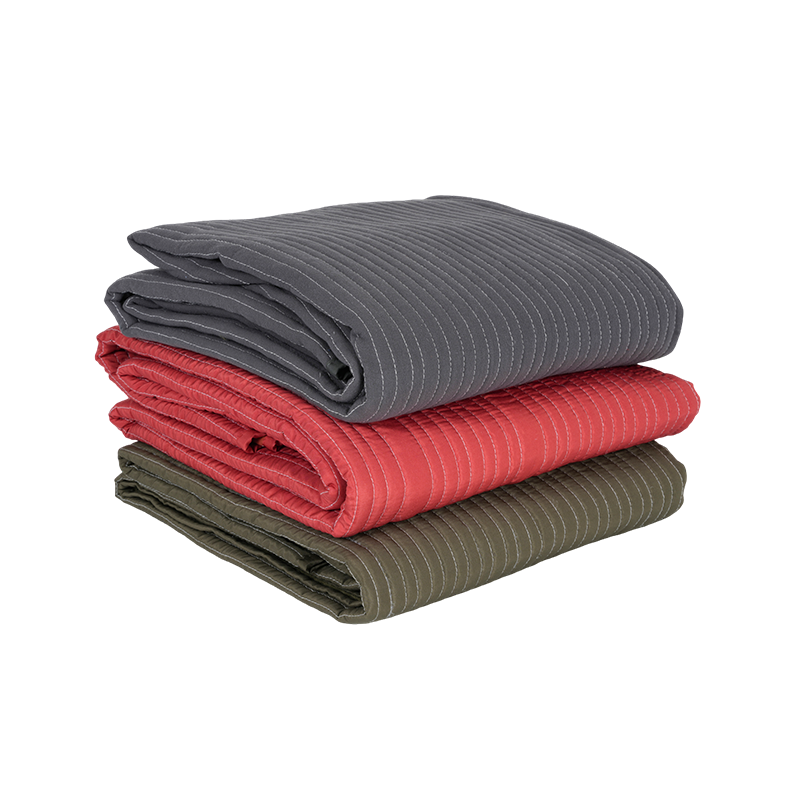
Breathable Colorfully-vivid Quilt
Crafted to elevate your relaxation experience, the Breathable Colorfully-vivid Quilt combines innovative textile technology with a vibrant palette, in...
View More -
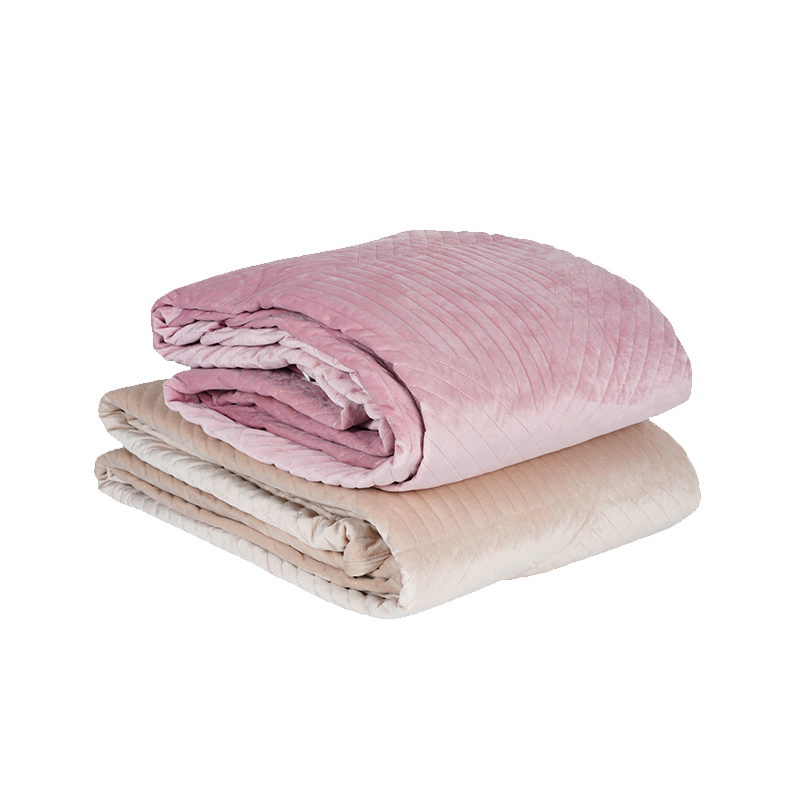
Fluffy Striped-distinct Quilt
Crafted to elevate your relaxation sanctuary, the Fluffy Striped-distinct Quilt redefines cozy sophistication with its tactile allure and timeless des...
View More -
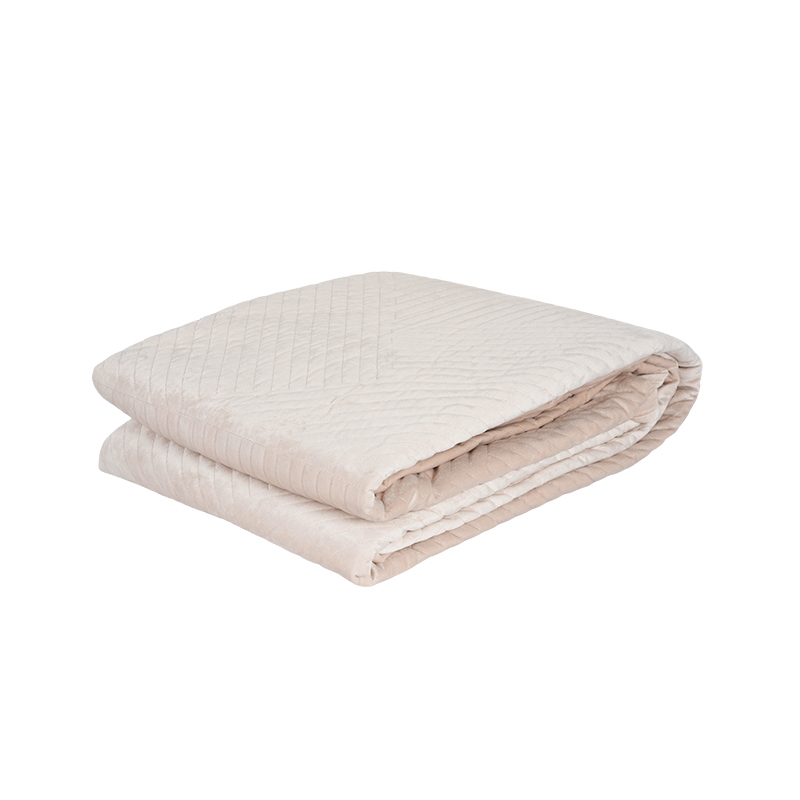
Rustic Warmly-pleasant Quilt
Crafted to embrace the essence of cozy simplicity, our Rustic Warmly-pleasant Quilt is a timeless addition to any home. This quilt combines the rustic...
View More -
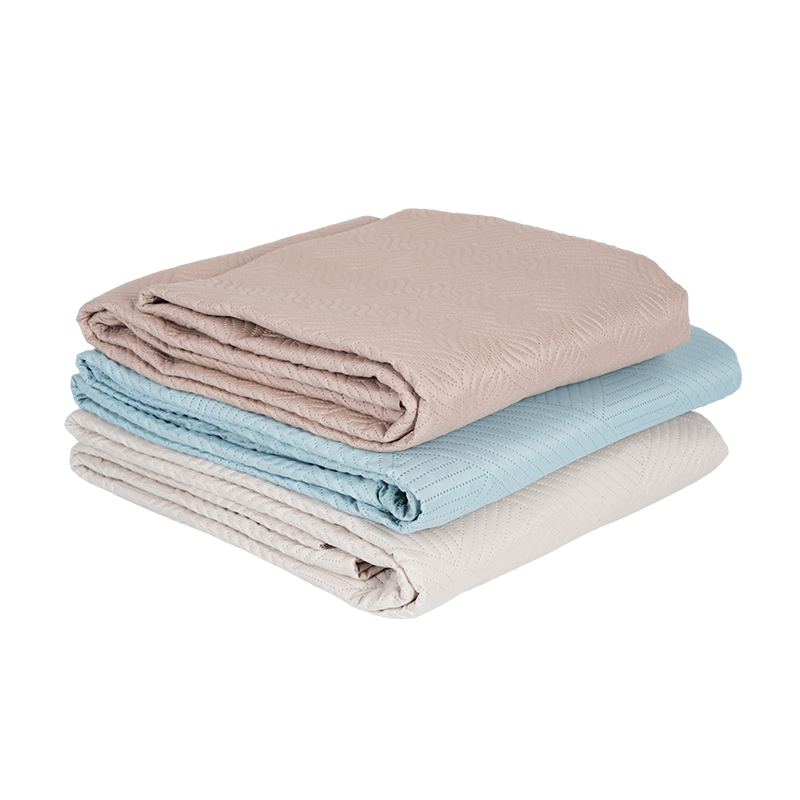
Plain Silky-smooth Quilt
Crafted with meticulous attention to detail, our Plain Silky-smooth Quilt redefines cozy living through its seamless blend of simplicity and sophistic...
View More -
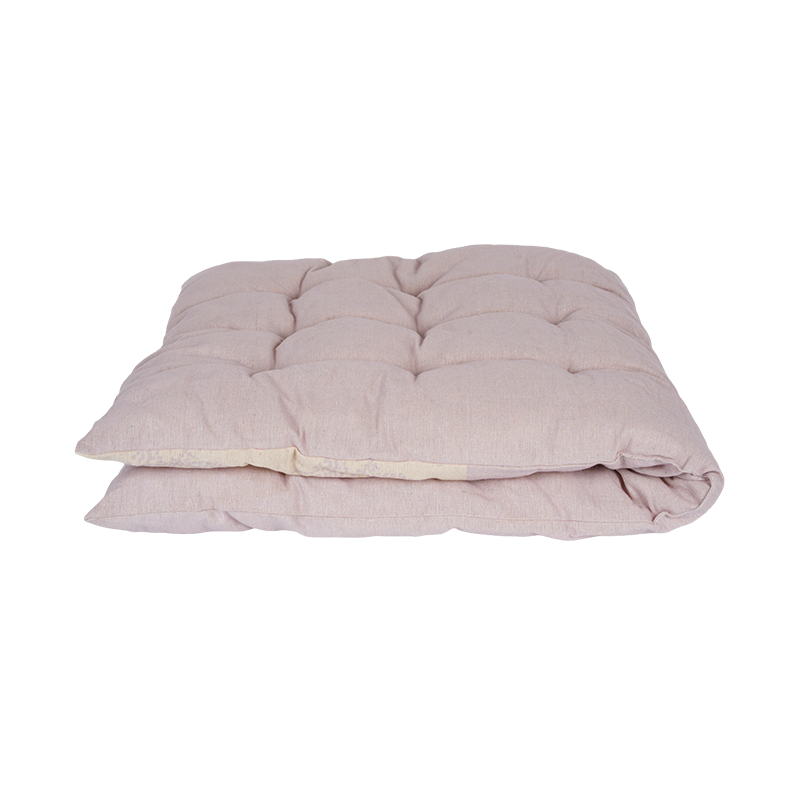
Thick Cozily-soft Quilt
Crafted to elevate your downtime, the Thick Cozily-soft Quilt is a sanctuary of texture and tranquility. This luxurious piece combines tactile indulge...
View More -
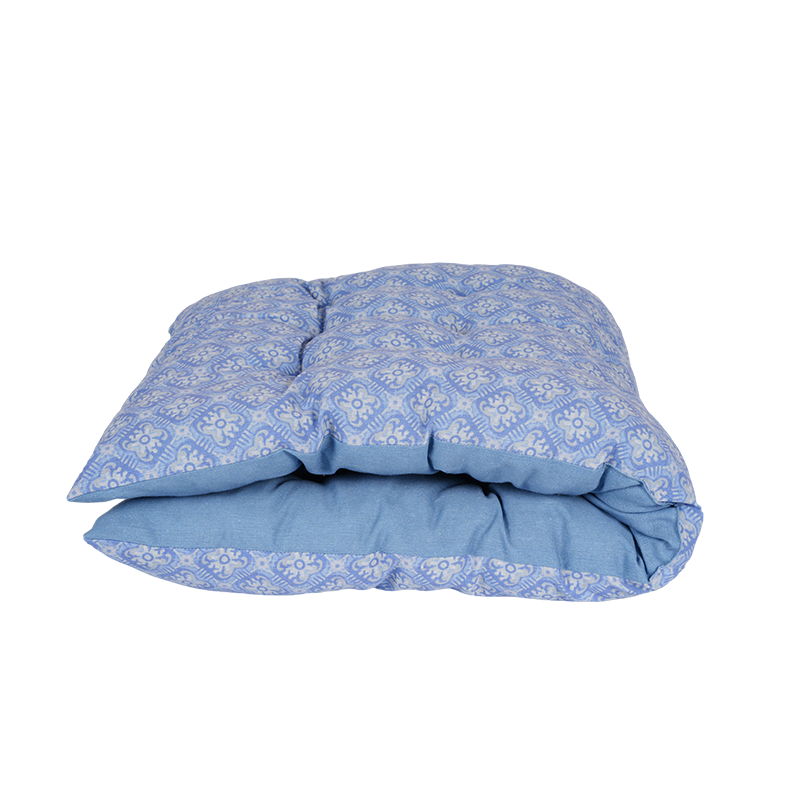
Printed Patterned-intricate Quilt
Crafted with meticulous attention to detail, our Printed Patterned Intricate Quilt combines timeless elegance with modern comfort, making it a good ad...
View More

Copyright © Pujiang County Dongxing Home Textile Crafts Co., Ltd. All Rights Reserved.

Information
-

Phone: +86 189-6797-5628
-

E-mail: [email protected]
-
 Address: No. 388, Jinlei Avenue, Pujiang County, Jinhua City, Zhejiang Province, China
Links
Contact Us
