

 English
 English
 Español
- Type:
- Industry News
- Date
- 2026-Nov-27
Industry News
Home / News / Industry News / How Can Outdoor Cushion Design Keep Furniture Collections Visually Consistent?
Outdoor furniture is increasingly designed as an extension of indoor living spaces. Patios, balconies, gardens, poolside areas, and hospitality terraces are often arranged with coordinated furniture, accessories, and decorative details. In this setting, cushions do more than provide seating comfort; they also influence the overall appearance of an outdoor collection. For furniture brands and wholesale buyers, developing Custom Outdoor Seat Cushions involves decisions about color, fabric texture, pattern, and production consistency. A visually attractive sample is a good starting point, but maintaining the same design direction across different sizes and production batches requires careful planning.
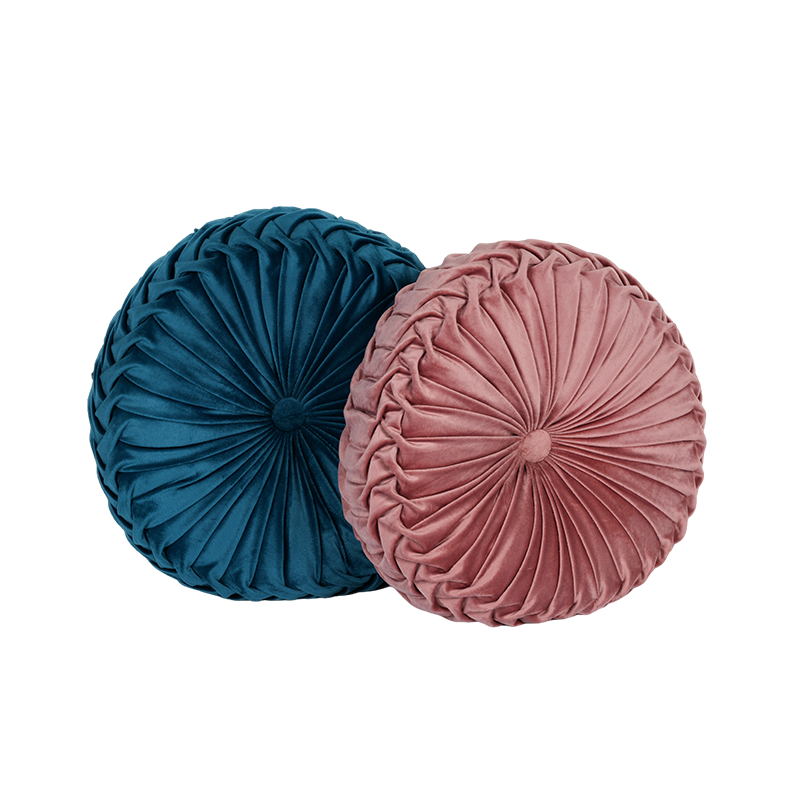
Color preferences can vary between customer groups and product categories. Residential garden furniture may use softer neutral shades, while hospitality projects may require colors that match an existing brand identity or outdoor design scheme.
Rather than selecting colors only from current fashion trends, buyers should consider the furniture frame, surrounding materials, target customer, and intended sales channel. Neutral tones can be easier to coordinate across different furniture styles, while stronger colors may help a collection establish a more recognizable visual identity.
Manufacturers can support this process by presenting available fabric colors and helping buyers assess how different options work with the product structure.
Two cushions in the same color can create different visual effects when their fabrics have different textures. A smooth surface may suit a clean, contemporary furniture design, while a woven texture can give a seating collection a more relaxed appearance.
Texture also needs to be considered in relation to practical use. Outdoor cushions may be handled frequently, exposed to dust, or cleaned as part of routine maintenance. Buyers should review the fabric sample under realistic lighting and consider how its surface looks after ordinary handling.
When comparing materials, it is useful to evaluate both appearance and suitability for the intended outdoor environment instead of treating these as separate decisions.
Patterns can make an outdoor furniture collection more distinctive, but they introduce additional production considerations. A design that looks balanced on a large sofa cushion may appear crowded or incomplete on a smaller chair seat.
Buyers should check how pattern placement changes across different dimensions. Repeating patterns may require alignment during cutting and sewing, while directional designs need consistent orientation. These details can influence material consumption and production planning.
For coordinated furniture collections, manufacturers should review representative sizes before finalizing the pattern layout. This helps identify visual differences that may not be obvious from a single sample.
Color variation is a concern when buyers order multiple cushion sizes or reorder products over time. Differences between fabric batches, lighting conditions, and production stages can affect how colors appear.
To reduce avoidable discrepancies, buyers and manufacturers should establish a confirmed color reference before bulk production. Practical steps include:
A clear approval process gives both parties a more reliable reference when checking finished products.
Cushion design should be considered alongside the furniture it will accompany. Frame finishes, wood tones, metal components, woven structures, and outdoor rugs can all influence the final appearance.
For example, a cushion selected in isolation may look suitable on a fabric sample card but create a different impression when placed against a dark metal frame or natural wood surface. Buyers should therefore evaluate the cushion and furniture together whenever possible.
For projects involving several furniture styles, a coordinated color palette can help create visual consistency without requiring every product to use exactly the same fabric.
Furniture brands and hospitality buyers may want cushions that reflect their visual identity. Depending on the product design and manufacturing capabilities, customization can include selected fabric colors, piping details, decorative stitching, labels, or other finishing elements.
These details should be discussed early because they may affect material selection, sewing arrangements, sample approval, and production scheduling. Buyers should also consider whether branded details need to remain consistent across different cushion shapes and sizes.
Successful cushion customization requires coordination between design preferences and manufacturing conditions. Color references, fabric availability, pattern placement, sewing details, and batch consistency all influence the final result. As a manufacturer of Custom Outdoor Seat Cushions, we encourage overseas buyers to evaluate cushions as part of the complete furniture collection rather than as separate decorative accessories. By confirming visual references and production requirements before bulk ordering, furniture brands, retailers, and project suppliers can develop coordinated outdoor seating products that better reflect their market positioning and customer expectations.
Crafted with meticulous attention to detail, our Durable Fluffy-and-Warm Quit redefines cozy comfort for any season. Whether you’re seeking a soft r...
View More
Crafted with a focus on comfort and style, our Comfortable Cottony-soft Quilt redefines cozy relaxation for any setting. Whether you’re seeking a to...
View More
Crafted to elevate your relaxation experience, the Breathable Colorfully-vivid Quilt combines innovative textile technology with a vibrant palette, in...
View More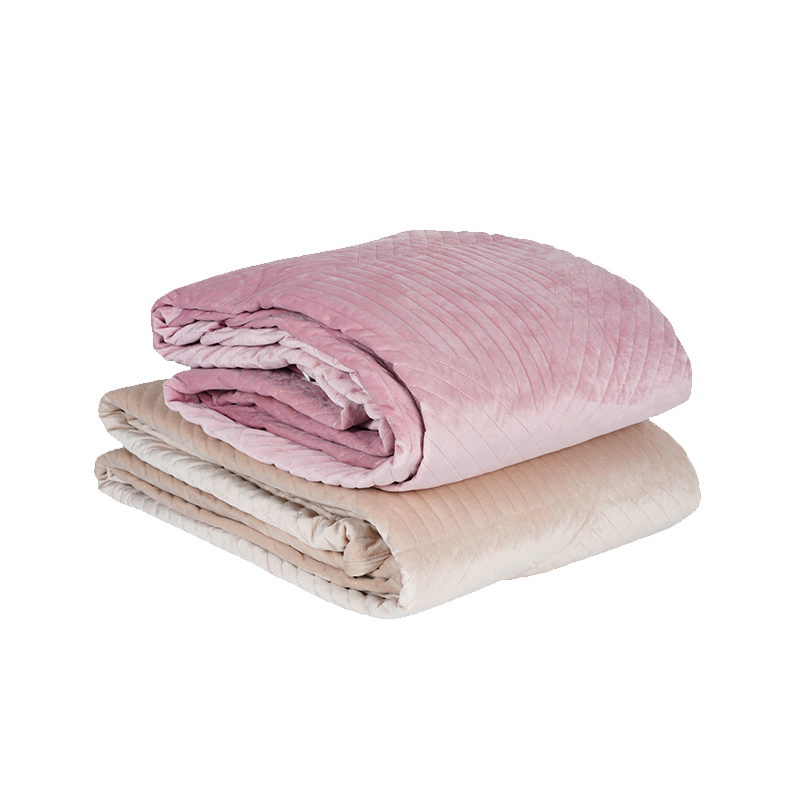
Crafted to elevate your relaxation sanctuary, the Fluffy Striped-distinct Quilt redefines cozy sophistication with its tactile allure and timeless des...
View More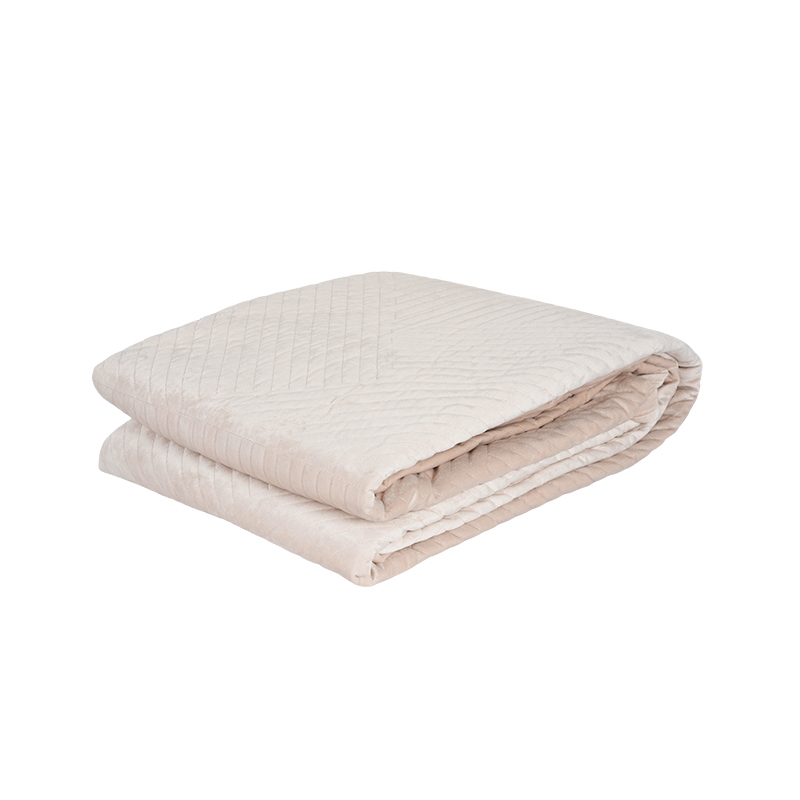
Crafted to embrace the essence of cozy simplicity, our Rustic Warmly-pleasant Quilt is a timeless addition to any home. This quilt combines the rustic...
View More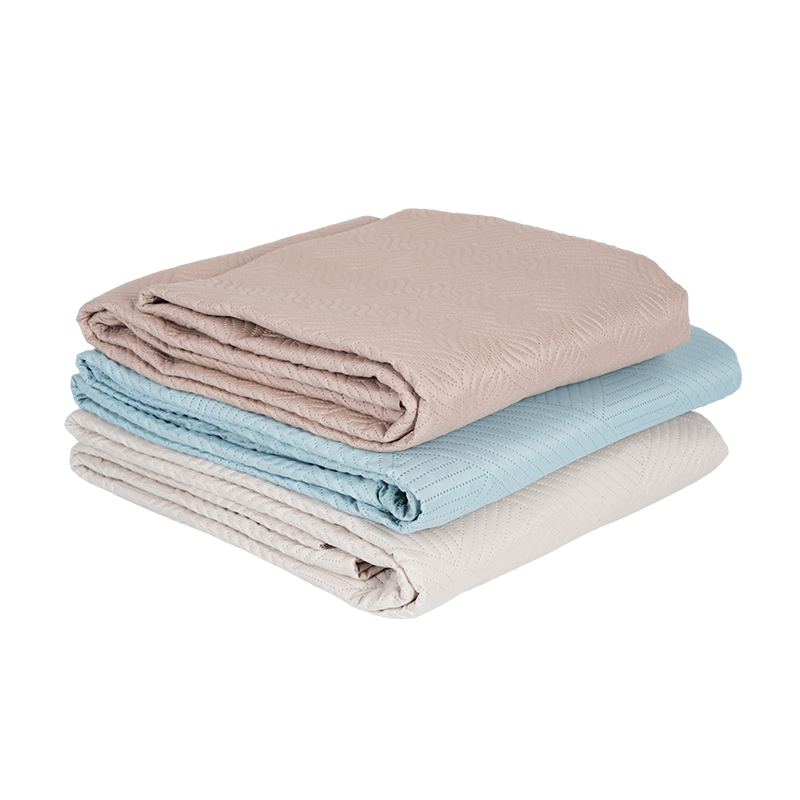
Crafted with meticulous attention to detail, our Plain Silky-smooth Quilt redefines cozy living through its seamless blend of simplicity and sophistic...
View More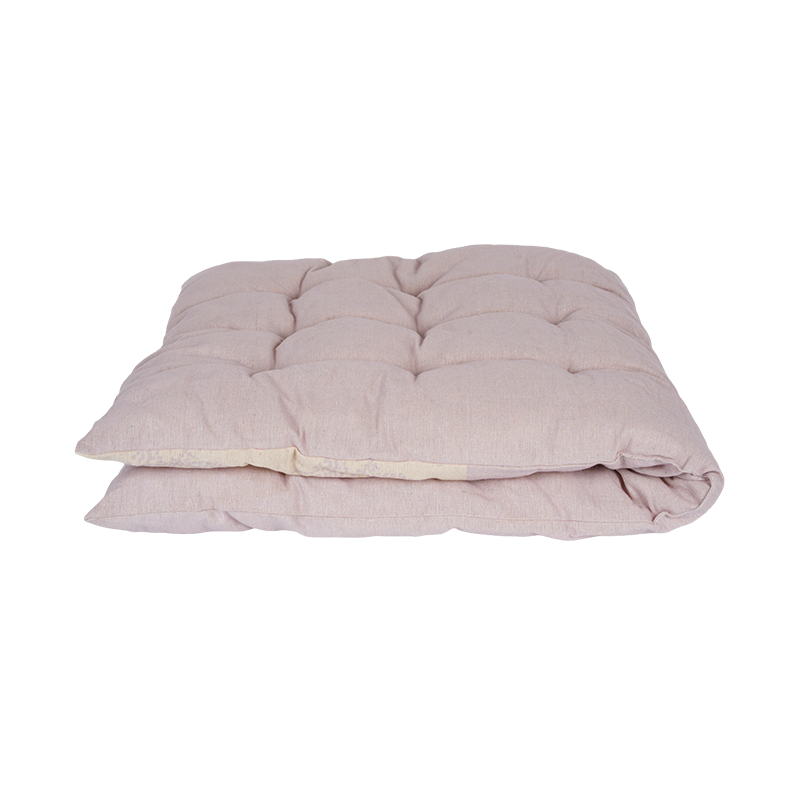
Crafted to elevate your downtime, the Thick Cozily-soft Quilt is a sanctuary of texture and tranquility. This luxurious piece combines tactile indulge...
View More
Crafted with meticulous attention to detail, our Printed Patterned Intricate Quilt combines timeless elegance with modern comfort, making it a good ad...
View More
Copyright © Pujiang County Dongxing Home Textile Crafts Co., Ltd. All Rights Reserved.


Phone: +86 189-6797-5628

E-mail: [email protected]

