

 English
 English
 Español
- Type:
- Industry News
- Date
- 2026-Nov-20
Industry News
Can Modular Cushion Design Make Outdoor Furniture Easier to Manage?
Outdoor furniture collections often include different chair styles, sofa sections, benches, and loungers. For furniture brands, retailers, and hospitality buyers, supplying a matching set of cushions for every furniture model can create challenges in product development, inventory planning, and replacement management. Custom Outdoor Seat Cushions offer an opportunity to address these issues through more organized sizing and product configurations. Instead of treating every cushion as a completely separate item, buyers can work with manufacturers to develop a coordinated range that balances furniture compatibility with practical production and storage requirements.

Why Cushion Standardization Matters
A furniture collection may contain several seating products with similar proportions but slightly different dimensions. If every cushion is developed independently, the result can be a large number of specifications that are difficult to manage.
Standardized sizing can simplify purchasing when multiple furniture models share compatible seat dimensions. However, standardization should not mean forcing one cushion to fit every chair. Manufacturers need to review the furniture structure and identify where dimensions can be shared without compromising fit or appearance.
For buyers, a clear size system also makes it easier to organize product listings, communicate specifications to distributors, and plan future orders.
Consider Modular Sizes for Larger Furniture Collections
Modular design is particularly useful for outdoor sofas and sectional seating. A collection may include single seats, corner units, and extended sections that need coordinated cushions.
A manufacturer can help buyers develop a size family based on common furniture modules. For example, several seating configurations may share the same cushion depth while using different widths or corner shapes. This approach can reduce unnecessary variation while preserving the intended layout.
Before confirming a modular range, buyers should check:
- Seat width and depth across each furniture model
- Differences between corner and center sections
- Cushion thickness and backrest dimensions
- Position of seams, ties, and attachment points
- Whether replacement cushions need to match existing products
These checks help prevent a standardized design from creating fitting problems later.
Balance Customization With Inventory Planning
Retailers often need to offer customers several colors, patterns, and sizes. Yet too many product variations can make inventory forecasting and warehouse organization more complicated.
One approach is to establish a core cushion range and introduce selected variations for specific collections or seasonal assortments. Common dimensions can be maintained across multiple colors, while less frequently requested shapes can be produced according to project requirements.
For manufacturers, understanding the buyer's product range helps determine which specifications are suitable for repeat production and which require individual development. This can make communication between purchasing, product design, and production teams more efficient.
Keep Replacement Compatibility in Mind
Outdoor cushions are exposed to sunlight, regular use, cleaning, and changing weather conditions. Over time, customers may need to replace individual cushions without purchasing an entirely new furniture set.
This creates a practical requirement for consistent product identification. Buyers should retain details such as cushion dimensions, fabric references, filling specifications, stitching arrangements, and original furniture models.
Manufacturers can support this process by maintaining clear product specifications for repeat orders, subject to material availability and production changes. For distributors, organized records can make it easier to identify the correct replacement option when customers return with an older product.
Packaging Should Follow the Product Configuration
A coordinated cushion range may contain products with different shapes and thicknesses. Packaging therefore needs to reflect the actual product dimensions and transportation arrangements.
For bulk orders, buyers should consider how cushions will be grouped, labeled, protected, and stored. Clear carton identification can help warehouse teams distinguish between similar sizes, particularly when several furniture collections are shipped together.
Packaging should also avoid placing unnecessary pressure on cushion structures during transportation. The suitable packing method depends on the filling material, cushion construction, and shipping requirements, so it should be confirmed during product development.
Sampling Helps Confirm the Complete Range
Reviewing one cushion sample is not always enough when developing a multi-size collection. Buyers should check representative samples from different modules, especially where corner shapes, attachment methods, or thickness variations are involved.
A useful sample review can cover:
- Fit on the intended furniture frame
- Alignment between adjoining cushions
- Appearance of seams and edges
- Comfort and support during normal seating
- Consistency of color and construction across the range
This process gives purchasing teams a clearer basis for approving the specifications before bulk production begins.
Build a More Manageable Product Range With the Right Manufacturer
A well-planned cushion collection depends on more than individual product appearance. Dimensions, modular compatibility, replacement requirements, inventory structure, and packaging all influence how easily the range can be managed after launch. As a manufacturer of Custom Outdoor Seat Cushions, we encourage buyers to discuss their complete furniture collection rather than submitting isolated cushion dimensions. By developing coordinated specifications from the beginning, overseas furniture brands, retailers, and project buyers can create a more organized product range while keeping customization aligned with real market requirements.
Related Products
-
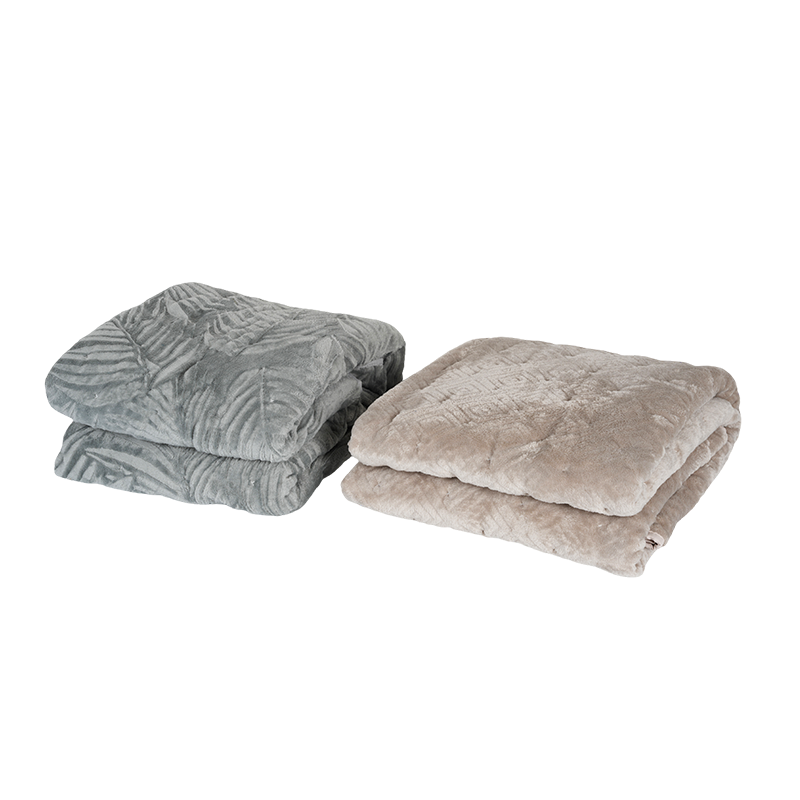
Durable Fluffy-and-warm Quilt
Crafted with meticulous attention to detail, our Durable Fluffy-and-Warm Quit redefines cozy comfort for any season. Whether you’re seeking a soft r...
View More -
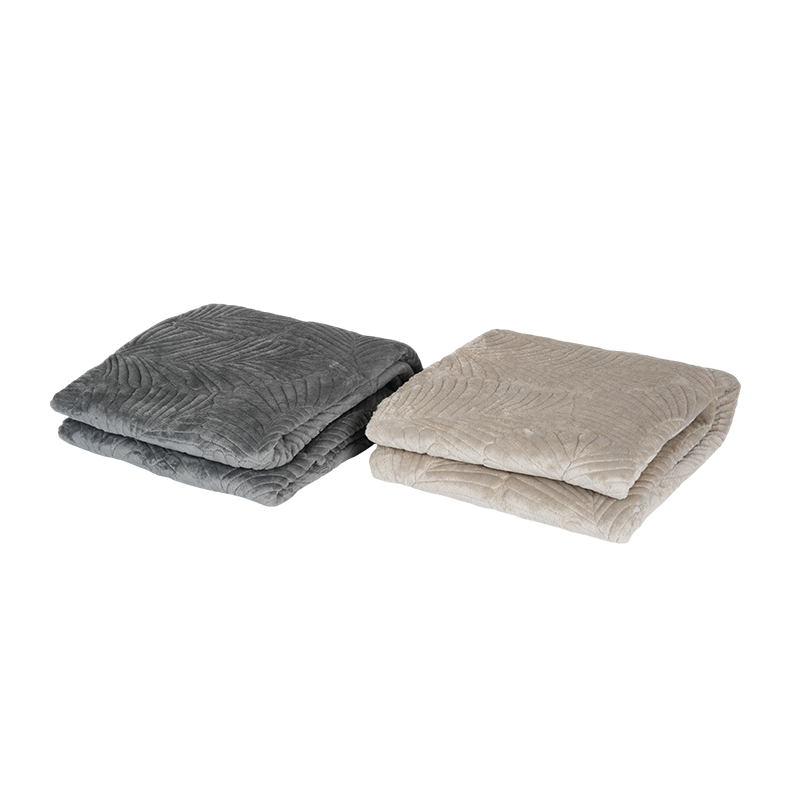
Comfortable Cottony-soft Quilt
Crafted with a focus on comfort and style, our Comfortable Cottony-soft Quilt redefines cozy relaxation for any setting. Whether you’re seeking a to...
View More -
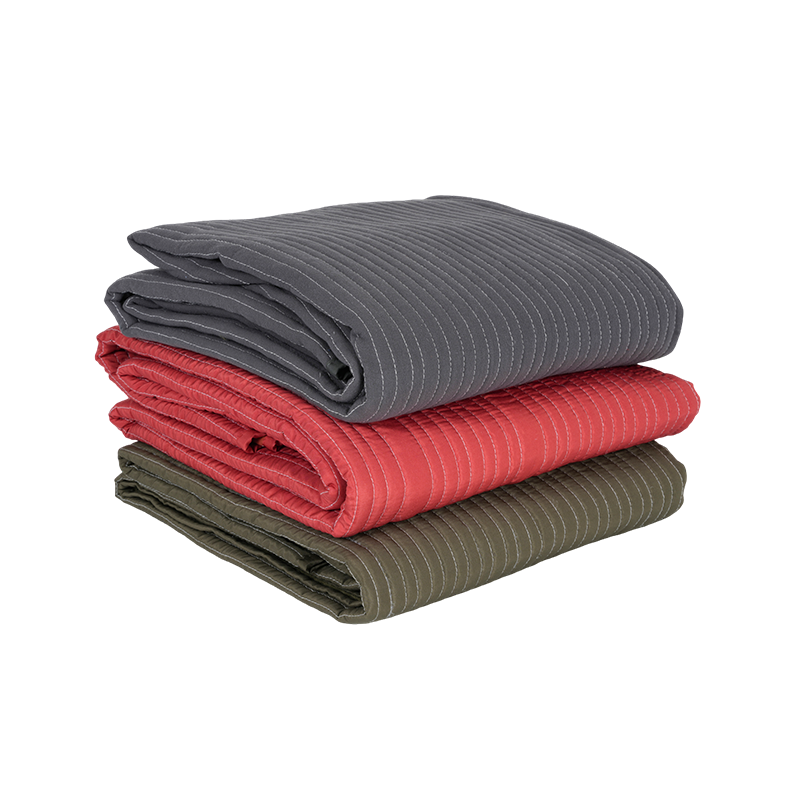
Breathable Colorfully-vivid Quilt
Crafted to elevate your relaxation experience, the Breathable Colorfully-vivid Quilt combines innovative textile technology with a vibrant palette, in...
View More -
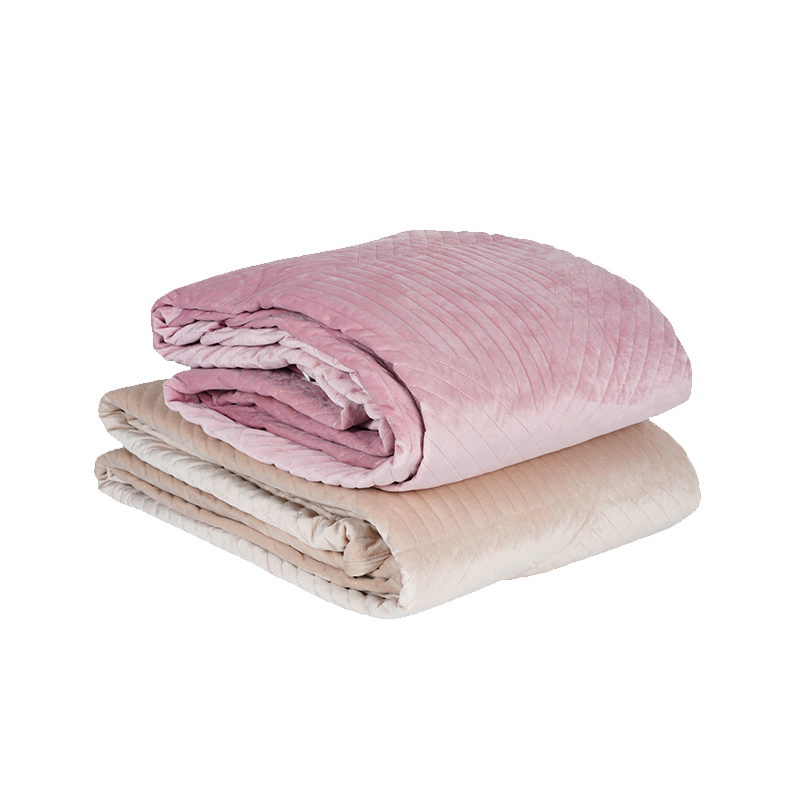
Fluffy Striped-distinct Quilt
Crafted to elevate your relaxation sanctuary, the Fluffy Striped-distinct Quilt redefines cozy sophistication with its tactile allure and timeless des...
View More -
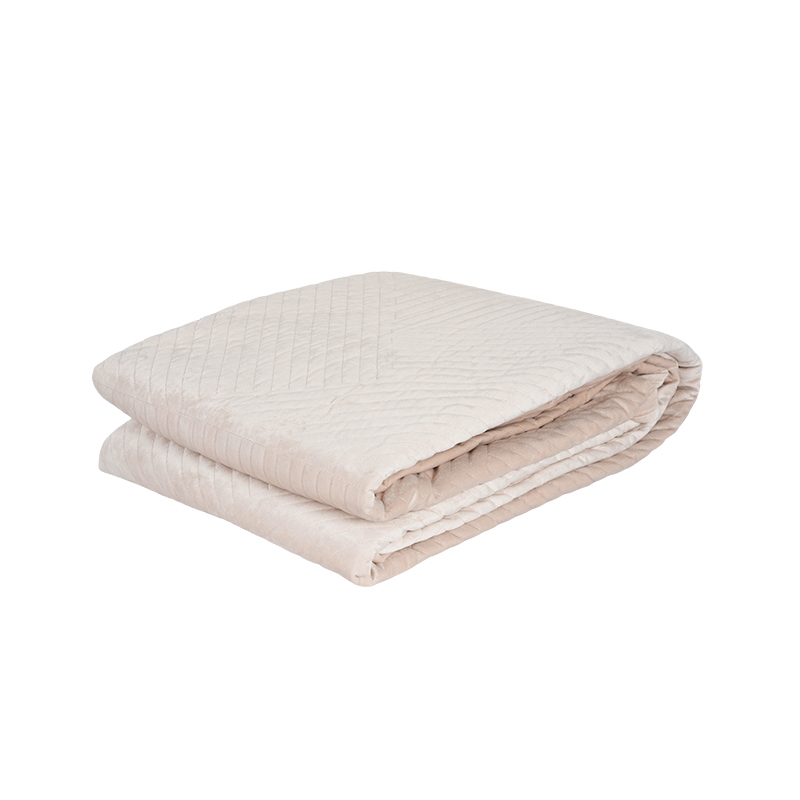
Rustic Warmly-pleasant Quilt
Crafted to embrace the essence of cozy simplicity, our Rustic Warmly-pleasant Quilt is a timeless addition to any home. This quilt combines the rustic...
View More -
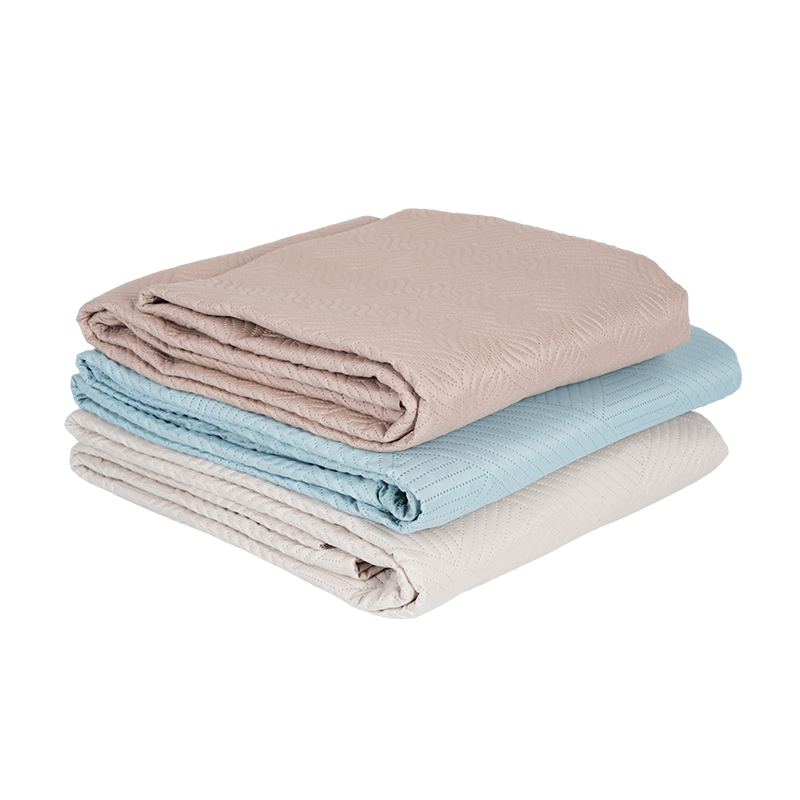
Plain Silky-smooth Quilt
Crafted with meticulous attention to detail, our Plain Silky-smooth Quilt redefines cozy living through its seamless blend of simplicity and sophistic...
View More -
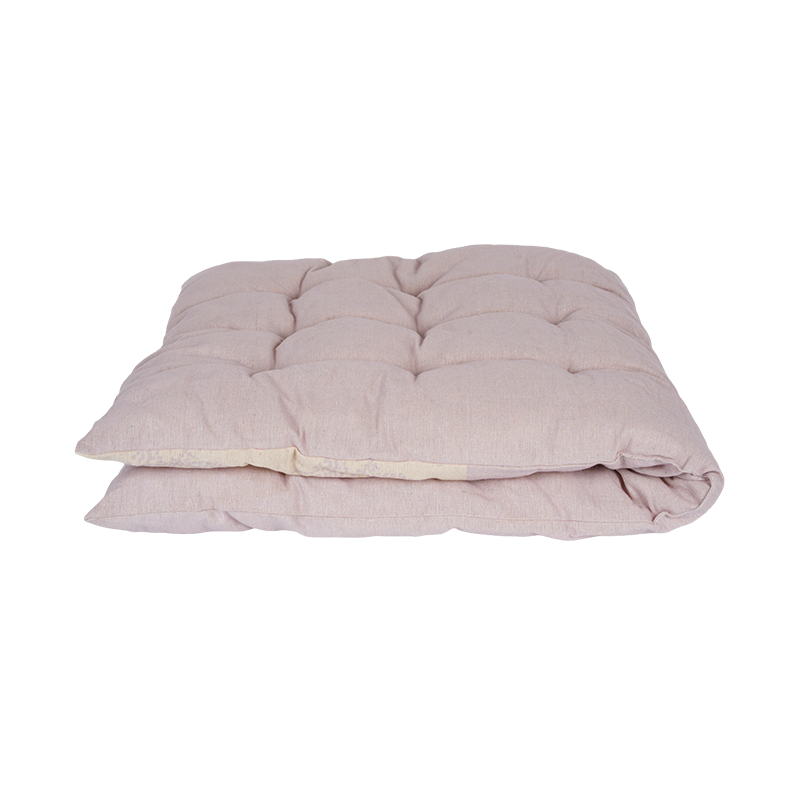
Thick Cozily-soft Quilt
Crafted to elevate your downtime, the Thick Cozily-soft Quilt is a sanctuary of texture and tranquility. This luxurious piece combines tactile indulge...
View More -
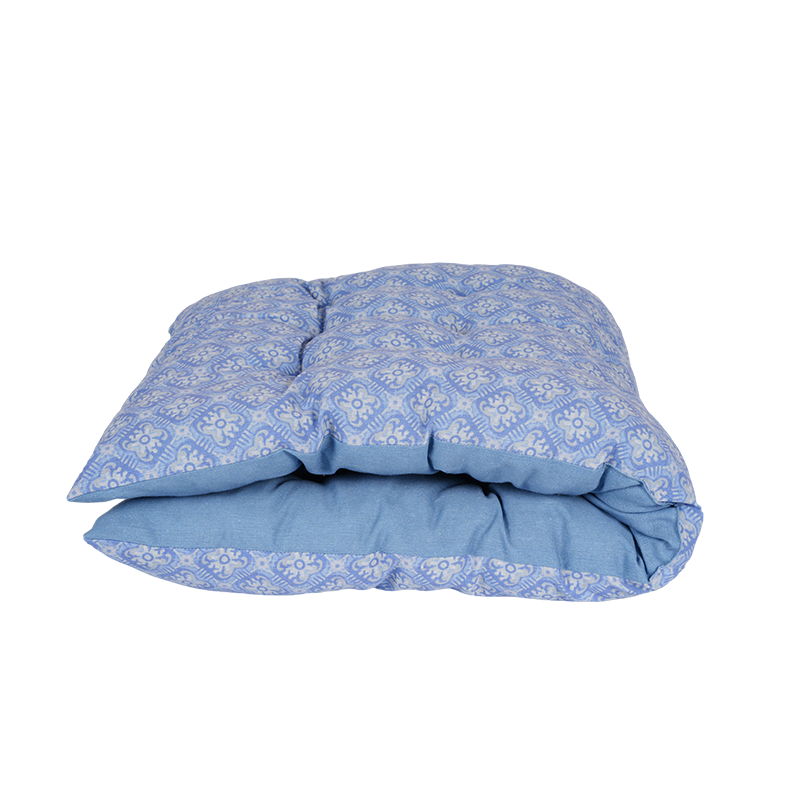
Printed Patterned-intricate Quilt
Crafted with meticulous attention to detail, our Printed Patterned Intricate Quilt combines timeless elegance with modern comfort, making it a good ad...
View More

Copyright © Pujiang County Dongxing Home Textile Crafts Co., Ltd. All Rights Reserved.

Information
-

Phone: +86 189-6797-5628
-

E-mail: [email protected]
-
 Address: No. 388, Jinlei Avenue, Pujiang County, Jinhua City, Zhejiang Province, China
Links
Contact Us
