

 English
 English
 Español
- Type:
- Industry News
- Date
- 2026-Apr-10
Industry News
Home / News / Industry News / Why Are Modern Buyers Prioritizing Versatile Home Textiles More Than Ever?
As global lifestyles continue to shift toward comfort-driven and flexible living, the home textile industry is entering a new phase of transformation. As a trusted Quilt Cover Factory, we are seeing increasing demand from international buyers who want more than just basic functionality. Today’s consumers expect textile products that adapt to different environments, reflect personal style, and align with evolving sustainability values. This shift is influencing not only product design but also how manufacturers approach innovation and production.
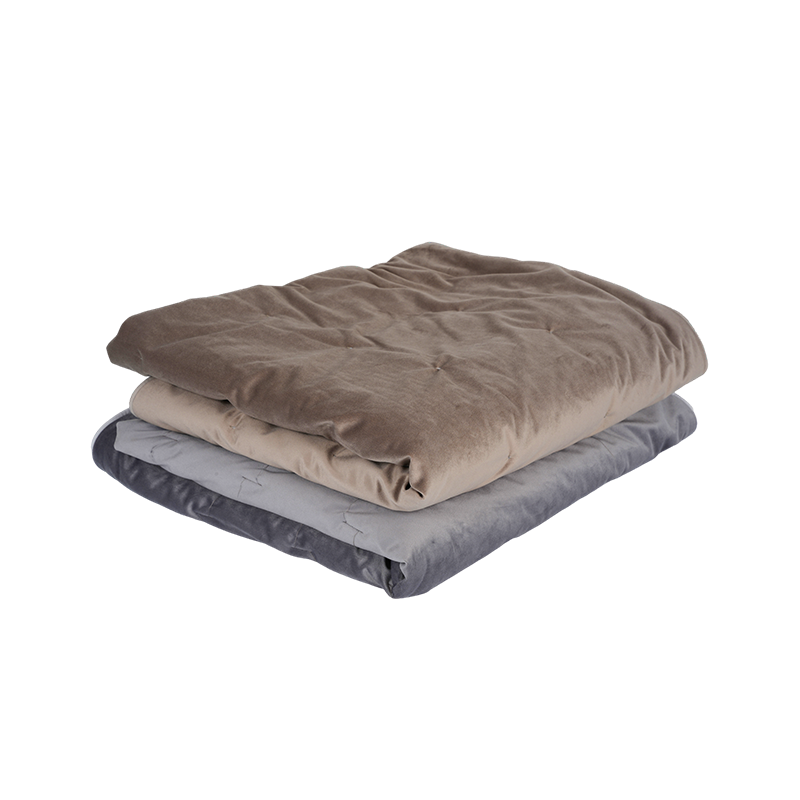
Remote work, hybrid living, and increased time spent at home have reshaped how people interact with their living spaces. Bedrooms are no longer just for rest—they double as relaxation zones, reading corners, and even workspaces.
This transformation has elevated the importance of high-quality quilt covers that offer both comfort and visual appeal. Soft textures, breathable fabrics, and calming colors are now essential elements rather than optional features. Consumers are drawn to products that help create a peaceful and adaptable home environment.
Across global markets, there is a noticeable shift toward nature-inspired design. Earth tones, subtle patterns, and organic textures are becoming dominant in both bedding and outdoor décor.
Minimalist aesthetics are also gaining traction, especially among younger consumers who prefer clean, uncluttered spaces. This trend encourages manufacturers to focus on timeless designs that remain relevant beyond seasonal changes, helping buyers reduce the need for frequent replacements.
Comfort is no longer a secondary consideration—it is often the primary reason for purchase. For quilt covers, this means:
Consumers are increasingly aware of how textiles impact their daily well-being. As a result, they are more selective and willing to invest in products that deliver long-term comfort.
Outdoor spaces are becoming an essential part of modern homes. Whether it’s a small balcony or a spacious garden, people are investing in making these areas more inviting and functional.
This has led to a growing demand for outdoor seating solutions that combine durability with style. Weather-resistant materials, fade-resistant fabrics, and ergonomic designs are now key selling points. Buyers are looking for products that can maintain performance while enhancing the visual appeal of outdoor settings.
Online platforms are accelerating the spread of design ideas and consumer preferences. Short videos, product reviews, and influencer content are helping buyers make faster and more informed decisions.
For manufacturers, this means staying closely connected to digital trends. Monitoring popular colors, patterns, and use cases allows for quicker product development cycles and better alignment with market demand.
One of the biggest challenges in today’s market is meeting diverse customer requirements. Different regions have varying preferences in terms of size, material, and design.
To address this, manufacturers must adopt flexible production systems that support customization without compromising efficiency. This includes:
Such capabilities not only improve customer satisfaction but also strengthen long-term partnerships.
Looking ahead, the home textile industry will continue to move toward products that seamlessly integrate style, function, and sustainability. Consumers will increasingly seek items that serve multiple purposes while maintaining a cohesive design language across indoor and outdoor spaces.
For businesses, this represents an opportunity to innovate and differentiate through thoughtful design and reliable manufacturing. By focusing on evolving consumer needs and maintaining high production standards, manufacturers can stay competitive in a rapidly changing market—especially in segments like Custom Outdoor Seat Cushions, where both performance and personalization play a critical role in purchasing decisions.
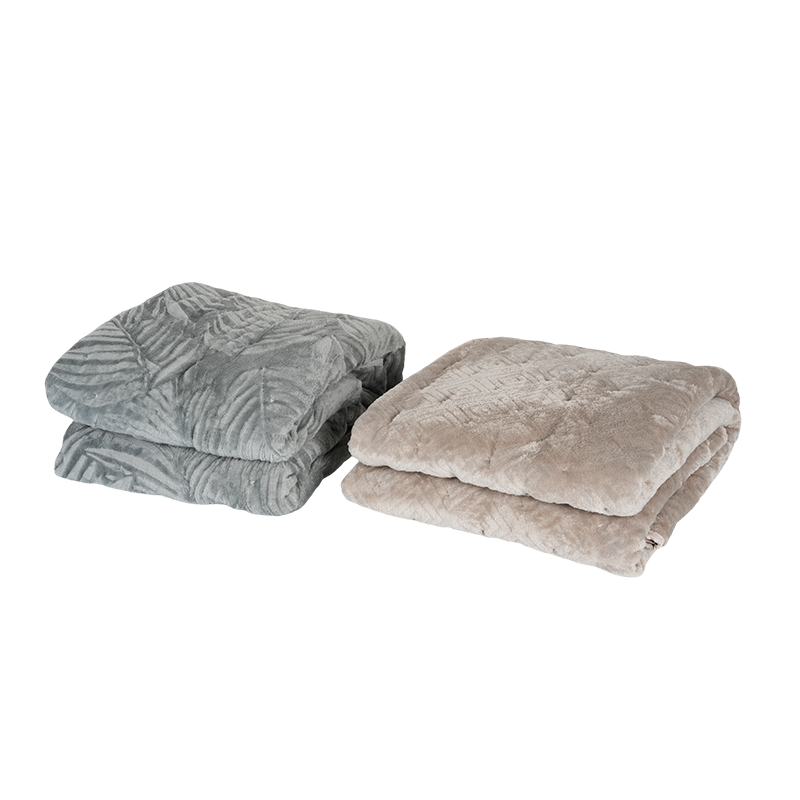
Crafted with meticulous attention to detail, our Durable Fluffy-and-Warm Quit redefines cozy comfort for any season. Whether you’re seeking a soft r...
View More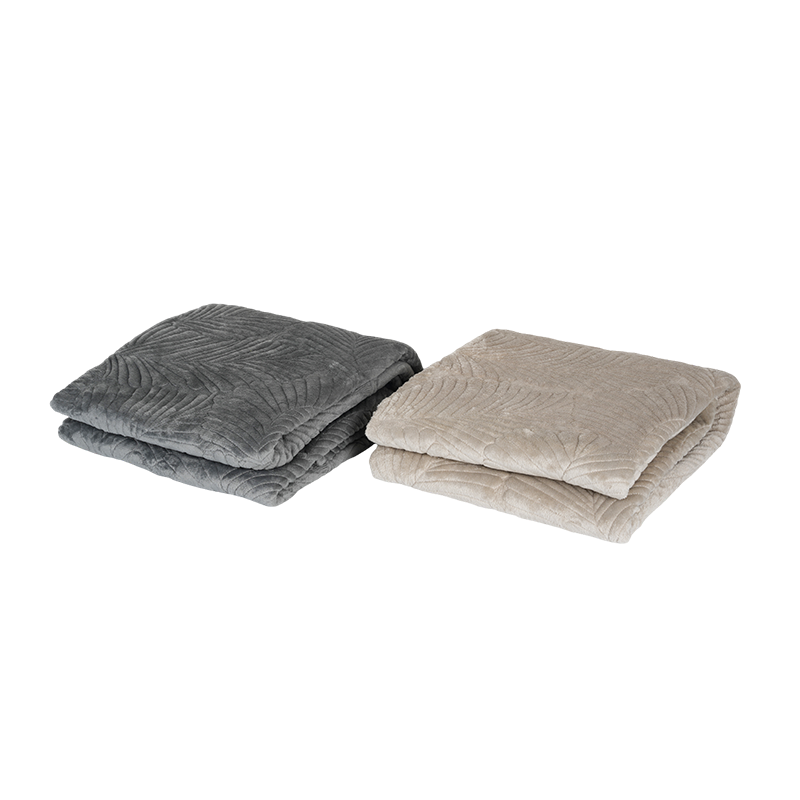
Crafted with a focus on comfort and style, our Comfortable Cottony-soft Quilt redefines cozy relaxation for any setting. Whether you’re seeking a to...
View More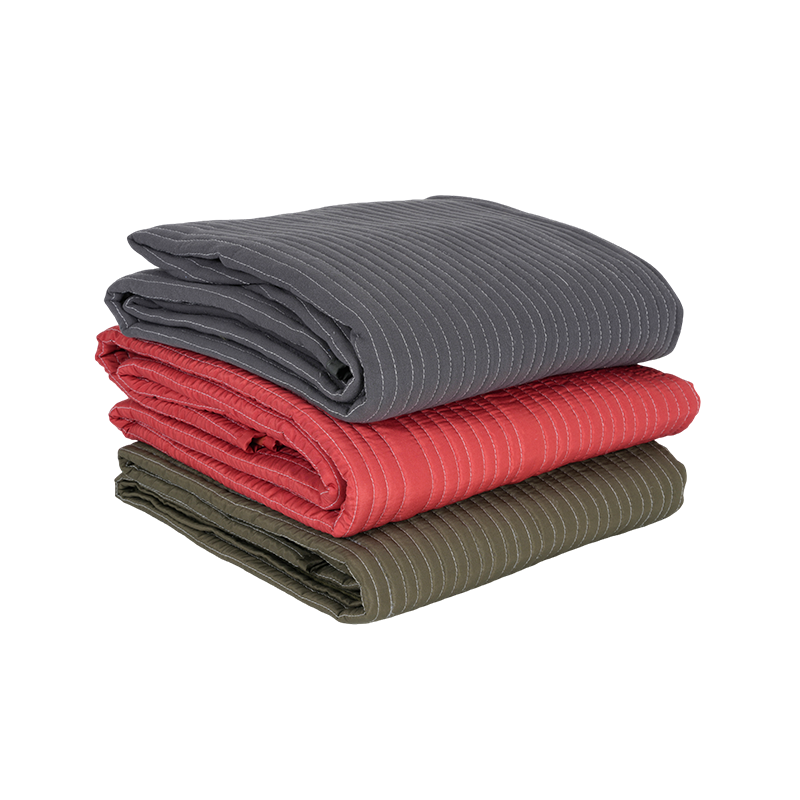
Crafted to elevate your relaxation experience, the Breathable Colorfully-vivid Quilt combines innovative textile technology with a vibrant palette, in...
View More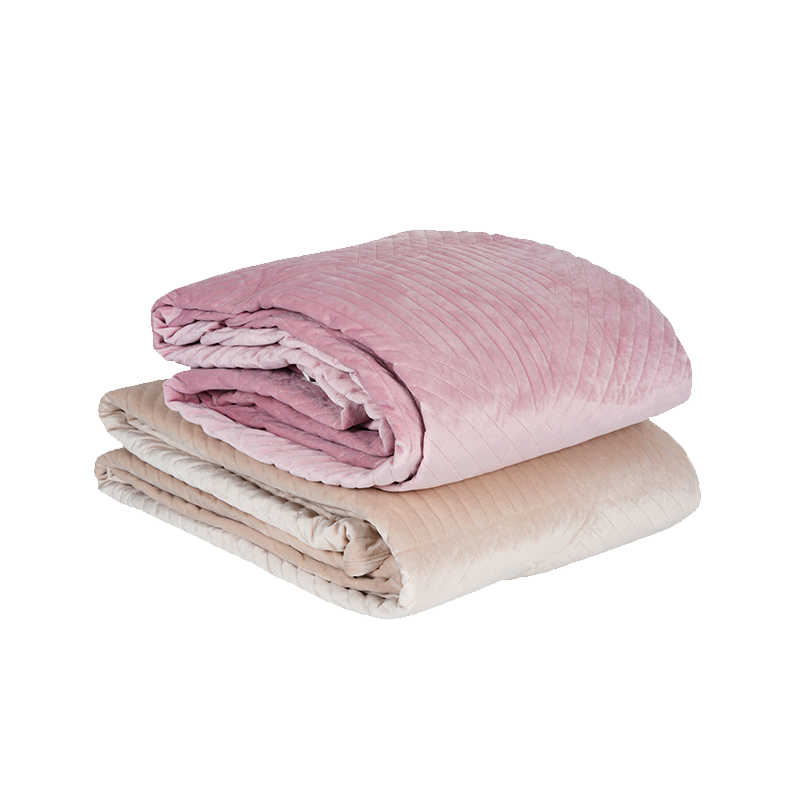
Crafted to elevate your relaxation sanctuary, the Fluffy Striped-distinct Quilt redefines cozy sophistication with its tactile allure and timeless des...
View More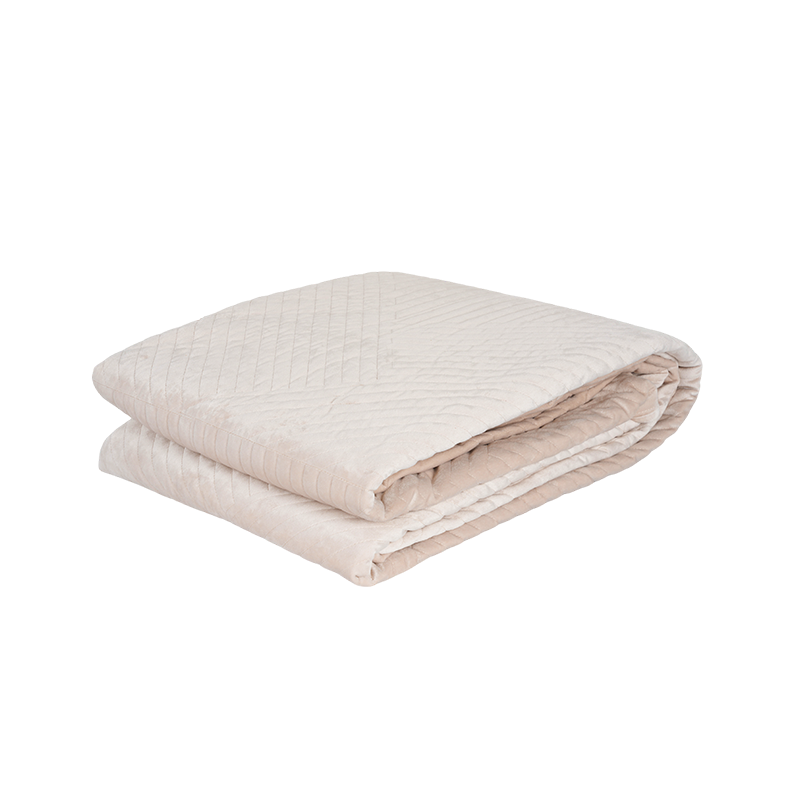
Crafted to embrace the essence of cozy simplicity, our Rustic Warmly-pleasant Quilt is a timeless addition to any home. This quilt combines the rustic...
View More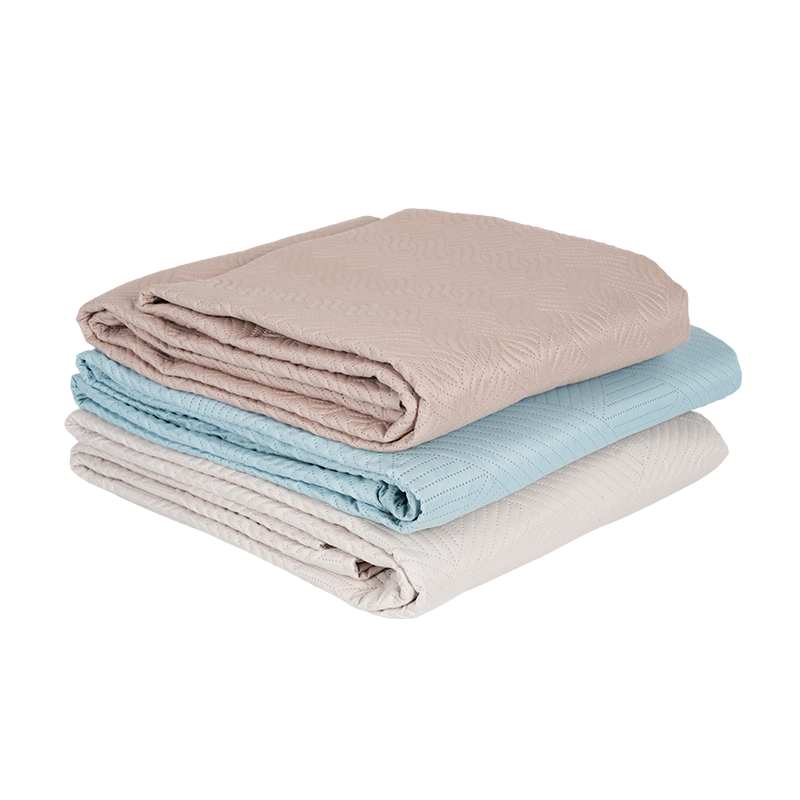
Crafted with meticulous attention to detail, our Plain Silky-smooth Quilt redefines cozy living through its seamless blend of simplicity and sophistic...
View More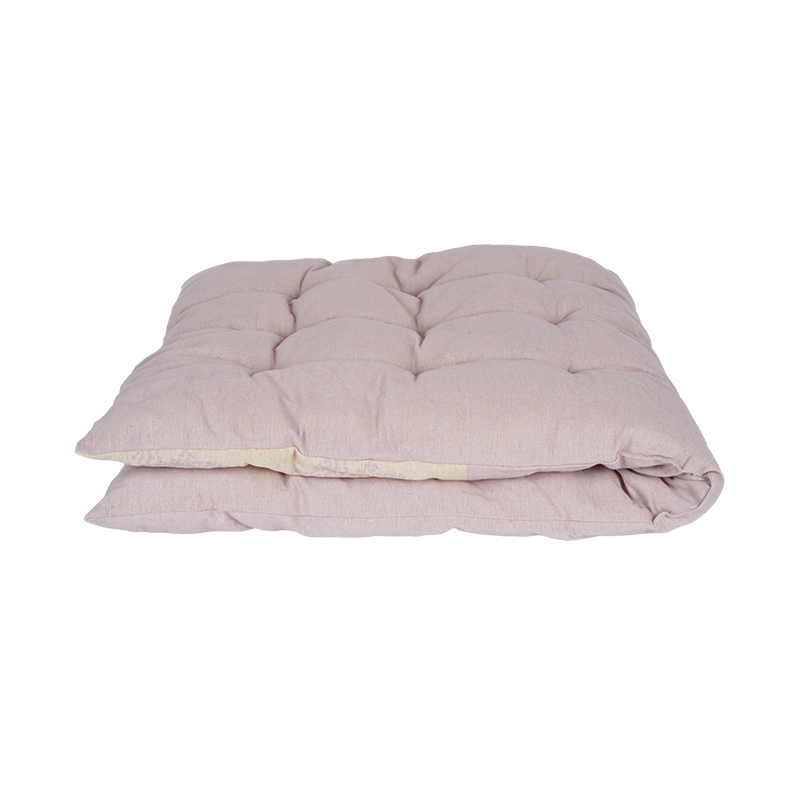
Crafted to elevate your downtime, the Thick Cozily-soft Quilt is a sanctuary of texture and tranquility. This luxurious piece combines tactile indulge...
View More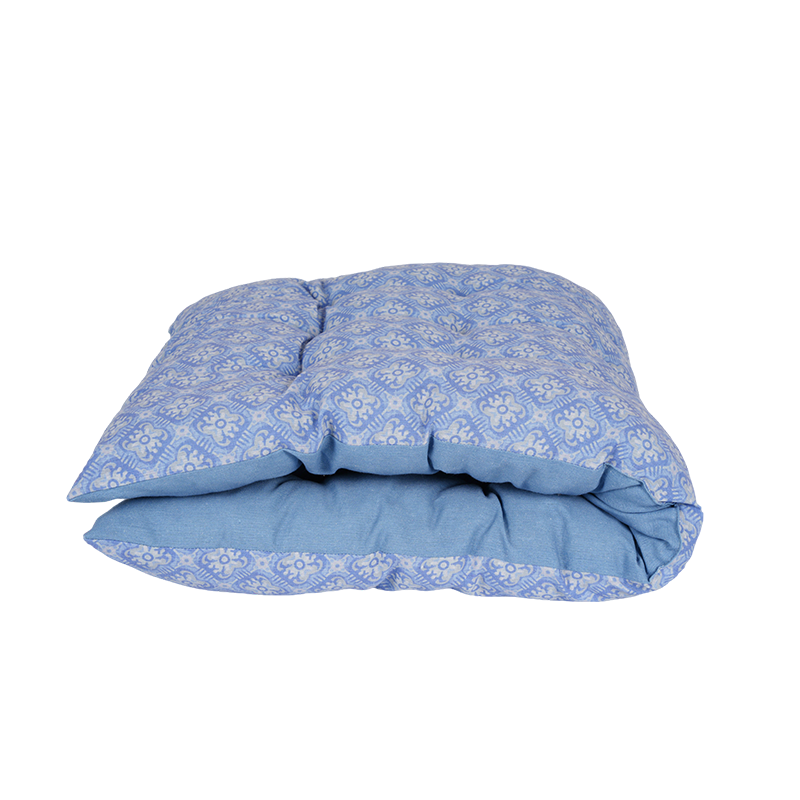
Crafted with meticulous attention to detail, our Printed Patterned Intricate Quilt combines timeless elegance with modern comfort, making it a good ad...
View More
Copyright © Pujiang County Dongxing Home Textile Crafts Co., Ltd. All Rights Reserved.


Phone: +86 189-6797-5628

E-mail: [email protected]

