

 English
 English
 Español
- Type:
- Industry News
- Date
- 2026-Jun-05
Industry News
Home / News / Industry News / Why Are Buyers Rethinking Outdoor Seating Comfort Instead of Just Buying New Furniture?
Across global furniture sourcing platforms and B2B procurement channels, a noticeable shift is happening in how buyers approach outdoor and indoor seating projects. Instead of replacing full furniture sets, more importers, hospitality buyers, and project contractors are now focusing on upgrading cushion systems to improve comfort, durability, and long-term usability.
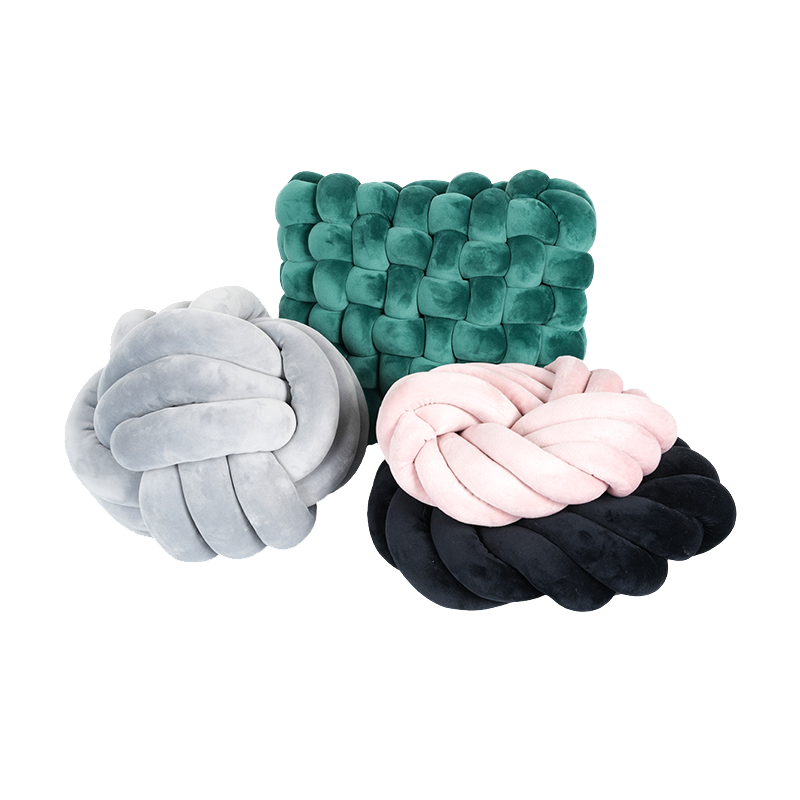
Recent search trends from overseas buyers show growing interest in topics such as “waterproof outdoor cushion replacement,” “UV resistant patio seat padding,” and “custom size sofa cushion supplier for commercial projects.” These searches reflect a clear priority: improving seating comfort and product lifespan without increasing full furniture replacement costs.
In outdoor environments such as hotel terraces, resort lounges, and restaurant patios, cushion performance is now evaluated before design aesthetics. Buyers are more concerned about how materials behave under real environmental exposure.
Common durability concerns include:
To address these issues, sourcing teams increasingly look for engineered cushion solutions rather than standard decorative products.
This is where Custom Outdoor Seat Cushions are becoming a preferred option for commercial projects requiring both comfort and durability.
Outdoor seating products are no longer judged only by appearance. They must perform consistently under changing weather conditions across different regions.
Buyers typically request:
In hospitality and real estate projects, inconsistent cushion performance often leads to frequent replacement cycles, increasing operational costs. As a result, procurement teams are now prioritizing weather-adaptive materials during supplier evaluation.
One of the most common sourcing challenges in global projects is size inconsistency between furniture frames and cushion products. Standard cushion dimensions often do not fit custom-built seating structures used in hotels, resorts, or office lounges.
Typical project pain points include:
To solve this, buyers increasingly prefer made-to-order production rather than off-the-shelf products, especially for large-scale commercial furnishing projects.
Comfort is no longer treated as a subjective feature—it is now a measurable specification in many procurement documents.
Commercial buyers often evaluate:
In hospitality environments, cushion comfort directly impacts customer experience ratings, making material engineering an important part of product selection.
Many modern projects now combine indoor lounges and outdoor seating areas under one design concept. This creates demand for cushion suppliers who can maintain visual and material consistency across different environments.
Common buyer requirements include:
Operational buyers are increasingly focused on long-term maintenance efficiency rather than just initial purchase cost. Cushions that are difficult to clean or maintain can significantly increase lifecycle expenses.
Key considerations include:
This approach allows businesses to extend product lifecycle while maintaining a consistent visual appearance in high-traffic environments.
In global sourcing decisions, buyers are paying closer attention to manufacturing consistency, customization capability, and material sourcing transparency.
A reliable Sofa Cushions Manufacturer is expected to provide:
As competition increases in the global furniture supply chain, manufacturers that can balance customization, durability, and production stability are becoming preferred long-term partners for commercial buyers.
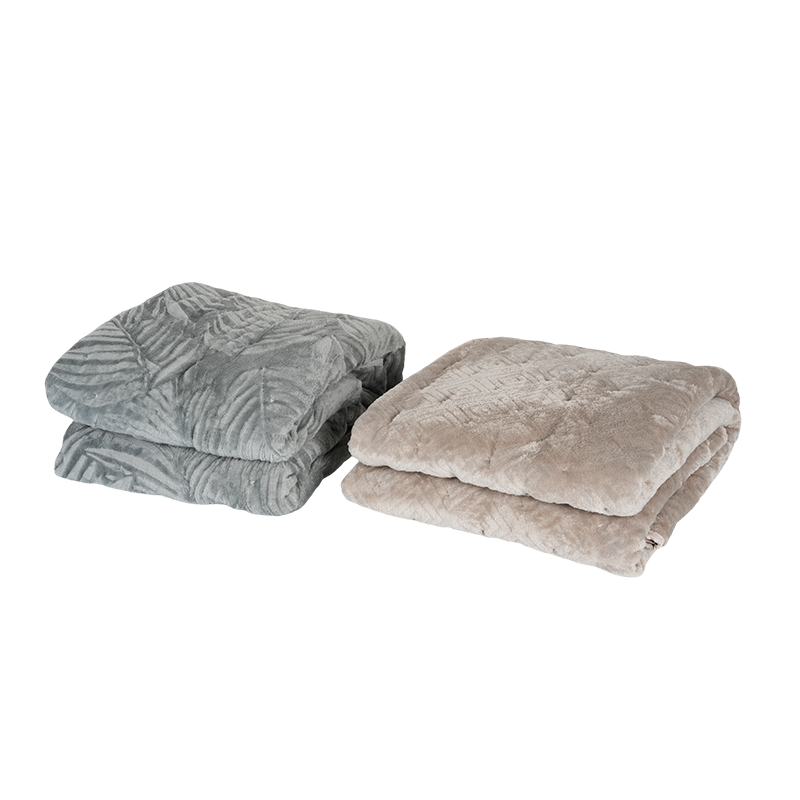
Crafted with meticulous attention to detail, our Durable Fluffy-and-Warm Quit redefines cozy comfort for any season. Whether you’re seeking a soft r...
View More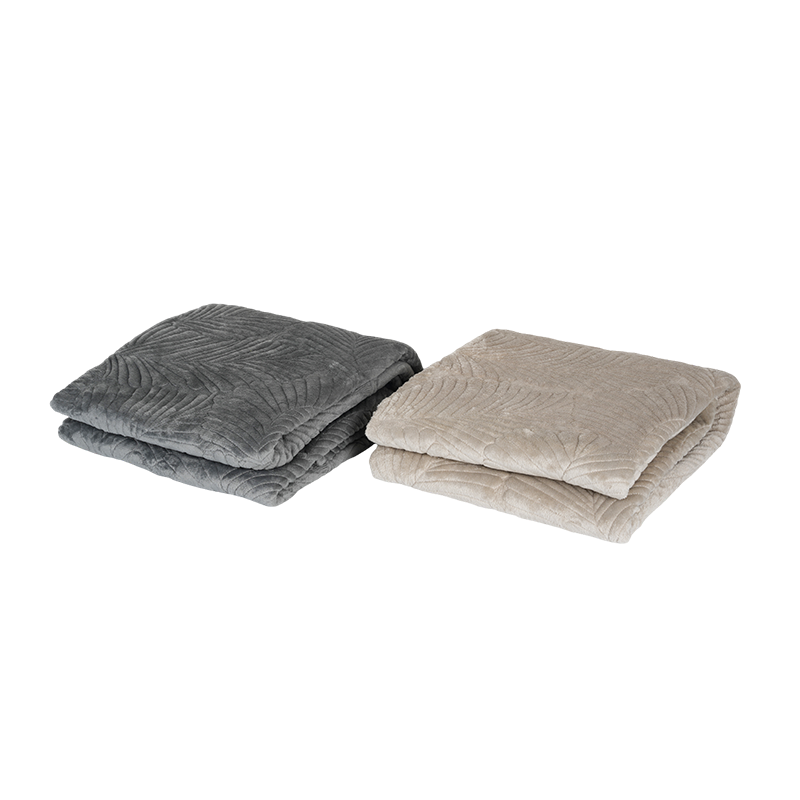
Crafted with a focus on comfort and style, our Comfortable Cottony-soft Quilt redefines cozy relaxation for any setting. Whether you’re seeking a to...
View More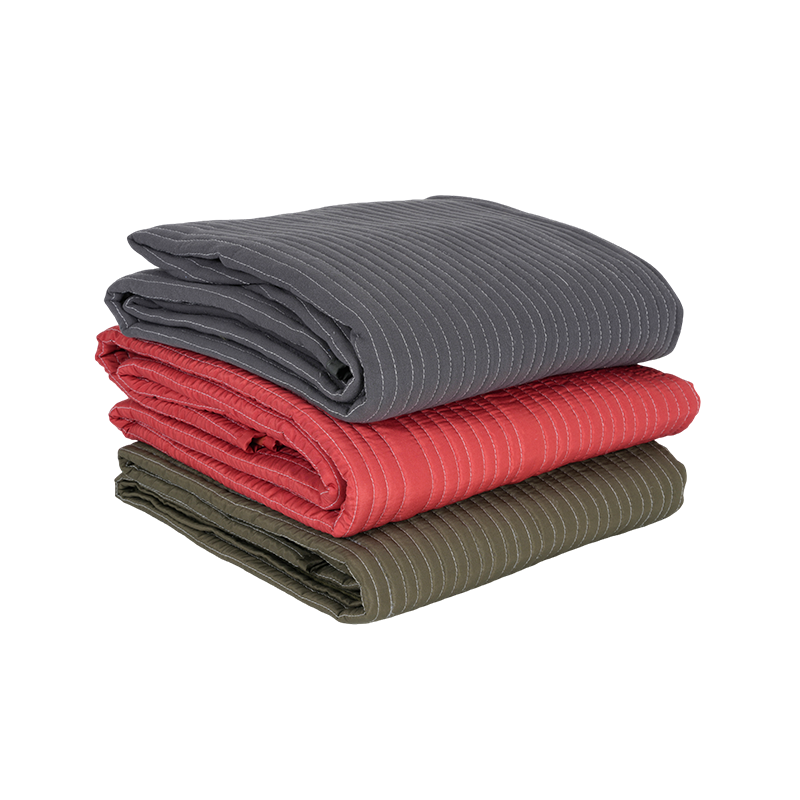
Crafted to elevate your relaxation experience, the Breathable Colorfully-vivid Quilt combines innovative textile technology with a vibrant palette, in...
View More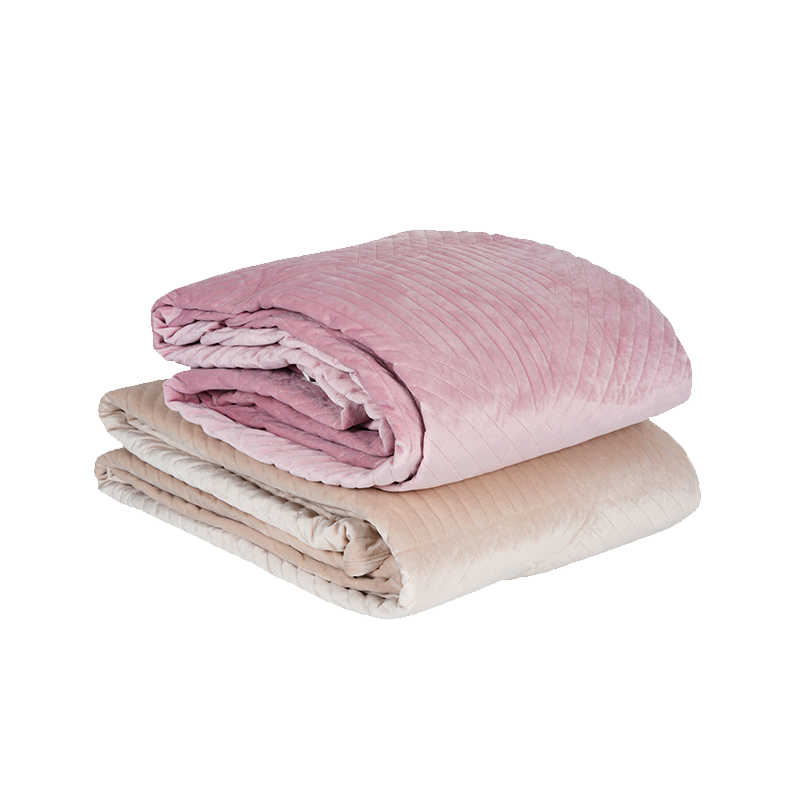
Crafted to elevate your relaxation sanctuary, the Fluffy Striped-distinct Quilt redefines cozy sophistication with its tactile allure and timeless des...
View More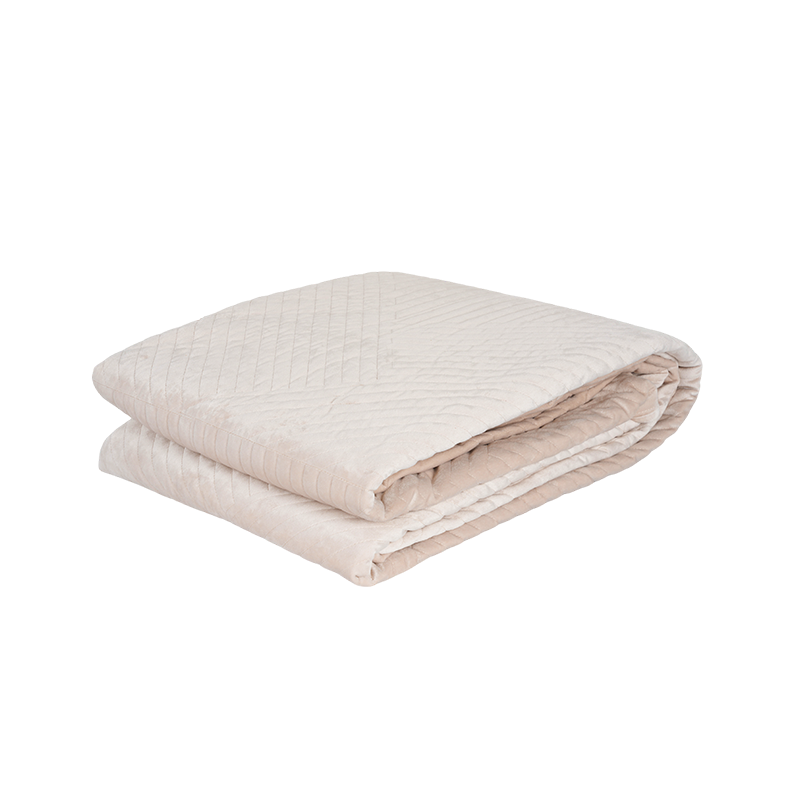
Crafted to embrace the essence of cozy simplicity, our Rustic Warmly-pleasant Quilt is a timeless addition to any home. This quilt combines the rustic...
View More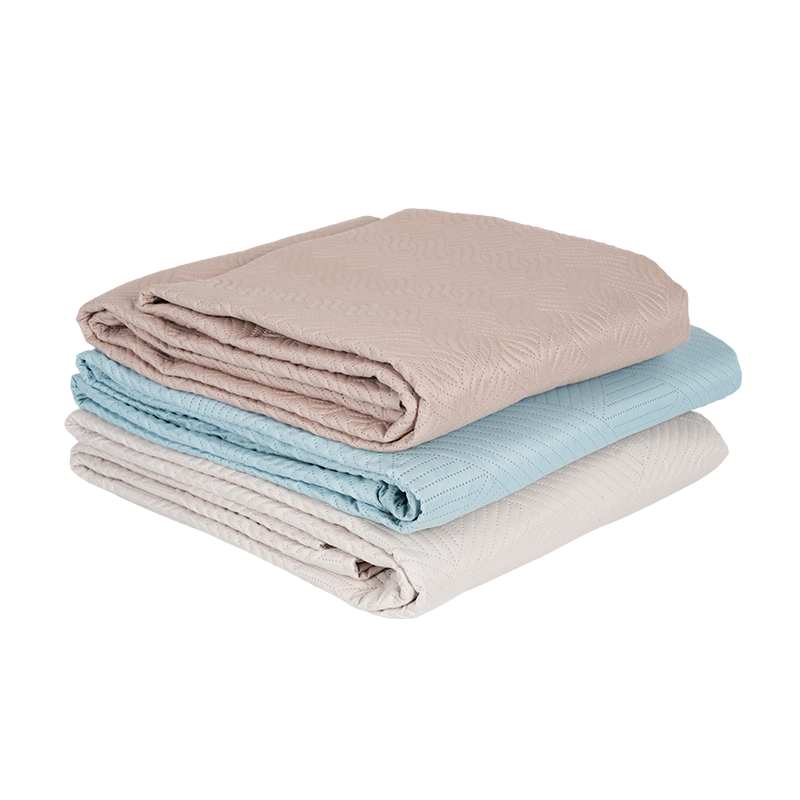
Crafted with meticulous attention to detail, our Plain Silky-smooth Quilt redefines cozy living through its seamless blend of simplicity and sophistic...
View More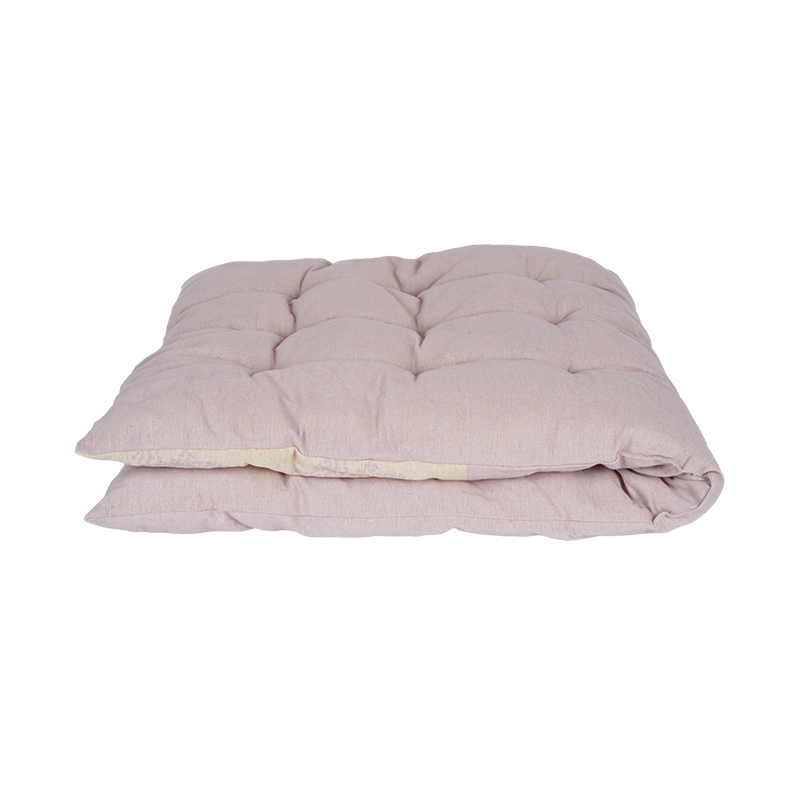
Crafted to elevate your downtime, the Thick Cozily-soft Quilt is a sanctuary of texture and tranquility. This luxurious piece combines tactile indulge...
View More
Crafted with meticulous attention to detail, our Printed Patterned Intricate Quilt combines timeless elegance with modern comfort, making it a good ad...
View More
Copyright © Pujiang County Dongxing Home Textile Crafts Co., Ltd. All Rights Reserved.


Phone: +86 189-6797-5628

E-mail: [email protected]

