

 English
 English
 Español
- Type:
- Industry News
- Date
- 2026-May-01
Industry News
Home / News / Industry News / Are Versatility and Durability Redefining Home & Outdoor Textile Sourcing in 2026?
As global buyers continue to prioritize flexible living solutions and multi-scenario products, the role of a reliable Quilt Cover Factory is evolving beyond traditional bedding supply. Today’s procurement teams—from hospitality groups to outdoor furniture brands—are looking for textile partners who can deliver both indoor comfort and outdoor resilience. This shift is clearly reflected in rising demand for customizable, weather-resistant, and design-forward textile solutions that bridge indoor and outdoor lifestyles.
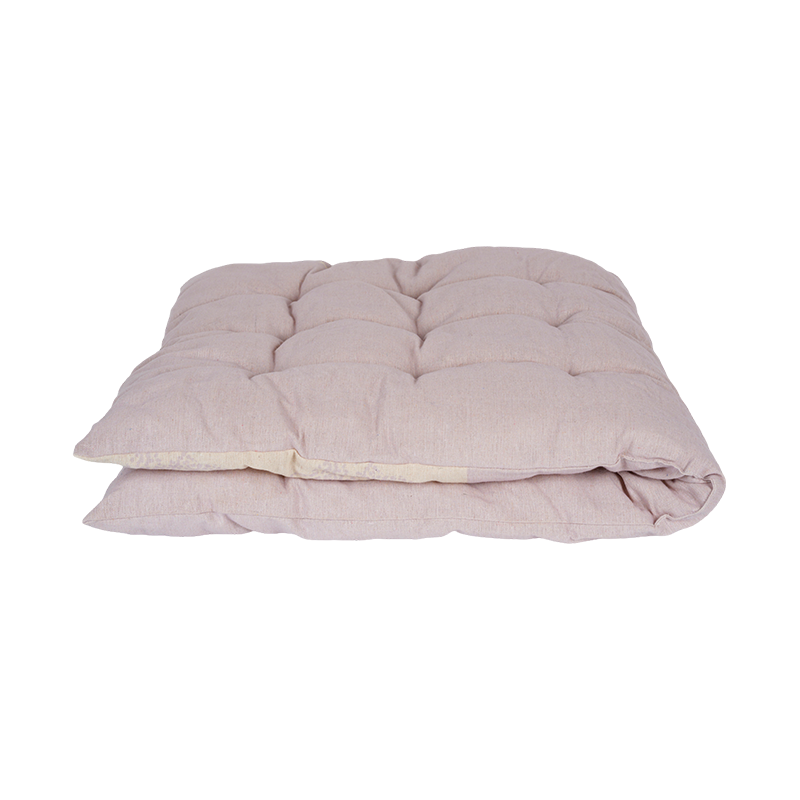
Quilt covers are no longer limited to protecting duvets—they have become an essential element of interior styling and brand differentiation. As a manufacturer, we focus on developing quilt covers that balance softness, durability, and visual appeal.
Our collections typically include cotton, microfiber, and blended fabrics, each selected based on end-use requirements. For example, long-staple cotton options are widely preferred in hospitality projects due to their breathability and skin-friendly texture, while microfiber variants offer wrinkle resistance and easier maintenance for high-turnover environments.
Customization is also a growing priority. Buyers increasingly request tailored sizes, reactive printing patterns, and brand-specific packaging to align with retail or project-based needs.
The application scope of quilt covers continues to expand. In hotels and serviced apartments, consistent fabric quality and color fastness are essential for maintaining brand standards. Meanwhile, in residential markets, consumers are more focused on seasonal adaptability and aesthetic coordination.
We also see demand from short-term rental operators who prioritize easy-care materials that withstand frequent washing cycles without compromising appearance. This shift is influencing how quilt covers are designed, tested, and supplied.
Outdoor living has become a central lifestyle trend across North America and Europe. As patios, balconies, and garden spaces turn into functional extensions of indoor areas, the demand for high-performance seat cushions is growing.
Unlike traditional indoor cushions, outdoor variants must resist UV exposure, moisture, and temperature fluctuations. This has led to the adoption of solution-dyed fabrics, quick-dry foam fillings, and anti-mildew treatments.
When sourcing textile products, professional buyers often evaluate key material specifications:
These parameters directly impact product lifespan and user experience, particularly in outdoor environments where exposure conditions are less predictable.
Working directly with a manufacturer offers several practical benefits:
From our production perspective, strict quality checks are implemented at each stage—from raw material sourcing to final inspection—ensuring that every batch meets agreed specifications.
To maximize product performance, proper usage and care are essential. For quilt covers, we recommend following fabric-specific washing instructions and avoiding high-temperature drying for certain materials. For outdoor cushions, storing them in dry conditions during extreme weather can significantly extend service life.
Additionally, removable covers with zipper designs are increasingly favored, as they simplify cleaning and replacement—especially in commercial settings.
As sourcing strategies become more refined, buyers are looking for partners who understand both indoor textile comfort and outdoor durability. This is where Custom Outdoor Seat Cushions play a critical role. By combining tailored sizing, weather-resistant materials, and design flexibility, these products help brands create cohesive living experiences across indoor and outdoor spaces.
For procurement teams seeking long-term value, choosing a manufacturer with proven textile expertise and customization capabilities is no longer optional—it is a strategic decision that directly impacts product competitiveness in today’s global market.
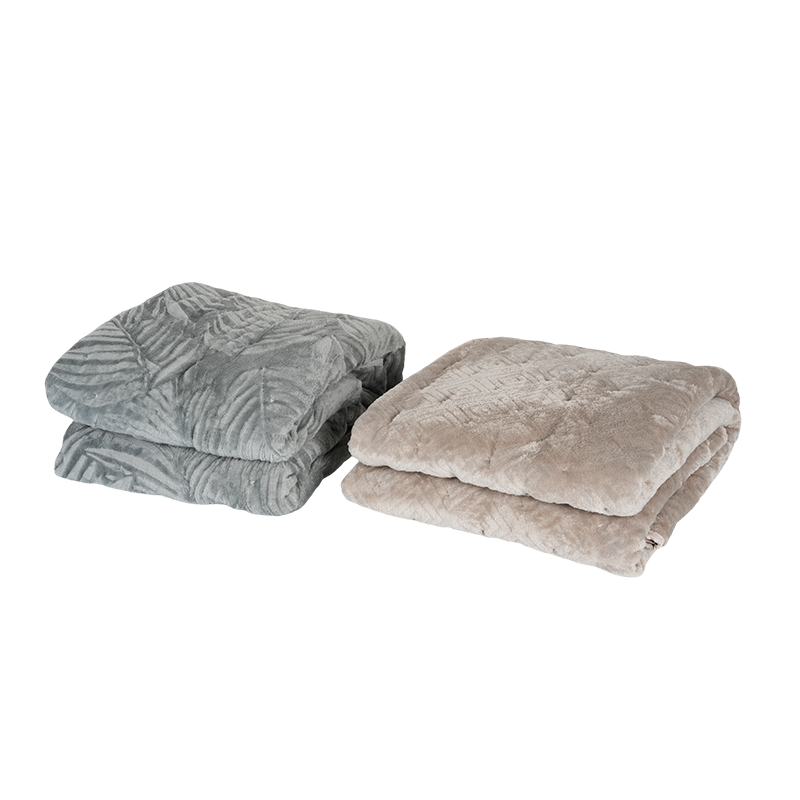
Crafted with meticulous attention to detail, our Durable Fluffy-and-Warm Quit redefines cozy comfort for any season. Whether you’re seeking a soft r...
View More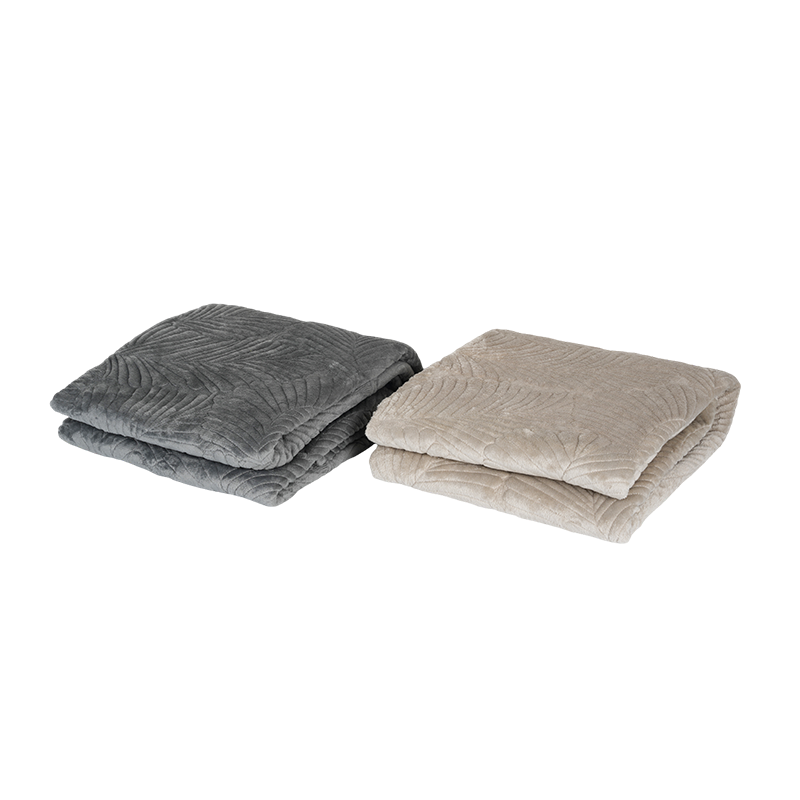
Crafted with a focus on comfort and style, our Comfortable Cottony-soft Quilt redefines cozy relaxation for any setting. Whether you’re seeking a to...
View More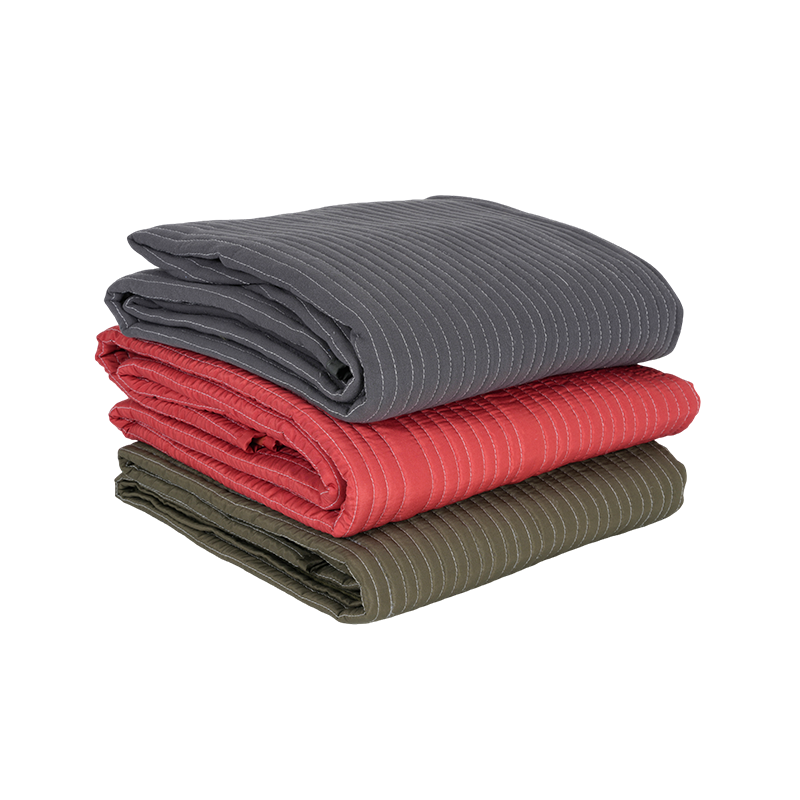
Crafted to elevate your relaxation experience, the Breathable Colorfully-vivid Quilt combines innovative textile technology with a vibrant palette, in...
View More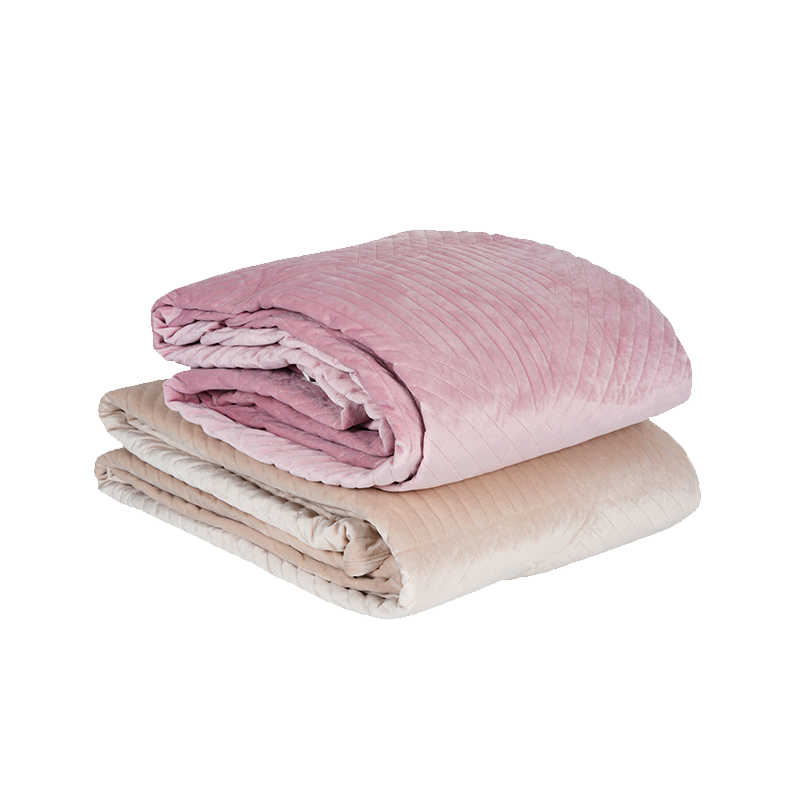
Crafted to elevate your relaxation sanctuary, the Fluffy Striped-distinct Quilt redefines cozy sophistication with its tactile allure and timeless des...
View More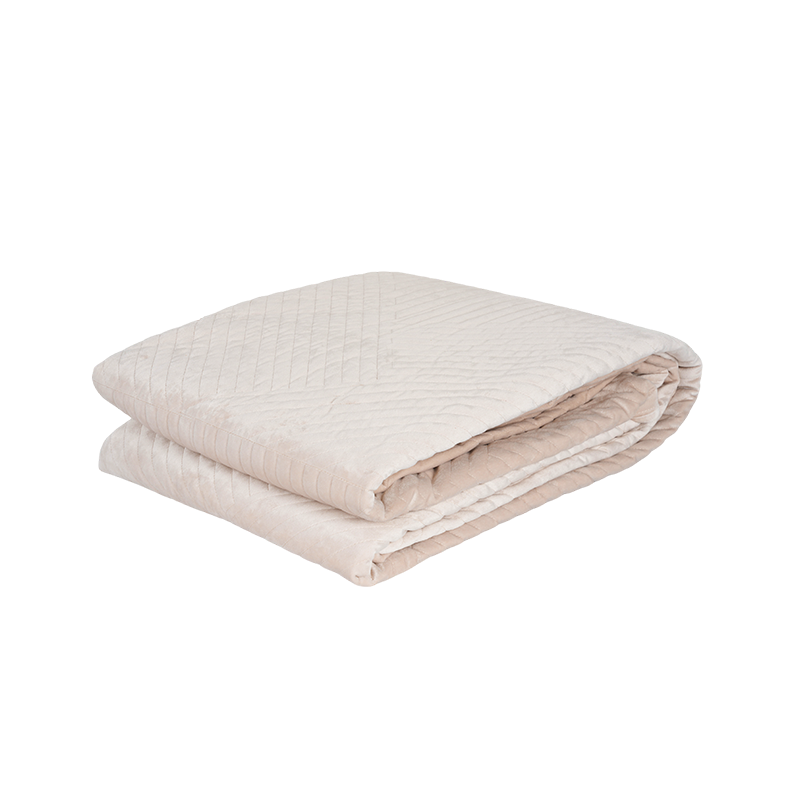
Crafted to embrace the essence of cozy simplicity, our Rustic Warmly-pleasant Quilt is a timeless addition to any home. This quilt combines the rustic...
View More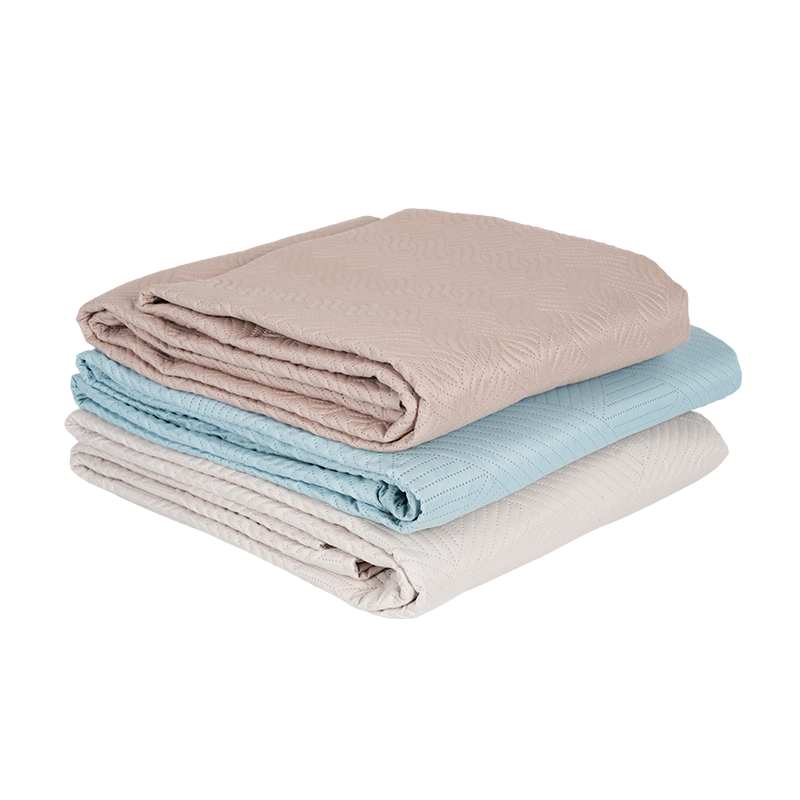
Crafted with meticulous attention to detail, our Plain Silky-smooth Quilt redefines cozy living through its seamless blend of simplicity and sophistic...
View More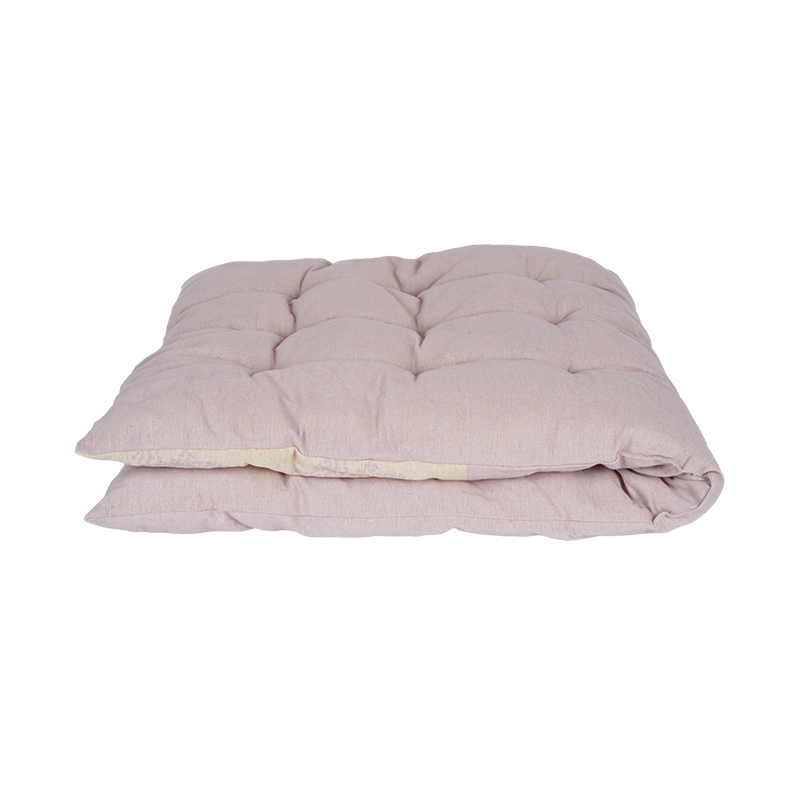
Crafted to elevate your downtime, the Thick Cozily-soft Quilt is a sanctuary of texture and tranquility. This luxurious piece combines tactile indulge...
View More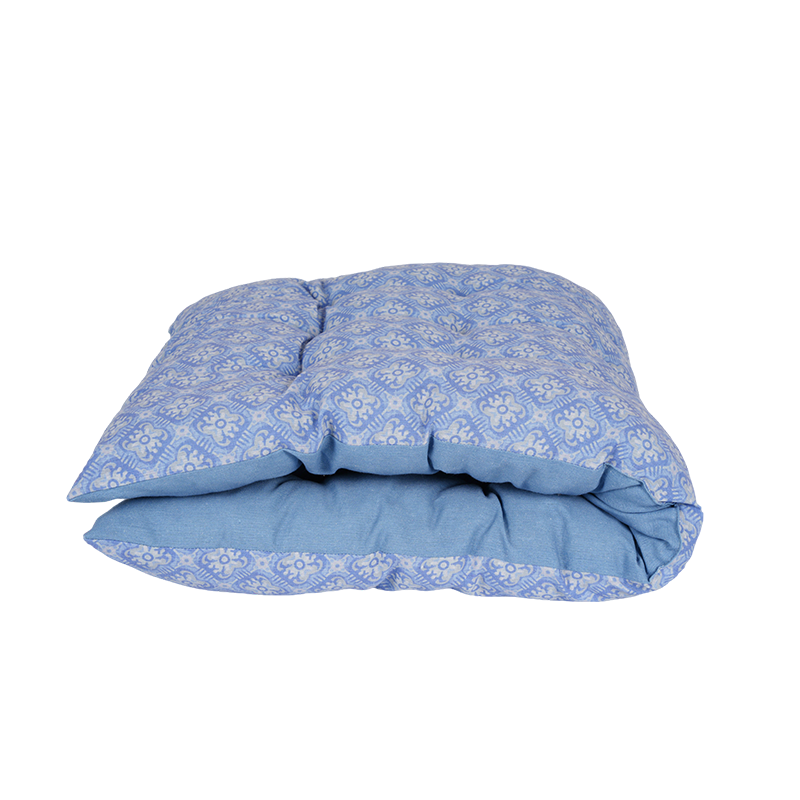
Crafted with meticulous attention to detail, our Printed Patterned Intricate Quilt combines timeless elegance with modern comfort, making it a good ad...
View More
Copyright © Pujiang County Dongxing Home Textile Crafts Co., Ltd. All Rights Reserved.


Phone: +86 189-6797-5628

E-mail: [email protected]

